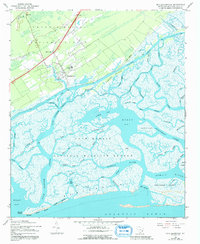
1942 Map of Mc Clellanville
USGS Topo · Published 1992About this map
The coastal village of McClellanville serves as the primary hub of this Lowcountry landscape, situated where Jeremy Creek meets the tidal marshlands. Photogrammetric data from 1942 reveals a community deeply integrated with its maritime surroundings, featuring the Lincoln Sch and nearby rural crossroads like Moores Corner. North of the town, the Francis Marion National Forest dominates the terrestrial landscape, while the southern half of the sheet is defined by the intricate labyrinth of the Cape Romain National Wildlife Refuge. This complex network of waterways, including the Intracoastal Waterway and Five Fathom Creek, illustrates the essential waterborne transport routes of the era. From the barrier sands of Lighthouse Island to the inland Rhems Ch, the map captures a delicate balance between established forest reserves, fishing village life, and the vast Atlantic tidal systems.
Find a feature on this map
62 named features on this map. Tap any name to fly to it.
Don’t see what you’re looking for? This feature index may not catch every label — zoom into the map to look around manually.
Map Details
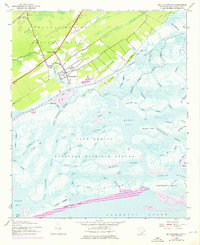
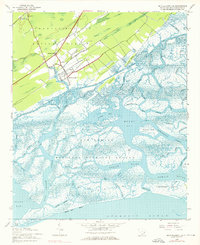
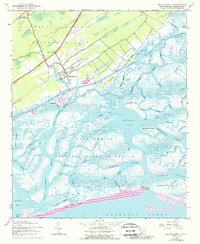
Editions of this 1942 Mc Clellanville Map
5 editions found
Other maps of this area
1919 · Bulls Island
USGS Topo · 1:21,120
1942 · Cape Romain
USGS Topo · 1:24,000
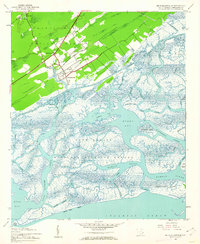
1942 · Mc Clellanville
USGS Topo · 1:24,000
1942 · Honey Hill
USGS Topo · 1:24,000
1943 · Bulls Island
USGS Topo · 1:24,000
1943 · Santee
USGS Topo · 1:24,000
1943 · Awendaw
USGS Topo · 1:24,000
1943 · Minim Island
USGS Topo · 1:24,000
1948 · James Island
USGS Topo · 1:250,000
1949 · Georgetown
USGS Topo · 1:250,000