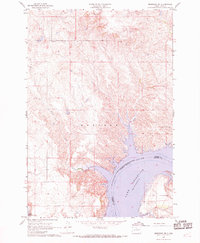
1967 Map of Mobridge NW
USGS Topo · Published 1969About this map
Wakpala and the surrounding river bluffs dominate this late-1960s survey of the South Dakota landscape. The terrain is defined by the expansive Oahe Reservoir, which fills the valley of the Missouri River following the completion of the Oahe Dam downstream. This transition from a river valley to a reservoir is a central theme of the map, illustrating how the rising water levels impacted the Standing Rock Indian Reservation Boundary and the local geography.
Find a feature on this map
8 named features on this map. Tap any name to fly to it.
Don’t see what you’re looking for? This feature index may not catch every label — zoom into the map to look around manually.
Map Details
Editions of this 1967 Mobridge NW Map
This is the sole edition of this map. No revisions or reprints were ever made.
Other maps of this area
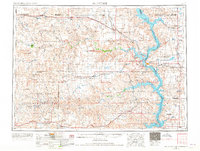
1953 · McIntosh
USGS Topo · 1:250,000
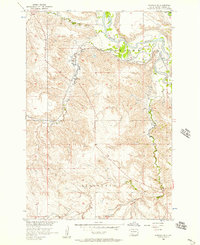
1956 · Wakpala SE
USGS Topo · 1:24,000
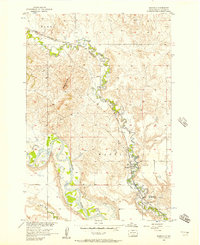
1956 · Wakpala
USGS Topo · 1:24,000
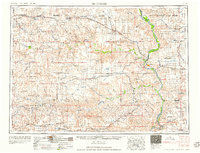
1958 · McIntosh
USGS Topo · 1:250,000
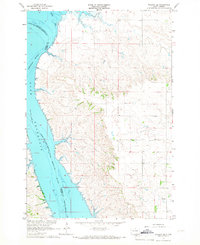
1965 · Pollock SE
USGS Topo · 1:24,000
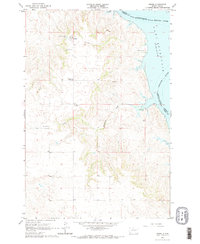
1966 · Kenel
USGS Topo · 1:24,000
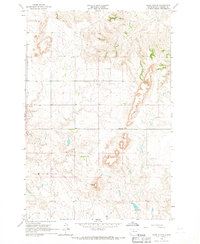
1966 · Kline Buttes
USGS Topo · 1:24,000
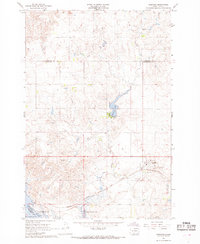
1967 · Glenham
USGS Topo · 1:24,000
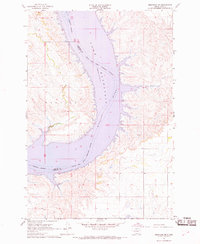
1967 · Mobridge NE
USGS Topo · 1:24,000
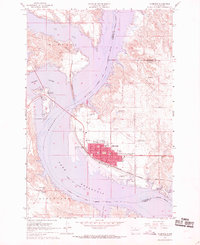
1967 · Mobridge
USGS Topo · 1:24,000