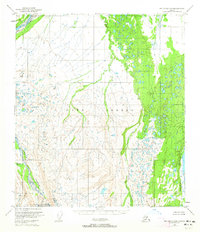
1950 Map of Mount Hayes D-5
USGS Topo · Published 1965About this map
Fort Greely dominates the central landscape of this interior Alaskan territory, established as a military reservation during a period of strategic post-war expansion. The terrain is defined by the massive glacial braided systems of the Delta River to the east and Delta Creek to the west, where wide gravel beds and shifting channels illustrate the dynamic hydrology of the Alaska Range foothills. Small alpine tributaries like Ptarmigan Creek and Hayes Creek cut through the western ridges, feeding into the larger drainage basins. The lack of established roads or permanent settlements outside the military boundaries highlights the remote nature of this wilderness at the mid-century, primarily utilized for government operations and mapping by the Bureau of Land Management and Geological Survey.
Find a feature on this map
5 named features on this map. Tap any name to fly to it.
Don’t see what you’re looking for? This feature index may not catch every label — zoom into the map to look around manually.
Map Details
Editions of this 1950 Mount Hayes D-5 Map
2 editions found
Other maps of this area
1949 · Big Delta A-6
USGS Topo · 1:63,360
1950 · Mount Hayes
USGS Topo · 1:250,000
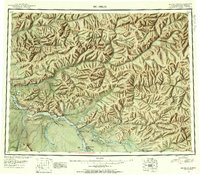
1950 · Big Delta
USGS Topo · 1:250,000
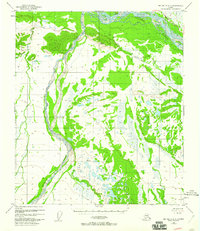
1950 · Big Delta A-5
USGS Topo · 1:63,360
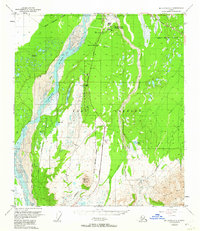
1950 · Mount Hayes D-4
USGS Topo · 1:63,360
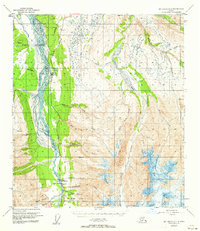
1950 · Mount Hayes C-4
USGS Topo · 1:63,360
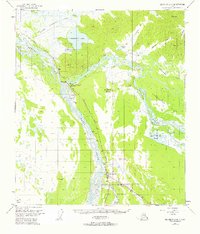
1950 · Big Delta A-4
USGS Topo · 1:63,360
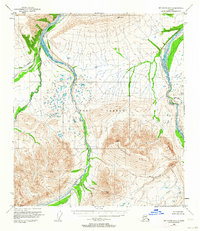
1950 · Mount Hayes D-6
USGS Topo · 1:63,360
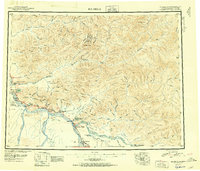
1951 · Big Delta
USGS Topo · 1:250,000
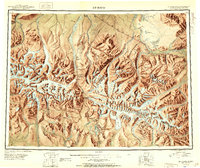
1951 · Mount Hayes
USGS Topo · 1:250,000