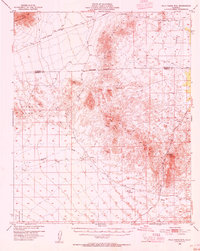
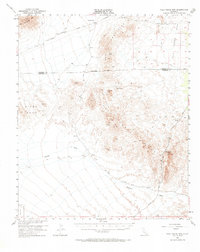
1953 Map of Palo Verde Mountains
USGS Topo · Published 1954About this map
The Palo Verde Mountains and Mule Mountains dominate this arid landscape in the mid-1950s, defining a region of stark volcanic landforms and historical desert corridors. The map records a series of prominent summits including Palo Verde Peak and Thumb Peak, alongside the unusual Flat Tops and the Geode Beds, which indicate the geological character of this corner of Imperial and Riverside counties.
Find a feature on this map
19 named features on this map. Tap any name to fly to it.
Don’t see what you’re looking for? This feature index may not catch every label — zoom into the map to look around manually.
Map Details
Editions of this 1953 Palo Verde Mountains Map
5 editions found
Other maps of this area
1942 · Blythe
USGS Topo · 1:250,000
1945 · Cibola
USGS Topo · 1:62,500
1945 · Picacho
USGS Topo · 1:62,500
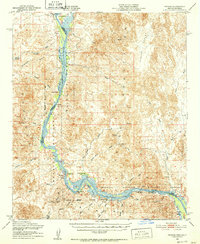
1951 · Picacho
USGS Topo · 1:62,500
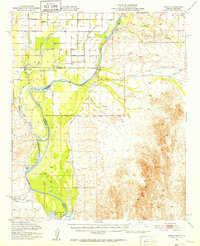
1951 · Cibola
USGS Topo · 1:62,500
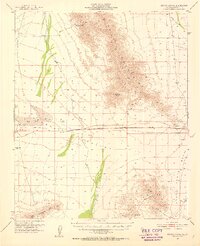
1952 · Mc Coy Spring
USGS Topo · 1:62,500
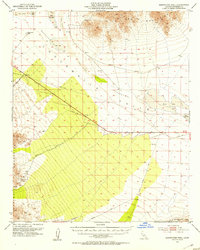
1952 · Sidewinder Well
USGS Topo · 1:62,500
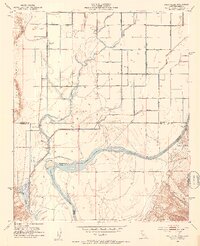
1952 · Palo Verde
USGS Topo · 1:24,000
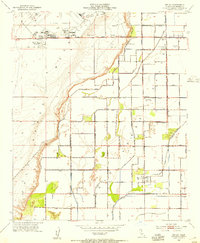
1952 · Ripley
USGS Topo · 1:24,000
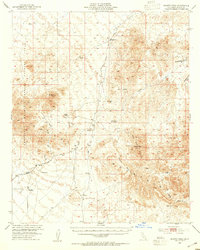
1953 · Quartz Peak
USGS Topo · 1:62,500