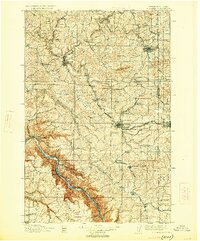
1910 Map of Pullman
USGS Topo · Published 1926About this map
Pullman and Moscow anchor this regional study of the Palouse hills, illustrating the early development of the State College of Washington and the University of Idaho across the state line. The landscape is defined by the agricultural plateaus of Spring Flat and Rebel Flat, deeply incised by the North Fork Palouse River and its tributaries. To the south, the terrain drops dramatically into the Snake River canyon, where prominent landmarks like Granite Pt and Bishop Bar line the water's edge. The industrial and transit network of the early twentieth century is visible through the Oregon Railroad and Navigation Co and Northern Pacific Railroad lines, which connect numerous small settlements and post offices such as Guy Albion P O and Elberton. A specialized Tramway near the river suggests the logistical challenges of moving goods from the high canyon rims down to the water.
Find a feature on this map
77 named features on this map. Tap any name to fly to it.
Don’t see what you’re looking for? This feature index may not catch every label — zoom into the map to look around manually.
Map Details
Editions of this 1910 Pullman Map
5 editions found
Other maps of this area
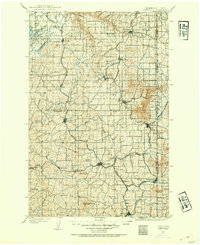
1903 · Oakesdale
USGS Topo · 1:125,000
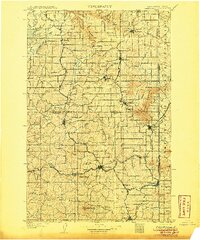
1905 · Oakesdale
USGS Topo · 1:125,000
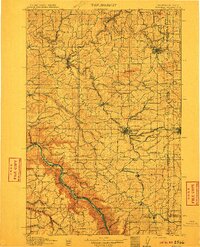
1910 · Pullman
USGS Topo · 1:125,000
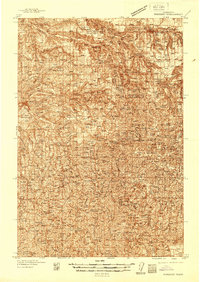
1937 · Pomeroy
USGS Topo · 1:96,000
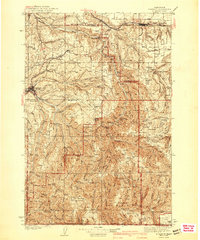
1942 · Pomeroy
USGS Topo · 1:125,000
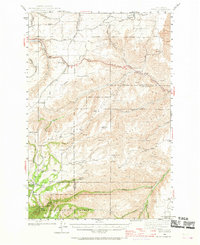
1943 · Peola
USGS Topo · 1:62,500
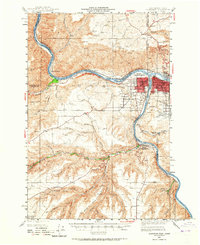
1945 · Clarkston
USGS Topo · 1:62,500
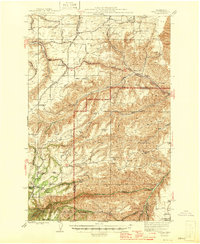
1946 · Peola
USGS Topo · 1:62,500
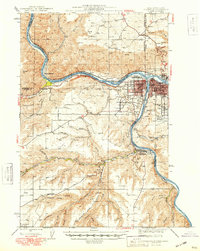
1948 · Clarkston
USGS Topo · 1:62,500
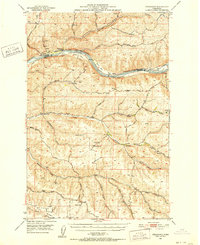
1950 · Penawawa
USGS Topo · 1:62,500