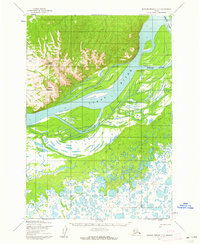
1952 Map of Russian Mission C-7
USGS Topo · Published 1962About this map
The Yukon River dominates this mid-century sub-arctic landscape, carving a complex network of braids and secondary channels across the tundra. The waterway is flanked by Kazyga Slough and Portage Slough, which define large landforms like Thirtytwo Island. To the northwest, the terrain shifts abruptly from the river lowlands to the elevations of Ungalak Mountain and Bend Mountain.
Find a feature on this map
8 named features on this map. Tap any name to fly to it.
Don’t see what you’re looking for? This feature index may not catch every label — zoom into the map to look around manually.
Map Details
Editions of this 1952 Russian Mission C-7 Map
This is the sole edition of this map. No revisions or reprints were ever made.
Other maps of this area
1947 · Russian Mission
USGS Topo · 1:250,000
1950 · Russian Mission
USGS Topo · 1:250,000
1952 · Russian Mission C-8
USGS Topo · 1:63,360
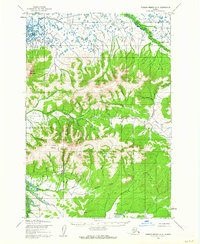
1952 · Russian Mission D-8
USGS Topo · 1:63,360
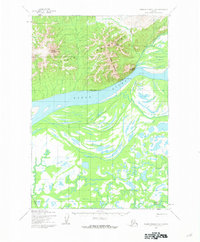
1952 · Russian Mission D-6
USGS Topo · 1:63,360
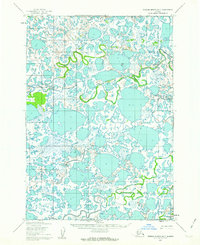
1952 · Russian Mission B-7
USGS Topo · 1:63,360
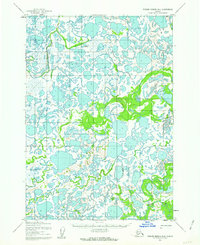
1952 · Russian Mission B-6
USGS Topo · 1:63,360
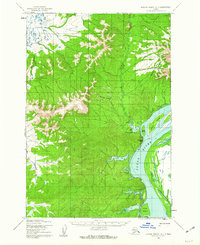
1952 · Russian Mission D-7
USGS Topo · 1:63,360
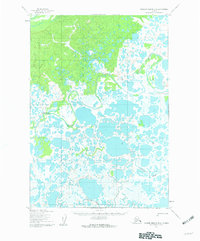
1952 · Russian Mission B-8
USGS Topo · 1:63,360
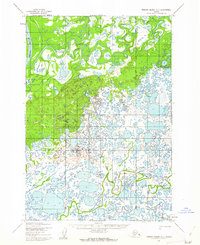
1952 · Russian Mission C-6
USGS Topo · 1:63,360