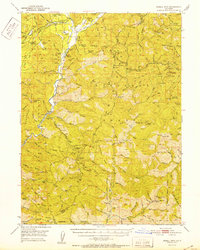
1952 Map of Schell Mtn
USGS Topo · Published 1952About this map
Trinity Farm and a cluster of family-owned ranchlands like Scott Ranch and Norwegian Ranch occupy the northern reaches of this 1950s terrain. The area is defined by the steep descent toward the Trinity River and its East Fork, where the landscape transitions from high peaks to narrow canyon flats. The map documents a diverse extractive history, from hard-rock sites like the Star Mine and Five Pines Mine to the timber-related Lamoine Mill Site. Remote outposts such as Garrity Cabin and the Trinity Mtn Guard Sta reflect the era's focus on forest management and livestock grazing, evidenced by the presence of Sugar Pine Sheep Camp and Schultz Sheep Camp scattered across the high ridges. This geography captures the working landscape of the Trinity National Forest before more modern infrastructure reached these canyons.
Find a feature on this map
138 named features on this map. Tap any name to fly to it.
Don’t see what you’re looking for? This feature index may not catch every label — zoom into the map to look around manually.
Map Details
Editions of this 1952 Schell Mtn Map
2 editions found
Other maps of this area
1886 · Shasta
USGS Topo · 1:250,000
1890 · Red Bluff
USGS Topo · 1:250,000
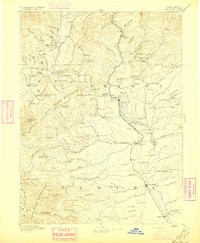
1894 · Red Bluff
USGS Topo · 1:250,000
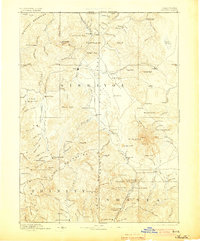
1894 · Shasta
USGS Topo · 1:250,000
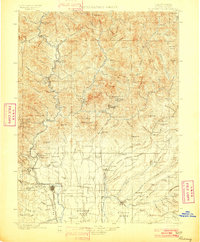
1901 · Redding
USGS Topo · 1:125,000
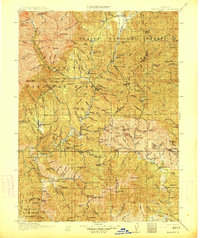
1913 · Weaverville
USGS Topo · 1:125,000
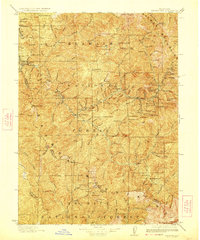
1923 · Sawyers Bar
USGS Topo · 1:125,000
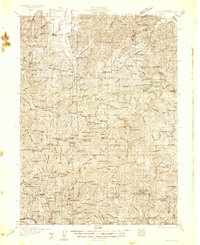
1931 · Etna
USGS Topo · 1:96,000
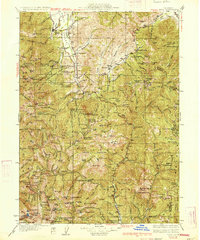
1934 · Etna
USGS Topo · 1:125,000
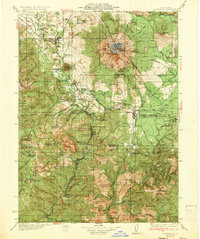
1935 · Dunsmuir
USGS Topo · 1:125,000