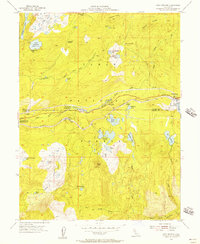
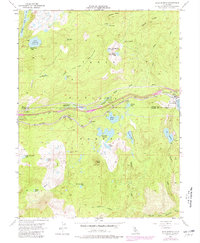
1955 Map of Soda Springs
USGS Topo · Published 1957About this map
Soda Springs and the Southern Pacific railroad corridor define the high-elevation landscape of the northern Sierra Nevada during this mid-century period. The map traces the critical transportation route between Nevada and Placer Counties, where the railroad and early mountain highways follow the South Yuba River. Settlement is concentrated along this artery at Kingvale and Troy, supported by local infrastructure like the Donner Trail School and the Tamarack Substation.
Find a feature on this map
49 named features on this map. Tap any name to fly to it.
Don’t see what you’re looking for? This feature index may not catch every label — zoom into the map to look around manually.
Map Details
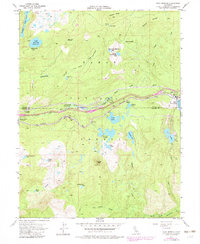
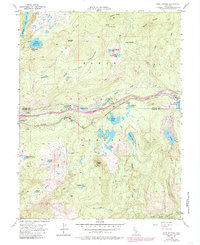
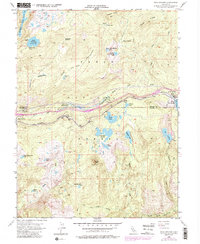
Editions of this 1955 Soda Springs Map
8 editions found
Other maps of this area
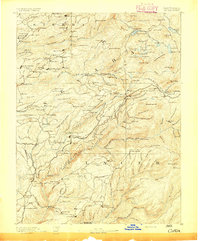
1891 · Colfax
USGS Topo · 1:125,000
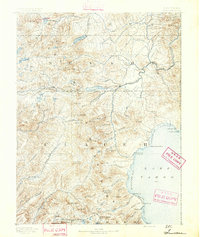
1891 · Truckee
USGS Topo · 1:125,000
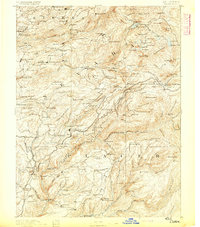
1892 · Colfax
USGS Topo · 1:125,000
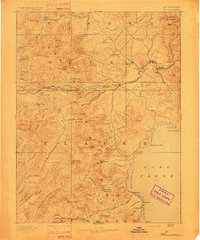
1893 · Truckee
USGS Topo · 1:125,000
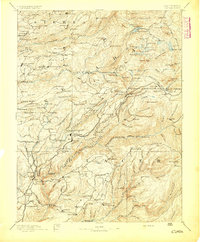
1894 · Colfax
USGS Topo · 1:125,000
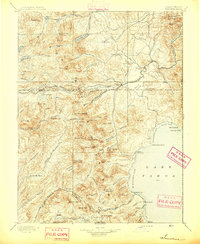
1895 · Truckee
USGS Topo · 1:125,000
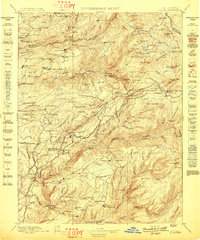
1898 · Colfax
USGS Topo · 1:125,000
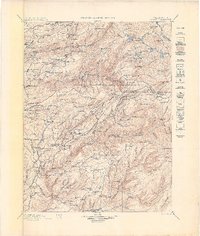
1900 · Colfax
USGS Topo · 1:125,000
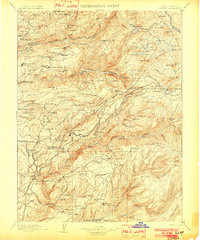
1902 · Colfax
USGS Topo · 1:125,000
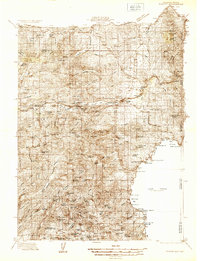
1932 · Truckee
USGS Topo · 1:96,000