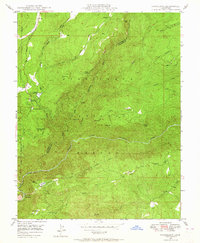
1948 Map of Stanislaus
USGS Topo · Published 1966About this map
The Stanislaus National Forest landscape in the late 1940s is defined by the steep canyon of the Middle Fork Stanislaus River and the high timberlands of the Sierra Nevada. This survey reveals a transition from the developing residential pockets of Avery and Hathaway Pines along the Ebbetts Pass Highway to the isolated working outposts of the forest interior.
Find a feature on this map
34 named features on this map. Tap any name to fly to it.
Don’t see what you’re looking for? This feature index may not catch every label — zoom into the map to look around manually.
Map Details
Editions of this 1948 Stanislaus Map
4 editions found
Other maps of this area
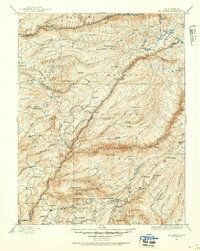
1891 · Big Trees
USGS Topo · 1:125,000
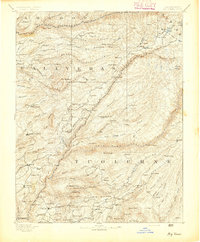
1894 · Big Trees
USGS Topo · 1:125,000
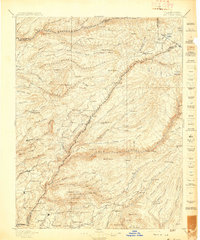
1897 · Big Trees
USGS Topo · 1:125,000
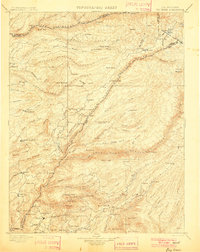
1901 · Big Trees
USGS Topo · 1:125,000
1947 · Sacramento
USGS Topo · 1:250,000
1948 · Sacramento
USGS Topo · 1:250,000
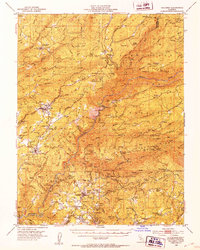
1948 · Columbia
USGS Topo · 1:62,500
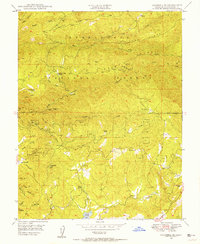
1948 · Columbia SE
USGS Topo · 1:24,000
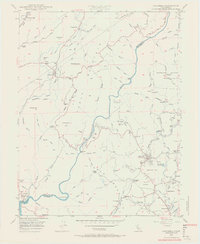
1948 · Columbia
USGS Topo · 1:24,000
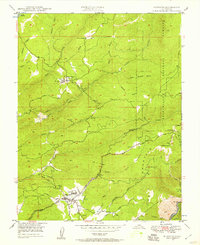
1948 · Murphys
USGS Topo · 1:24,000