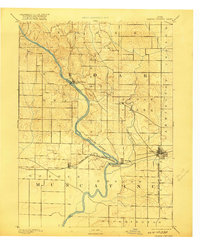
1891 Map of Wilton Junction
USGS Topo · Published 1917About this map
The Cedar River meanders sharply through this prairie landscape, carving a deep valley that defines the topography of Cedar and Muscatine Counties. Surveyed in 1889, the map reveals a late-19th-century agricultural economy tied closely to the Chicago Rock Island and Pacific Railroad, which links the growing village of Wilton with the riverside settlement of Moscow and nearby Atalissa. The rail line cuts a straight path across the drainage of Sugar Creek, bypassing older river-oriented sites like Rochester. Small, specialized nodes like Lime City reflect the era's local extractive industries and lime production, while the township boundaries of Farmington, Goshen, and Bloomington show the established grid of Iowa’s rural sections. This reconnaissance study by topographer Henry Gannett captures the transition from river-based transport to the dominance of the steam rail network.
Find a feature on this map
18 named features on this map. Tap any name to fly to it.
Don’t see what you’re looking for? This feature index may not catch every label — zoom into the map to look around manually.
Map Details
Editions of this 1891 Wilton Junction Map
3 editions found
Other maps of this area
1889 · Tipton
USGS Topo · 1:62,500
1890 · Durant
USGS Topo · 1:62,500
1890 · Tipton
USGS Topo · 1:62,500
1891 · Mechanicsville
USGS Topo · 1:62,500
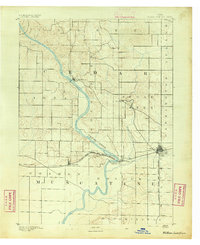
1891 · Wilton Junction
USGS Topo · 1:62,500
1892 · Wheatland
USGS Topo · 1:62,500
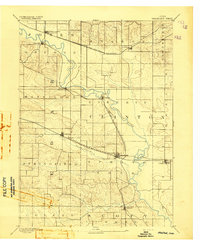
1894 · Wheatland
USGS Topo · 1:62,500
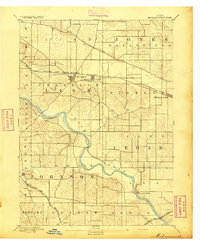
1894 · Mechanicsville
USGS Topo · 1:62,500
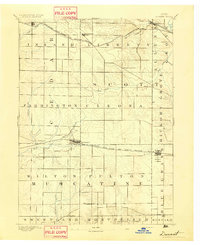
1894 · Durant
USGS Topo · 1:62,500
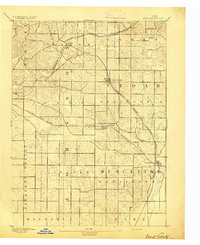
1894 · West Liberty
USGS Topo · 1:62,500