Old Maps of Trujillo Alto for Metal Detecting
Plan your next treasure hunt with 41 historic maps of Trujillo Alto. Find old homesites, ghost towns, trails, and gathering spots that may be lost to time — perfect for identifying promising metal detecting locations.
- Locate forgotten sites: Uncover places like long-lost settlements, abandoned rail lines, or gathering spots.
- Plan better hunts: Use map overlays combined with LiDAR or satellite views to narrow in on historically rich areas.
- Made for detectorists: Thousands of hobbyists use these maps to discover relics, coins, and hidden history.
Use these historic maps to boost your research and find new opportunities beneath the surface of Trujillo Alto.
Trujillo Alto maps
(41)- 1940 Map of Carolina
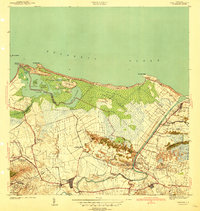 1940 Carolina1940 Print · USGSNortheast Puerto Rico is shown here just before the era of rapid modernization, when sugar production dominated the coastal plains. Researchers can trace the layout of agricultural colonies like Colonia Monserrate and historic centers such as Loiza Aldea and Central Victoria.
 - 1941 Map of San Juan
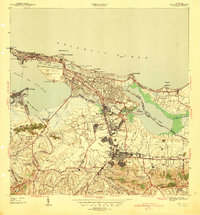 1941 San Juan1941 Print · USGSSan Juan and its surrounding municipios are captured here in the early 1940s, showing the capital's expansion before the post-war industrial boom. Researchers can trace the layout of early suburbs like Hato Rey, locate landmarks like the Universidad de Puerto Rico, or study the historic fortifications at Morro Castle.2 unique versions available
 - 1941 Map of Carolina
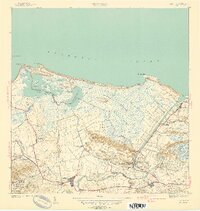 1941 Carolina1941 Print · USGSCoastal Puerto Rico at the start of the 1940s shows a landscape of sugar centrales and traditional settlements along the Atlantic. Researchers can trace family ties at Loiza Aldea, locate the rail spurs of Central Victoria, or explore the limits of the Bosque Insular de Piñones.
 - 1946 Map of Aguas Buenas
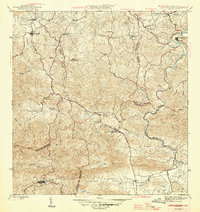 1946 Aguas Buenas1946 Print · USGSAguas Buenas and the surrounding central highlands appear here in the mid-forties, showing the intricate network of mountain roads and rural settlements. Genealogists and historians can locate specific landmarks like the Leprocomio, Pueblo Seco, and several local Escuela Segunda Unidad schools.3 unique versions available
 - 1946 Map of Gurabo
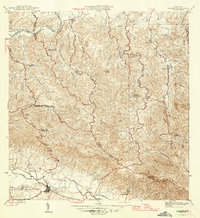 1946 Gurabo1946 Print · USGSThe foothills and river valleys of northeastern Puerto Rico come alive in this post-war survey. Genealogists can locate family-named landmarks and rural centers like Trujillo Bajo, Campo Rico, and the Escuela Segunda Unidad de Cacao.3 unique versions available
 - 1947 Map of Carolina
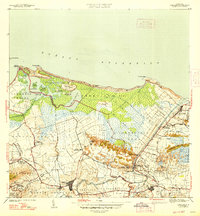 1947 Carolina1947 Print · USGSNortheast Puerto Rico is documented here in the late 1940s as a landscape of coastal lagoons and thriving sugar centrals. Genealogists can trace family roots through numerous worker settlements like Poblado Sabana Abajo, Colonia Las Delicias, and Loíza Aldea.3 unique versions available
 - 1947 Map of Aguas Buenas NE
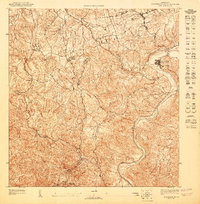 1947 Aguas Buenas NE1947 Print · USGSPuerto Rico's interior highlands near Trujillo Alto are captured here in the late 1940s as a landscape of rural settlements and winding rivers. Researchers can locate specific structures in Pueblo Seco and trace the paths of the Río Grande de Loíza or the grounds of the Leprocomio.
 - 1947 Map of Aguas Buenas SE
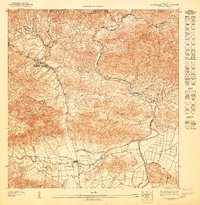 1947 Aguas Buenas SE1947 Print · USGSCaguas and the surrounding river valleys are captured in the late 1940s as the regional landscape balanced traditional agriculture with emerging infrastructure. Researchers can trace rural school locations like Escuela Segunda Unidad de Rio Canas and the courses of the Rio Grande de Loiza and Rio Bairoa.
 - 1947 Map of Gurabo SO
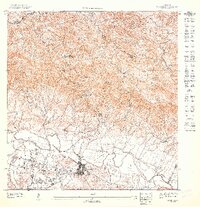 1947 Gurabo SO1947 Print · USGSGurabo and the surrounding valley appear in this 1940s survey during the height of the island's agricultural era. Genealogists and historians can trace local landmarks like Gurabo, the rural Escuela Segunda Unidad de Quebrada Infierno, and the Military Reservation.
 - 1947 Map of San Juan
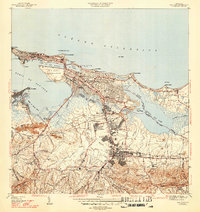 1947 San Juan1947 Print · USGSSan Juan is captured in the mid-forties as it expands from the historic islet toward the inland hills and the university grounds. Genealogists and historians can trace early neighborhoods like Barriada Eleanor Roosevelt and landmarks such as Las Ruinas de Caparra and the American Railroad.3 unique versions available
 - 1949 Map of San Juan, 1952 Print
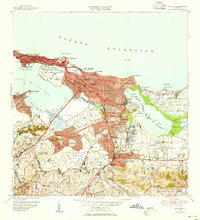 1949 San Juan1952 Print · USGSSan Juan and its surrounding barrios were undergoing significant expansion during the late 1940s as urbanization pushed south and east from the old city. Genealogists and historians can trace institutional landmarks like the Universidad de Puerto Rico, the historic walls of Fort Brook, and neighborhood developments in Barriada Eleanor Roosevelt.2 unique versions available
 - 1950 Map of San Juan SE
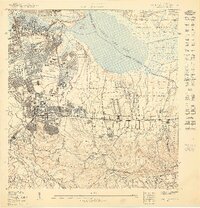 1950 San Juan SE1950 Print · USGSMid-century San Juan reveals a landscape in transition as the university district expands and new infrastructure emerges near the coast. Researchers can trace early urban development in Río Piedras, locate the Aeropuerto Internacional site, and find legacy landmarks like Hipodromo Las Casas.
 - 1950 Map of Carolina SO
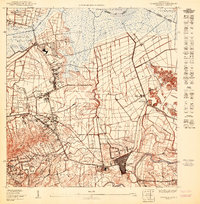 1950 Carolina SO1950 Print · USGSMid-century Carolina and its surrounding barrios are captured here during a shift from sugar production to aviation. Trace the early layout of Carolina near the Central Victoria mill and the planned International Airport.
 - 1952 Map of Aguas Buenas, 1953 Print
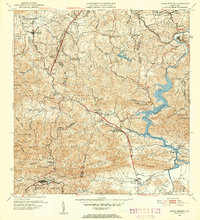 1952 Aguas Buenas1953 Print · USGSAguas Buenas and the surrounding central highlands of Puerto Rico are mapped here during a period of steady mid-century growth. Researchers can trace family sites near Barrio Bairoa or locate community centers like the Escuela Luis Santella and Leprocomio.2 unique versions available
 - 1952 Map of Gurabo, 1953 Print
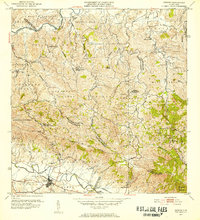 1952 Gurabo1953 Print · USGSThe valleys and peaks of eastern Puerto Rico are captured here in the early fifties, showing the rural development of the Gurabo region. Genealogists and historians can trace local family landmarks and community hubs like Trujillo Bajo, Escuela Manuel Agosto, and the Cementerio Rural de Gurabo.2 unique versions available
 - 1955 Map of Gurabo, 1956 Print
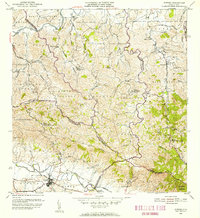 1955 Gurabo1956 Print · USGSMid-century Gurabo and the surrounding highlands are captured here during a period of agricultural and educational expansion. Genealogists and historians can trace family roots through labeled landmarks like Trujillo Bajo, Escuela Abraham Lincoln, and the Cementerio Rural de Gurabo.
 - 1955 Map of Aguas Buenas, 1956 Print
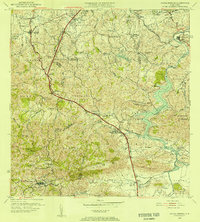 1955 Aguas Buenas1956 Print · USGSThe area surrounding Aguas Buenas is captured in the mid-fifties, showing the region before the extensive growth of the San Juan metro. Genealogists can trace family footprints through historic barrios like CAIMITO and CUPEL or locate old school sites like Escuela Segunda Unidad de Río Cañas.
 - 1957 Map of Aguas Buenas, 1959 Print
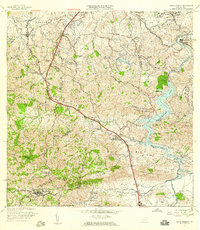 1957 Aguas Buenas1959 Print · USGSAguas Buenas and the surrounding highlands are captured in the late fifties as the region's hydroelectric and communications infrastructure expanded. Researchers can trace family-named barrios and landmarks like Saint Just, Escuela Daniel Diaz, and the Leprosomio near the banks of Lago Loiza.
 - 1957 Map of Carolina, 1959 Print
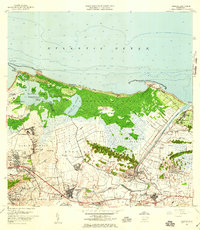 1957 Carolina1959 Print · USGSNortheastern Puerto Rico is captured in the late fifties as sugar mills and new transit hubs like the Aeropuerto Internacional reshaped the coast. Trace the Rio Grande de Loiza past the Central Canovanas and the local post office at Loíza.
 - 1957 Map of Gurabo, 1959 Print
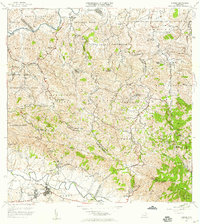 1957 Gurabo1959 Print · USGSThe Puerto Rican interior near the confluence of the Rio Gurabo and Rio Grande de Loiza comes alive in this late 1950s survey. Researchers can trace rural lineages through the Cementerio Rural de Carruzos and local schools like Escuela Manuel Lebron.
 - 1957 Map of San Juan, 1959 Print
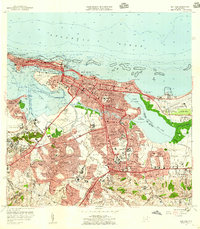 1957 San Juan1959 Print · USGSSan Juan and its surrounding barrios are seen here in the midst of mid-century modernization, from the old city walls to the emerging international airport. Genealogists and historians can locate family sites across Santurce, the grounds of the Universidad de Puerto Rico, and historic landmarks like La Fortaleza.
 - 1962 Map of Gurabo, 1965 Print
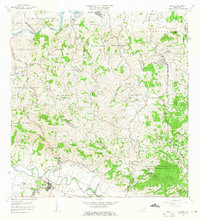 1962 Gurabo1965 Print · USGSThe valleys and peaks of eastern Puerto Rico are captured here in the early sixties, showing the vital waterways of the Río Gurabo. Local historians can trace family locations at settlements like Mariana and Maria Jiménez or locate the Cementerio Rural de Gurabo.
 - 1963 Map of Carolina, 1965 Print
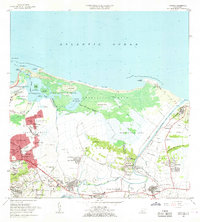 1963 Carolina1965 Print · USGSThe coastal area east of San Juan comes to life in the early sixties, showing the vital waterways and growing barrios of the north shore. Genealogists and historians can locate family landmarks from Loiza Aldea to Canóvanas, including the Escuela Santa Catalina and the Hipodromo El Comandante.
 - 1963 Map of San Juan, 1965 Print
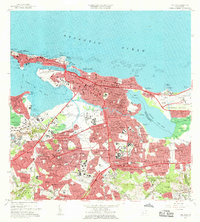 1963 San Juan1965 Print · USGSSan Juan and its surrounding barrios are shown in detail during the early sixties, capturing the city as it matured into a modern Caribbean hub. Researchers can locate family landmarks such as Cementerio Maria Magdalena, schools like Escuela Luchetti, and the expanding Aeropuerto de Isla Grande.
 - 1964 Map of Aguas Buenas, 1966 Print
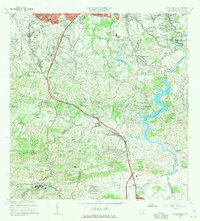 1964 Aguas Buenas1966 Print · USGSIn the mid-1960s, the hills south of San Juan were transitioning from rural barrios to suburban communities. Researchers can trace family roots at Cementerio Municipal or locate historic schools such as Escuela Luis Santaella and Escuela Jose de Diego.
Showing maps 1-25 of 41
Frequently asked questions
- What are the different types of historical maps available for Trujillo Alto?
- What is the oldest map of Trujillo Alto?
- Where can I purchase historical maps of Trujillo Alto for my home or office?
- Where can I download high-res historical maps of Trujillo Alto?
- Are there historical topographic maps available for Trujillo Alto?
- Is there historical aerial imagery available for Trujillo Alto?
- Where are historical maps of Trujillo Alto sourced from?