1970s Maps of Apache County, Arizona
Explore 107 historic maps of Apache County from the 1970s. These maps offer a rare glimpse into what life looked like during the 1970s — showing old roads, neighborhoods, homes, and landmarks that have changed or disappeared over time.
Whether you're researching your family's past, planning a metal detecting trip, or studying how Apache County's landscape evolved across the 1970s, these high-resolution maps are a powerful tool for exploring the history of this region.
- Focus on a specific era: All maps on this page are from the 1970s, giving you a focused view of this time period.
- See what’s changed: Compare century-old streets, trails, and buildings to today's modern landscape using overlays and satellite layers.
- Research with precision: Use these maps for genealogy, historical research, land use analysis, or educational projects.
- View, download, or print: Maps are fully viewable online in high resolution, and can be downloaded or printed for your own records.
Start exploring Apache County's history through authentic maps from the 1970s. This is your window into the past.
Apache County, AZ maps
(107)- 1971 Map of Cerro Hueco, 1973 Print
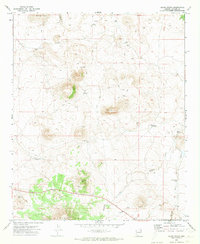 1971 Cerro Hueco1973 Print · USGSNortheastern Arizona's high-desert ranching country is documented here in the early 1970s. Researchers can locate remote water sources like Santa Fe Well and Blood Tank, or trace the volcanic terrain around Cerro Hueco.3 unique versions available
 - 1971 Map of Vernon, 1973 Print
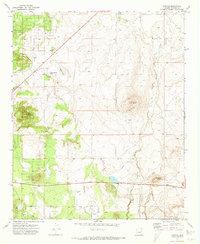 1971 Vernon1973 Print · USGSApache County high country is shown here in the early seventies, centered on the settlement of Vernon at the forest edge. Local historians can trace the former locations of Floy (Site) and Bannon (Site) near landmarks like Dutch Mountain.3 unique versions available
 - 1971 Map of Mesa Parada NW, 1973 Print
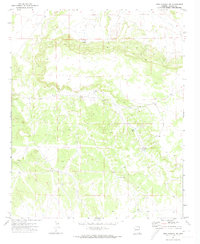 1971 Mesa Parada NW1973 Print · USGSHigh desert mesas in Apache County appear here in the early 1970s, detailed just after the topography was field-checked. Researchers can trace land use through cattle-rearing infrastructure like Coulter Tank, a Radio Facility, and natural Springs.2 unique versions available
 - 1971 Map of Lyman Lake SW, 1973 Print
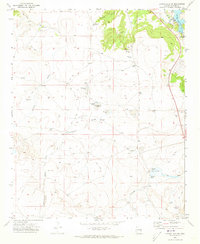 1971 Lyman Lake SW1973 Print · USGSApache County ranch lands and the upper Colorado River are captured here in the early seventies as the local landscape balanced agriculture and recreation. Researchers can locate remote outposts like Hayrock Ranch, the secluded 24 Ranch, and a small riverside Cem.
 - 1971 Map of Mesa Parada, 1973 Print
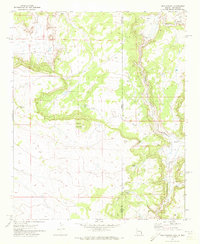 1971 Mesa Parada1973 Print · USGSThe high desert plateau along the Arizona-New Mexico border is captured here in the early seventies, detailing a landscape defined by ranching and water. Researchers can trace remote water improvements like Little Electric Well and Gallegos Springs near the prominent Mesa Parada.
 - 1971 Map of Concho, 1973 Print
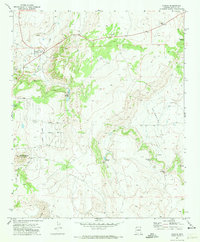 1971 Concho1973 Print · USGSIn the early seventies, the Apache County community of Concho was evolving with a new residential street network and local Golf Course. Researchers can trace the importance of desert water through named features like Concho Lake, Swinburne Spring, and the Hamblin Spr.2 unique versions available
 - 1971 Map of Voigt Ranch, 1973 Print
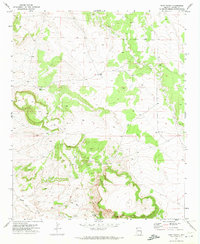 1971 Voigt Ranch1973 Print · USGSIn the ranchlands of Apache County during the early 1970s, this survey shows the isolated working life of the high desert. Researchers can trace the ranching footprint across Voigt Ranch, The Aztec, and cattle Corrals along a Jeep Trail.2 unique versions available
 - 1971 Map of Salado, 1973 Print
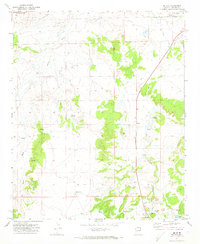 1971 Salado1973 Print · USGSApache County ranchlands in the early 1970s reveal a landscape of irrigation ditches and isolated outposts along the Little Colorado River. Genealogists and historians can trace family sites like Chavez Ranch, find the El Tule site, or locate the remote Cem and Salado Springs.2 unique versions available
 - 1971 Map of The Rincon, 1973 Print
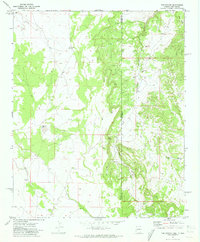 1971 The Rincon1973 Print · USGSThe high desert border between Arizona and New Mexico comes into focus during the early 1970s, showing a landscape defined by ranching and water access. Genealogists and historians can trace family-named sites like Tom Phelps Well and Goldwater Well along the edge of Cottonwood Canyon.
 - 1971 Map of Concho Lake, 1973 Print
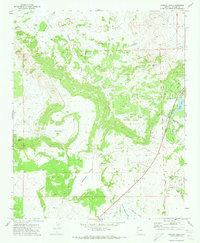 1971 Concho Lake1973 Print · USGSHigh-country development in Apache County during the early seventies shows the expansion of residential street grids near the water. Genealogists and historians can trace local landmarks like Mormon Hill, the waters of Concho Lake, and the winding Mail Station Draw.2 unique versions available
 - 1971 Map of Mesa Redonda, 1973 Print
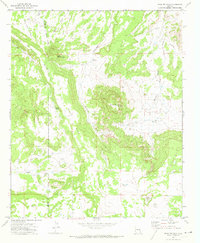 1971 Mesa Redonda1973 Print · USGSApache County ranching and high-mesa terrain are captured here in the early 1970s. Researchers can trace remote homesteads and livestock water sources like Mesa Redonda Ranch, Millet Swale, and Red Rock Tank.2 unique versions available
 - 1971 Map of Lyman Lake, 1973 Print
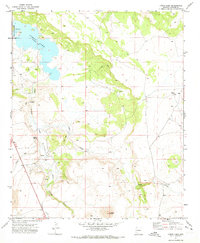 1971 Lyman Lake1973 Print · USGSLyman Lake and the surrounding high desert of Apache County are captured here in the early 1970s during a period of steady recreation and ranching. Researchers can trace the banks of the Little Colorado River to find Richville, Neilson Spring, and early park amenities.2 unique versions available
 - 1971 Map of Ortega Mtn, 1973 Print
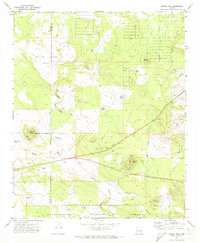 1971 Ortega Mtn1973 Print · USGSHigh-altitude forest and volcanic peaks define the Apache and Navajo County line in the early 1970s. Trace the remote network of stock tanks and cinder mines through Sitgreaves National Forest, from Ortega Mtn to the route of Dobbs Cutoff.3 unique versions available
 - 1971 Map of St. Johns South, 1973 Print
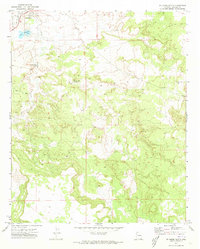 1971 St. Johns South1973 Print · USGSThe southern fringes of St Johns and the surrounding high desert are captured here during the early seventies. Genealogists and researchers can trace local water management and early industry via the Little Reservoir, Diversion Dam, and several local Borrow Pits.2 unique versions available
 - 1971 Map of Wide Ruins, 1974 Print
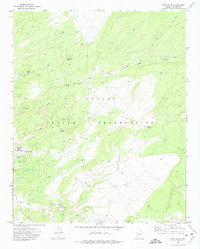 1971 Wide Ruins1974 Print · USGSThe Navajo Indian Reservation in the 1970s is documented here through its network of isolated water sources and trading hubs. Researchers can trace land use through landmarks like the Wide Ruins Trading Post and family-named features such as Autsidy Smith Well.
 - 1971 Map of Burntwater Wash, 1975 Print
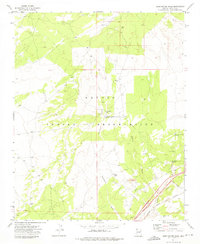 1971 Burntwater Wash1975 Print · USGSThe high desert of Apache County comes alive in the early seventies, centered on the Burntwater Trading Post and its surrounding desert washes. Genealogists and historians can trace water rights and remote outposts through Broken Home Well, Box Canyon Springs, and the Atchison Topeka and Santa Fe Railroad Grade.
 - 1971 Map of Joe Woody Well, 1975 Print
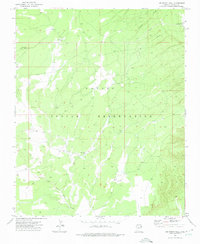 1971 Joe Woody Well1975 Print · USGSHigh-elevation plateau life on the Navajo Indian Reservation during the early seventies is defined by its water and utility networks. Trace the pathways between Joe Woody Well, the Oak Ridge Lookout Tower, and the Window Rock Pumping Station.
 - 1971 Map of Hunters Point, 1975 Print
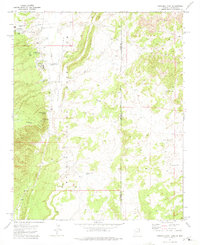 1971 Hunters Point1975 Print · USGSThe Navajo Nation borderlands come into focus in the early seventies, detailing the valley around Black Creek. Genealogists and researchers can locate family-named landmarks like John Nez Well and Tabaha Well, alongside the Hunters Point Boarding Sch.
 - 1971 Map of Chafin Well, 1975 Print
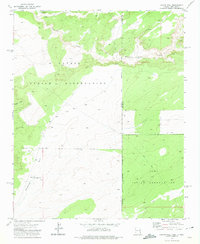 1971 Chafin Well1975 Print · USGSThe high-desert borderlands of Arizona and New Mexico are captured in the early seventies, marking the intersection of the Navajo Indian Reservation and Zuni Indian Reservation. Trace remote outposts and water sources like G H Begaye Well and Good Luck Spring.2 unique versions available
 - 1971 Map of Tudecoz Spring, 1975 Print
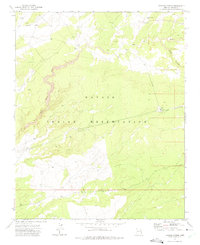 1971 Tudecoz Spring1975 Print · USGSThe Navajo Indian Reservation in the early seventies shows a remote landscape of high plateaus and vital water sources. Trace the path of Wide Ruin Wash or locate isolated infrastructure like the Na Des Bah Well and the secluded Landing Strip.
 - 1971 Map of Uranium Spring, 1975 Print
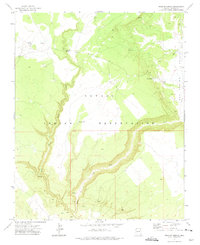 1971 Uranium Spring1975 Print · USGSApache County's reservation lands come into focus during the early 1970s, showing a landscape defined by vital water sources and ranching infrastructure. Researchers can trace the path of Black Creek and locate remote outposts like Burnside Well, Uranium Spring, and scattered Prospects.
 - 1971 Map of High Lonesome Well, 1975 Print
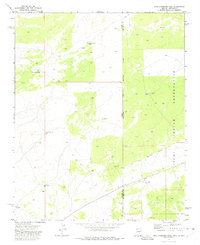 1971 High Lonesome Well1975 Print · USGSThe Arizona-New Mexico state line and the Zuni Indian Reservation meet in this early 1970s high-desert survey. Researchers can trace remote ranching infrastructure including High Lonesome Well, Beacon 56, and the Old Indian Reservation Boundary.
 - 1971 Map of Sanders, 1975 Print
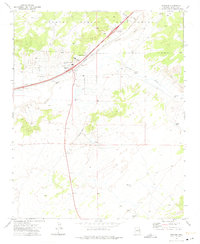 1971 Sanders1975 Print · USGSIn the high desert of eastern Arizona during the early seventies, the rail-and-river corridor through Sanders reveals a landscape of trade and transit. Researchers can trace the Atchison Topeka and Santa Fe line past the Cedar Point Trading Post and remote landmarks like Emigrant Springs.
 - 1971 Map of Surrender Canyon, 1975 Print
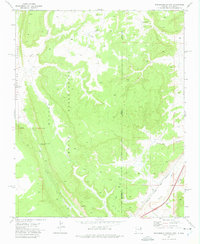 1971 Surrender Canyon1975 Print · USGSThe Arizona-New Mexico borderlands within the Navajo Indian Reservation are documented here in the early 1970s. Trace the path of the Atchison Topeka and Santa Fe railroad or locate remote landmarks like Tea Pot and Surrender Canyon.
 - 1971 Map of Chambers, 1975 Print
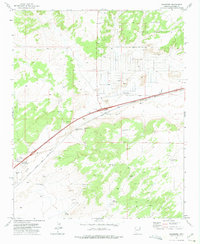 1971 Chambers1975 Print · USGSChambers and the surrounding high desert of Apache County are captured here in the early seventies, centered on the vital rail and river corridor. Researchers can locate the Mc Carrell Memorial Cem, trace the Atchison Topeka and Santa Fe line, and find ranching landmarks like Peplote Windmill.
Showing maps 1-25 of 107
Top cities of Apache County
- Eagar historical maps
- St. Johns historical maps
- Springerville historical maps
- Dennehotso historical maps
- Alpine historical maps
Frequently asked questions
- What are the different types of historical maps available for Apache County?
- What is the oldest map of Apache County?
- Where can I purchase historical maps of Apache County for my home or office?
- Where can I download high-res historical maps of Apache County?
- Are there historical topographic maps available for Apache County?
- Is there historical aerial imagery available for Apache County?
- Where are historical maps of Apache County sourced from?