Old Maps of Chinle Agency, Arizona for Academic Research
Study the evolution of Chinle Agency with 436 high-resolution historic maps. Whether you're teaching, researching, or modeling changes in land use, these maps provide essential visual documentation of urban, environmental, and geographic change.
- Analyze long-term change: Track patterns in development, transportation, and natural features.
- Ideal for environmental or urban studies: Support academic projects with primary historical map data.
- Use in the classroom or lab: Educators and researchers rely on these maps to bring historical context to life.
These maps are a powerful tool for teaching, research, and visualizing how Chinle Agency has changed over the decades.
Chinle Agency, AZ maps
(436)- 1883 Map of Marsh Pass
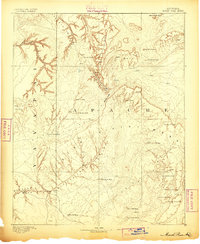 1883 Marsh Pass1883 Print · USGSNortheastern Arizona was a complex labyrinth of mesas and canyons when this survey was conducted in the early 1880s. Researchers can locate critical desert water sources like Na-pai-bi-to Spring Lake and landmarks like Aga-thla Needle.
 - 1883 Map of Tusayan, 1896 Print
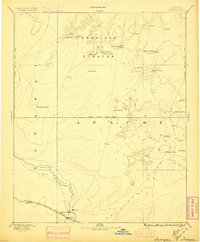 1883 Tusayan1896 Print · USGSNortheastern Arizona's high desert was entering a period of rapid transition in the 1880s as traditional Hopi life met the expansion of the rail system. Genealogists and historians can trace the foundations of Winslow or explore ancient villages like Oraibi and Walpi.
 - 1886 Map of Tusayan
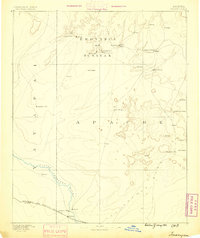 1886 Tusayan1886 Print · USGSArizona's high desert during the 1880s reveals a unique meeting of ancient mesa villages and the advancing rail line. Genealogists and historians can trace mesa settlements like Wolpi and Oraibi or early rail towns including Brigham City and Winslow.5 unique versions available
 - 1886 Map of Fort Defiance
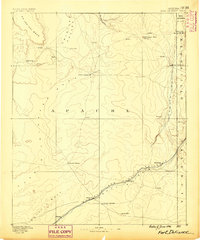 1886 Fort Defiance1886 Print · USGSTerritorial Arizona and the high plateaus of Apache County come to life in the 1880s, centered on the strategic outpost of Fort Defiance. Researchers can trace the path of the Atlantic and Pacific Railroad and locate early stops like Allantown and Navajo.
 - 1889 Map of Chaco
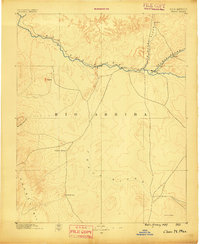 1889 Chaco1889 Print · USGSNorthwestern New Mexico appears here in the late nineteenth century as a frontier of emerging river settlements and high-desert springs. Researchers can trace early footprints at Farmington and Aztec, or locate watering points like Sheep Spring and Seven Lakes.
 - 1892 Map of Fort Defiance
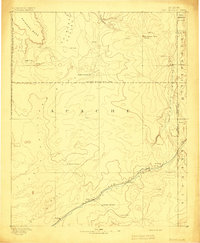 1892 Fort Defiance1892 Print · USGSNorthern Arizona in the late nineteenth century remains a frontier of isolated outposts and high desert mesas. Trace the path of the A & P R R through Sanders or locate the remote station at Pueblo Colorado and the springs at Jacobs Well.6 unique versions available
 - 1892 Map of Marsh Pass
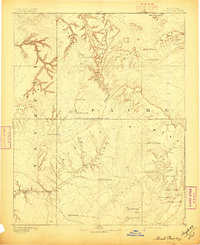 1892 Marsh Pass1892 Print · USGSNortheastern Arizona and the Navajo lands are shown in the late nineteenth century as a series of immense mesas and critical water sources. You can trace early trails through Marsh Pass and locate remote landmarks like the Agathla Needle or Chil-Chi-Vi-To Spring.4 unique versions available
 - 1892 Map of Chaco
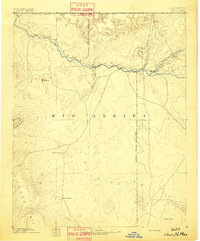 1892 Chaco1892 Print · USGSNorthwestern New Mexico in the late nineteenth century reveals the early river-side foundations of the Four Corners region. Genealogists and historians can trace the development of Farmington, Aztec, and Jewett along the San Juan River and the high desert outpost of Seven Lakes.5 unique versions available
 - 1892 Map of Canyon De Chelly
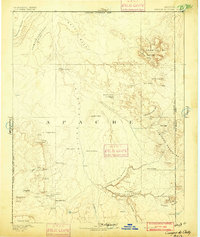 1892 Canyon De Chelly1892 Print · USGSApache County's high desert and deep sandstone canyons are documented here in the early 1890s, shortly after the initial 1883 survey. Modern researchers can trace the intricate drainages of Canyon De Chelly and find early water sources like Hospitito Spring and Tatezaka Tank.5 unique versions available
 - 1947 Map of Flagstaff, 1948 Print
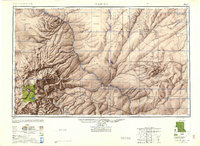 1947 Flagstaff1948 Print · USGSThe Arizona high country and the Painted Desert converge in this post-war survey. Researchers can trace the ancient mesa villages of Walpi and Oraibi, the early roads of Flagstaff, and landmarks like Sunset Crater National Monument.2 unique versions available
 - 1953 Map of Los Gigantes NE, 1954 Print
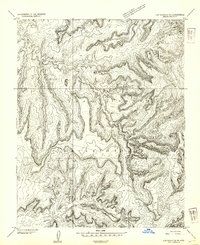 1953 Los Gigantes NE1954 Print · USGSNavajo Reservation lands in Apache County are captured here in the early fifties, documenting a landscape of high plateaus and vital waterways. Researchers can trace the path of Hasbidito Creek, locate the settlement at Cove, and identify specialized infrastructure like the tunnels.
 - 1953 Map of Los Gigantes NW, 1954 Print
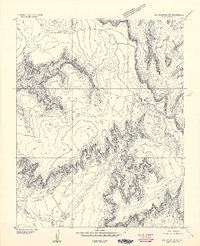 1953 Los Gigantes NW1954 Print · USGSThe Navajo Nation's intricate canyon country is captured in the early 1950s through precise topographic surveying. Geologists and researchers can trace the winding course of Hasbidito Creek and examine the vast, unnamed mesa formations within the Navajo Indian Reservation.
 - 1953 Map of Redrock Valley SW, 1954 Print
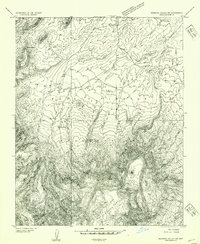 1953 Redrock Valley SW1954 Print · USGSThe high plateau and mountain ranges of Apache County are captured here in the early fifties, showing the isolated outposts of the Navajo Indian Reservation. Researchers can trace the layout of the Cove School and locate the mountain-guarded Emergency Landing Strip and Natural Arch.
 - 1953 Map of Los Gigantes SE, 1954 Print
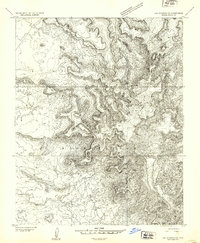 1953 Los Gigantes SE1954 Print · USGSThe Navajo Nation in Apache County is captured here in the early fifties, showcasing a landscape defined by dramatic geological formations. Researchers can trace the rugged topography of Mexican Cry and the distinct plateaus of West Mesa and East Mesa.
 - 1953 Map of Los Gigantes SW, 1954 Print
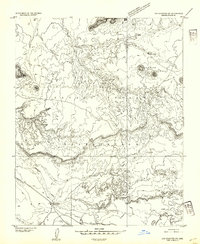 1953 Los Gigantes SW1954 Print · USGSThe Navajo Indian Reservation comes into focus during the early fifties, showing the remote settlement patterns of northeast Arizona. Researchers can locate the Round Rock Trading Post and trace water sources like Hasbidito Spring and Lukachukai Creek.
 - 1953 Map of Los Gigantes Buttes, 1956 Print
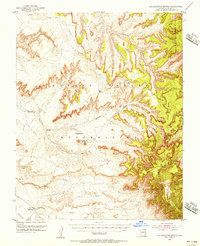 1953 Los Gigantes Buttes1956 Print · USGSThe Navajo reservation landscape of the early fifties was a world of remote trading posts and ancient landmarks. Genealogists and historians can locate the Lukachukai Trading Post, the Ruin site, and the high-altitude Mine workings near Los Gigantes Buttes.2 unique versions available
 - 1953 Map of Redrock Valley, 1956 Print
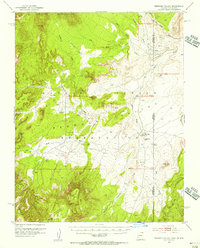 1953 Redrock Valley1956 Print · USGSThe Navajo Nation's high-desert country comes into focus in the early fifties, where the Arizona and New Mexico borders meet. Geologists and local historians can trace the foundations of Red Rock and Black Rock, or locate early Mines and the remote Cove Sch.2 unique versions available
 - 1954 Map of Shiprock
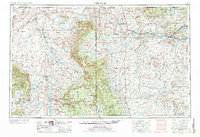 1954 Shiprock1954 Print · USGSThe Four Corners region in the mid-fifties reveals a vast landscape of tribal lands and desert landmarks. Researchers can trace the mid-century footprints of the Navajo Indian Reservation, identifying remote Trading Posts, the early growth of Farmington, and the iconic spire of Ship Rock.5 unique versions available
 - 1954 Map of Flagstaff, 1966 Print
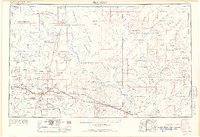 1954 Flagstaff1966 Print · USGSNorthern Arizona in the mid-fifties shows a landscape of volcanic peaks and ancestral mesa villages linked by the iconic U.S. 66. Trace the path of the Atchison Topeka and Santa Fe through Winslow or explore the settlements of Old Oraibi and Kearns Canyon.3 unique versions available
 - 1954 Map of Gallup, 1973 Print
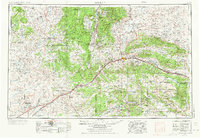 1954 Gallup1973 Print · USGSNative American tribal lands and the railroad corridor of the Southwest appear here at the midpoint of the century. Trace historic sites and remote settlements from Window Rock to the Fort Wingate Army Depot and Bibo.2 unique versions available
 - 1955 Map of Zith-Tusayan Butte 2 SE, 1957 Print
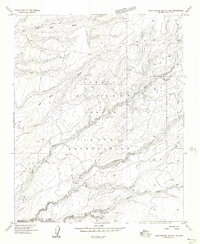 1955 Zith-Tusayan Butte 2 SE1957 Print · USGSThe Navajo Indian Reservation in the mid-1950s is defined here by the high elevations of the Defiance Plateau. Trace historical land use and water sources through labels for Kin-li-chee Creek, Ruin Wash, and isolated Spring locations.
 - 1955 Map of Chinle 4 NE, 1957 Print
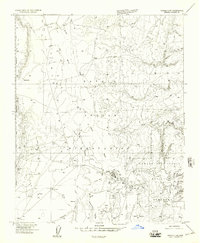 1955 Chinle 4 NE1957 Print · USGSThe Navajo heartland comes into focus in the mid-fifties as the settlement at Chinle thrives near the ancient White House Ruins. Researchers can trace early reservation infrastructure including a Landing Strip, the Chinle Cemetery, and several traditional trading posts.
 - 1955 Map of Zith-Tusayan Butte 2 SW, 1957 Print
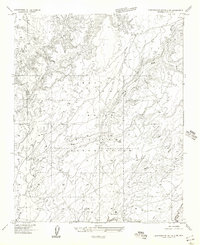 1955 Zith-Tusayan Butte 2 SW1957 Print · USGSThe Defiance Plateau within the Navajo Indian Reservation is captured here in the mid-1950s, showing a landscape shaped by seasonal water. Researchers can trace the courses of Lone Tule Wash and Sage House Wash or locate the site of Kin-li-chee.
 - 1955 Map of Zith-Tusayan Butte 2 NW, 1957 Print
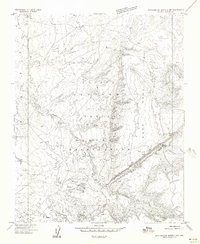 1955 Zith-Tusayan Butte 2 NW1957 Print · USGSThe Navajo Nation in Apache County is captured here in the mid-1950s, centered on the high desert terrain of the Defiance Plateau. Researchers can trace early infrastructure around the Nazlini Trading Post or locate ancient sites marked simply as Ruins along the Nazlini Wash.
 - 1955 Map of Chinle 4 SE, 1957 Print
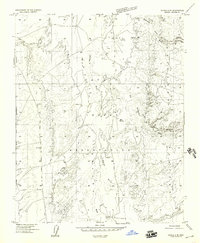 1955 Chinle 4 SE1957 Print · USGSThe Navajo Nation's high-plateau country comes to life in this mid-century survey of the Arizona interior. Researchers can trace ancestral sites at the Little White House Ruins and locate vital water sources like Mud Springs and Nazlini Wash.
Showing maps 1-25 of 436
Top cities near Chinle Agency
Top neighborhoods of Chinle Agency
- Rocky Ridge historical maps
- Upper Wheatfields historical maps
- Wheatfields historical maps
- Totshoh historical maps
- Many Farms historical maps
- Whippoorwill Springs historical maps
See more
Frequently asked questions
- What are the different types of historical maps available for Chinle Agency?
- What is the oldest map of Chinle Agency?
- Where can I purchase historical maps of Chinle Agency for my home or office?
- Where can I download high-res historical maps of Chinle Agency?
- Are there historical topographic maps available for Chinle Agency?
- Is there historical aerial imagery available for Chinle Agency?
- Where are historical maps of Chinle Agency sourced from?