Old Maps of Buckeye, Arizona for Academic Research
Study the evolution of Buckeye with 120 high-resolution historic maps. Whether you're teaching, researching, or modeling changes in land use, these maps provide essential visual documentation of urban, environmental, and geographic change.
- Analyze long-term change: Track patterns in development, transportation, and natural features.
- Ideal for environmental or urban studies: Support academic projects with primary historical map data.
- Use in the classroom or lab: Educators and researchers rely on these maps to bring historical context to life.
These maps are a powerful tool for teaching, research, and visualizing how Buckeye has changed over the decades.
Buckeye, AZ maps
(120)- 1946 Map of Avondale, 1963 Print
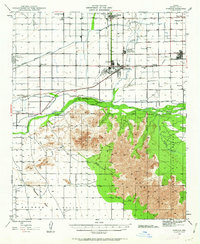 1946 Avondale1963 Print · USGSIn the postwar Salt River Valley, desert agriculture and military aviation began to reshape the landscape around Coldwater. Researchers can trace the early footprints of Litchfield Park, the U S Naval Air Facility, and rural sites like Liberty Siding.2 unique versions available
 - 1948 Map of Cashion
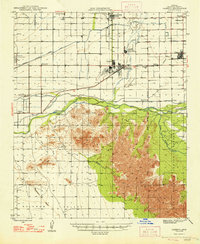 1948 Cashion1948 Print · USGSMaricopa County's western valley is captured here in the late 1940s as agricultural irrigation and military aviation began to reshape the desert. Researchers can locate early schools and aviation landmarks like Pendergast Sch, the U S Naval Air Facility, and the state's geographic Initial Point.2 unique versions available
 - 1951 Map of Mobile
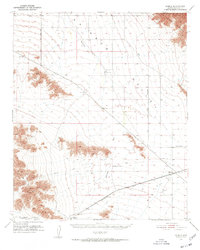 1951 Mobile1951 Print · USGSRainbow Valley and the surrounding desert peaks are captured here in the early 1950s, showing a landscape shaped by rail and stage routes. You can trace the historic Butterfield Stage Line and locate small rail sidings like Mobile and Estrella.3 unique versions available
 - 1951 Map of Cotton Center, 1952 Print
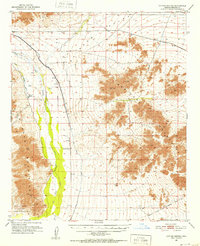 1951 Cotton Center1952 Print · USGSMaricopa County's desert ranching and irrigation systems are captured here in the early fifties, showing the vital role of the Gila River. Researchers can trace the historic Butterfield Stage Route and explore the agricultural layouts of Cotton Center and the Enterprise Ranch.2 unique versions available
 - 1951 Map of Woolsey Peak, 1952 Print
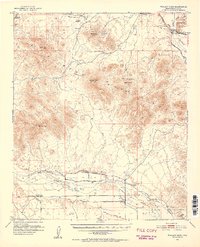 1951 Woolsey Peak1952 Print · USGSCentral Arizona desert ranching and irrigation are captured here in the early fifties. Researchers can trace the Gila River to find Gillespie Dam, the Buckeye Copper Mine, and Petroglyphs near the Warford Ranch.3 unique versions available
 - 1954 Map of Phoenix, 1964 Print
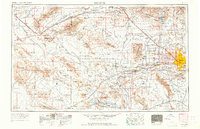 1954 Phoenix1964 Print · USGSMid-century Arizona is captured here as the Phoenix metropolitan area begins its rapid expansion into the surrounding desert. Genealogists and historians can trace the development of agricultural hubs like Buckeye and Tolleson, or locate remote landmarks like the Vulture Mine and Nottbusch Cem.5 unique versions available
 - 1957 Map of Phoenix
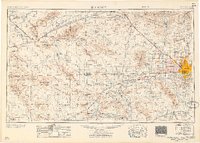 1957 Phoenix1957 Print · USGSGreater Phoenix and the central Arizona desert during the mid-fifties reveal a landscape of growing suburbs and active desert mines. Researchers can trace the legacy of local landmarks like Wickenburg Prison, the Vulture Mine, and the Tonopah Post Office.
 - 1957 Map of White Tank Mts. SE, 1958 Print
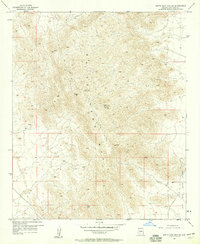 1957 White Tank Mts. SE1958 Print · USGSThe White Tank Mountains in the late 1950s served as a critical site for military testing and mid-century communications. Trace the old Jeep Trail to a remote Prospect or locate the high Microwave Radio Towers VABM 4018.5 unique versions available
 - 1957 Map of Valencia, 1958 Print
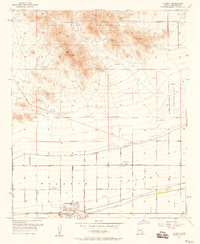 1957 Valencia1958 Print · USGSIn the mid-1950s, the Arizona desert near Valencia was a mix of ancient history, new military testing grounds, and irrigated farmland. Trace the irrigation lines of the Roosevelt Canal or locate the Petroglyphs and the White Tanks Proving Grounds.6 unique versions available
 - 1957 Map of Perryville, 1958 Print
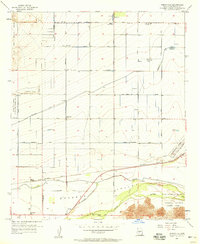 1957 Perryville1958 Print · USGSMaricopa County agriculture and irrigation were in full swing during the late fifties, long before modern suburban expansion. Genealogists and local historians can trace the early layout of Perryville and McMicken alongside complex networks of wells and reservoirs.5 unique versions available
 - 1957 Map of White Tank Mts. NE, 1958 Print
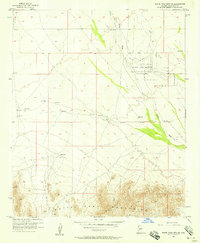 1957 White Tank Mts. NE1958 Print · USGSMaricopa County during the mid-1950s shows a desert landscape shaped by military aviation and the rising White Tank Mountains. Researchers can trace the layout of Luke Air Force Auxiliary Field No 1 and the small settlement of Wagner.4 unique versions available
 - 1957 Map of Waddell, 1958 Print
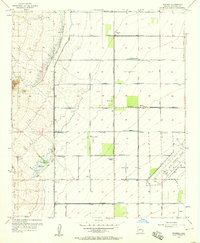 1957 Waddell1958 Print · USGSMaricopa County's western desert fringe comes alive in the late fifties, showing a landscape defined by military flight paths and mountain flood control. Trace the rail-side growth of Waddell and Fennemore or locate the early footprint of Luke Air Force Base.4 unique versions available
 - 1957 Map of Avondale SW, 1958 Print
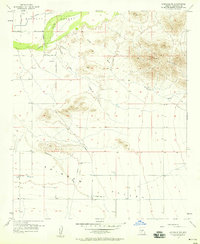 1957 Avondale SW1958 Print · USGSThe Gila River corridor and the Sierra Estrella foothills are captured here in the late fifties, showing the desert's early transition to managed infrastructure. Trace the early routes of Jackrabbit Trail and Lower River Road, or locate the Liberty Cem and various remote landing strips.5 unique versions available
 - 1957 Map of White Tank Mts., 1959 Print
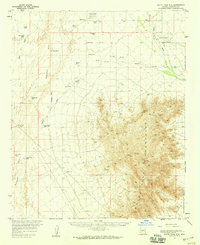 1957 White Tank Mts.1959 Print · USGSThe Sonoran Desert of Maricopa County is captured here in the late fifties, during a period of expanding military aviation and early telecommunications. Genealogists and desert historians can trace remote outposts like Dos Palmas Well and Luke Air Force Auxiliary Field No 1.3 unique versions available
 - 1958 Map of Phoenix
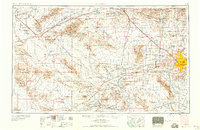 1958 Phoenix1958 Print · USGSThe Phoenix Valley enters a period of postwar expansion, where desert irrigation meets massive military aviation footprints. Trace the development of Phoenix and Glendale alongside the legendary Vulture Mine and the auxiliary runways of Luke Air Force Base.
 - 1958 Map of Buckeye NW, 1959 Print
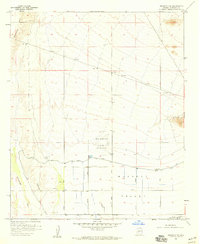 1958 Buckeye NW1959 Print · USGSMaricopa County during the late 1950s shows the precise transition between the wild Hassayampa River and the growing irrigation works of the Buckeye Valley. Researchers can trace the military footprint at Luke Auxiliary Field No 5 or locate historic extraction sites like the Blackhawk Mines.3 unique versions available
 - 1958 Map of Hassayampa, 1959 Print
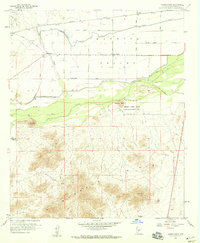 1958 Hassayampa1959 Print · USGSThe Buckeye Valley in the late 1950s shows a sophisticated landscape of desert irrigation and rail-linked settlements. Trace the agricultural development at Palo Verde, the operations of the Good Earth Mine, and the perimeter of Luke Auxiliary Field No 2.4 unique versions available
 - 1958 Map of Buckeye, 1959 Print
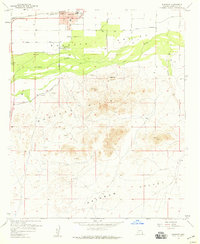 1958 Buckeye1959 Print · USGSThe agricultural heart of the Buckeye Valley and the rugged Buckeye Hills are captured here in the late fifties. Genealogists and historians can trace the early streets of Buckeye, locate the local H S, and find the historic Petroglyphs.4 unique versions available
 - 1958 Map of Buckeye, 1963 Print
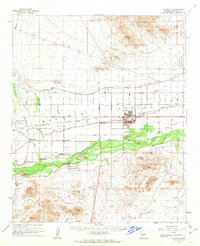 1958 Buckeye1963 Print · USGSIn the late fifties, the Buckeye Valley thrived as an irrigated agricultural heartland anchored by the Southern Pacific rail line. Researchers can trace the layout of small communities like Allenville and Palo Verde alongside the Roosevelt Canal and Blackhawk Mines.2 unique versions available
 - 1960 Map of Phoenix
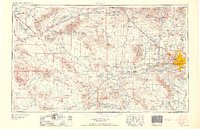 1960 Phoenix1960 Print · USGSCentral Arizona in the mid-fifties reveals a landscape of rapid suburban growth alongside enduring desert mining and ranching. Genealogists and historians can trace rail-side settlements like Vicksburg Junction and Waddell, or locate the Vulture Mine and early sites like Agua Fria School.
 - 1962 Map of Belmont Mts, 1963 Print
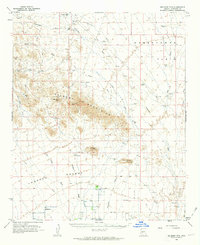 1962 Belmont Mts1963 Print · USGSMaricopa County's arid mining district comes into focus in the early sixties, showing the remote peaks and desert plains before modern expansion. Researchers can trace historic mining operations at the Tonopah-Belmont Mine and find isolated ranching life at Hovis Ranch.2 unique versions available
 - 1962 Map of Arlington, 1964 Print
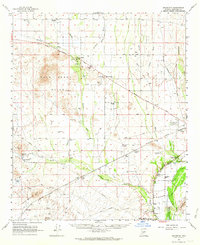 1962 Arlington1964 Print · USGSArlington and the lower Hassayampa River valley are shown here in the early sixties as a burgeoning agricultural and transit corridor. Researchers can trace the Southern Pacific rail line, locate the Arlington School, and find historical sites like the Winters Wells site and ancient Petroglyphs.2 unique versions available
 - 1965 Map of Wickenburg SW, 1967 Print
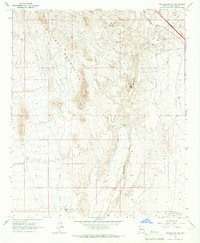 1965 Wickenburg SW1967 Print · USGSCentral Arizona's desert landscape was a hub for mining and aviation in the mid-sixties. Trace historical sites like the Smith Mill (Site), explore the Vulture Mountains, and locate early airfields such as Luke Auxiliary Field No 4.3 unique versions available
 - 1969 Map of Phoenix, 1970 Print
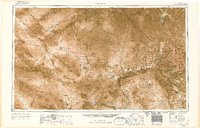 1969 Phoenix1970 Print · USGSCentral Arizona is seen at a technological turning point in the late sixties, using Apollo 9 space photography to map the desert landscape. Researchers can trace the growth of Sun City, locate old workings at Vulture Mine, and follow the Gila River past Buckeye.2 unique versions available
 - 1971 Map of Phoenix
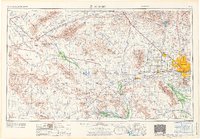 1971 Phoenix1971 Print · USGSCentral Arizona at the start of the seventies shows a desert metropolis expanding toward the Sun Valley retirement boom. Trace the growth of Sun City and Glendale, or locate remote historic sites like the Vulture Gold Mine and Nottbusch Cemetery.
Showing maps 1-25 of 120
Top cities near Buckeye
- Glendale historical maps
- Peoria historical maps
- Surprise historical maps
- Goodyear historical maps
- Estrella historical maps
- Citrus Park historical maps
Top neighborhoods of Buckeye
- Verrado historical maps
- Conger historical maps
- Tartesso historical maps
- Blue Horizons historical maps
- Floreo At Teravalis historical maps
- Copper Falls historical maps
See more
Frequently asked questions
- What are the different types of historical maps available for Buckeye?
- What is the oldest map of Buckeye?
- Where can I purchase historical maps of Buckeye for my home or office?
- Where can I download high-res historical maps of Buckeye?
- Are there historical topographic maps available for Buckeye?
- Is there historical aerial imagery available for Buckeye?
- Where are historical maps of Buckeye sourced from?