2000s (21st Century) Maps of Greene County, Arkansas
Explore 98 historic maps of Greene County from the 2000s (21st Century). These maps offer a rare glimpse into what life looked like during the 2000s — showing old roads, neighborhoods, homes, and landmarks that have changed or disappeared over time.
Whether you're researching your family's past, planning a metal detecting trip, or studying how Greene County's landscape evolved across the 2000s, these high-resolution maps are a powerful tool for exploring the history of this region.
- Focus on a specific era: All maps on this page are from the 2000s, giving you a focused view of this time period.
- See what’s changed: Compare century-old streets, trails, and buildings to today's modern landscape using overlays and satellite layers.
- Research with precision: Use these maps for genealogy, historical research, land use analysis, or educational projects.
- View, download, or print: Maps are fully viewable online in high resolution, and can be downloaded or printed for your own records.
Start exploring Greene County's history through authentic maps from the 2000s. This is your window into the past.
Greene County, AR maps
(98)- 2011 Map of Bono, 2011 Print
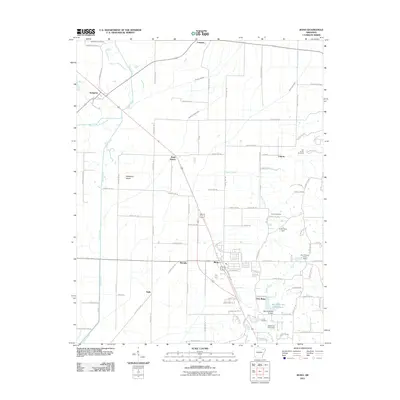 2011 Bono2011 Print · USGSSettlements and small-scale water management define this Craighead County landscape in 2011 as it transitions from the Cache River wetlands to productive farmland. Researchers can trace local history through sites like the Old Military Cemetery, Pauls Switch, and the community of Fiftysix.
 - 2011 Map of Dixie, 2011 Print
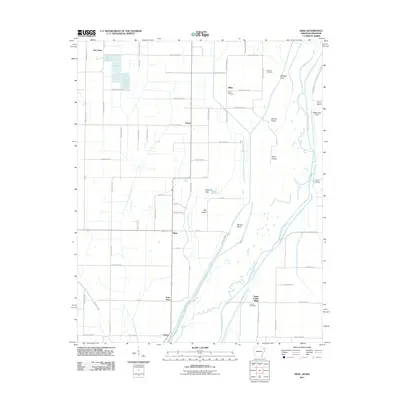 2011 Dixie2011 Print · USGSNortheast Arkansas at the turn of the century shows a landscape of river islands and agricultural settlements linked by an extensive county road network. Genealogists can locate family burial sites at Miller Cemetery and Burrow Cemetery or trace the early footprints of Dixie and Lester.
 - 2011 Map of Lorado, 2011 Print
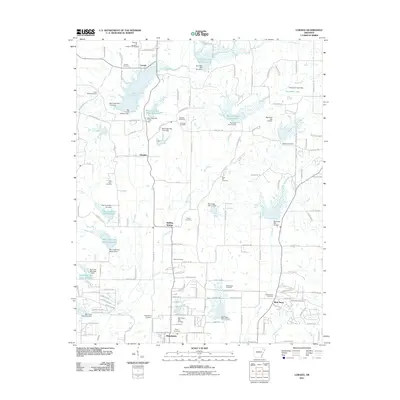 2011 Lorado2011 Print · USGSNorth of Jonesboro in the early 2010s, this area shows a landscape heavily shaped by civil engineering and rural tradition. Researchers can locate numerous family burial grounds like Caldwell Cemetery and trace the many reservoirs along Big Creek.
 - 2011 Map of Delaplaine, 2011 Print
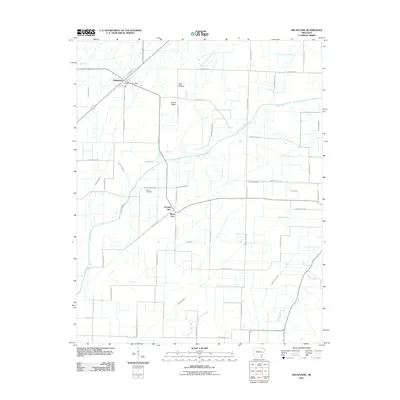 2011 Delaplaine2011 Print · USGSThe agricultural landscape of the Arkansas Delta is captured here just after the millennium, showing the rural communities of Delaplaine and Evening Star. Researchers can trace local heritage at Jones Ridge Cemetery or follow the complex drainage of the Cache River.
 - 2011 Map of Cardwell, 2011 Print
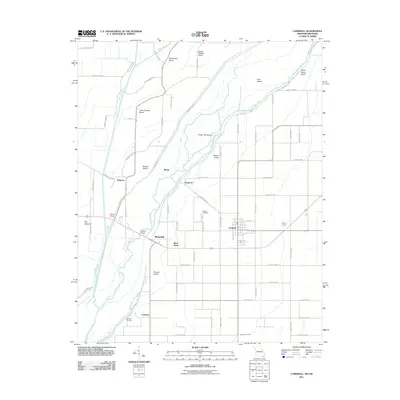 2011 Cardwell2011 Print · USGSIn the Missouri Bootheel at the turn of the decade, the river and its many islands define local life. Researchers can trace rural lineages through Parsell Cemetery and Cochran Cemetery or locate old settlements like Brighton and Buck Donic.2 unique versions available
 - 2011 Map of Mounds, 2011 Print
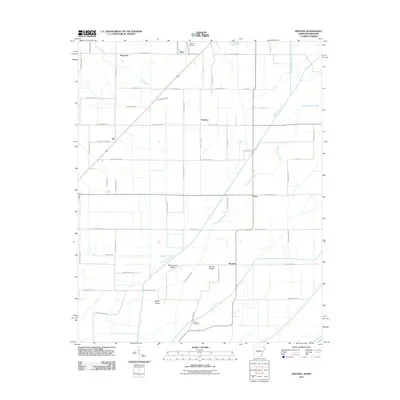 2011 Mounds2011 Print · USGSGreene County’s agricultural heartland is captured here in the early twenty-first century, showing the intricate network of drainage and rural roads. Genealogists and local historians can trace the areas around Reddick Cemetery, Horse Island Ridge, and the community of Mounds.
 - 2011 Map of Rector, 2011 Print
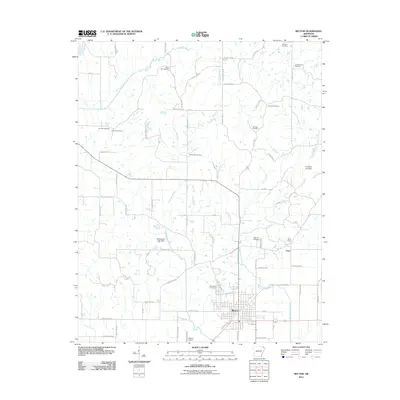 2011 Rector2011 Print · USGSRector and its surrounding Clay County farmlands are captured in the early twenty-first century, showcasing a transition from town to creek-fed countryside. Local historians can trace family sites at Woodland Cemetery, Marys Chapel, and the small settlement of Pratt.
 - 2011 Map of Lafe, 2011 Print
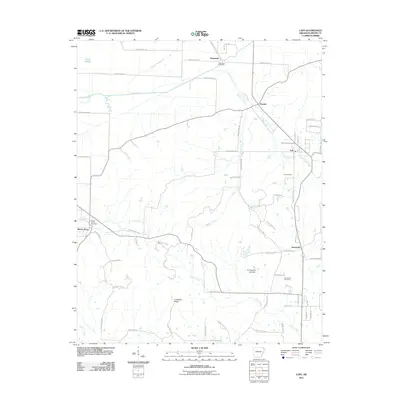 2011 Lafe2011 Print · USGSGreene County is shown at the start of the 2010s, where the elevated Crowleys Ridge meets the agricultural flatlands. Researchers can trace rural lineages at Saint Johns Cemetery or locate the historic Stonewall Post Office and Beech Grove.
 - 2011 Map of Walnut Ridge SE, 2011 Print
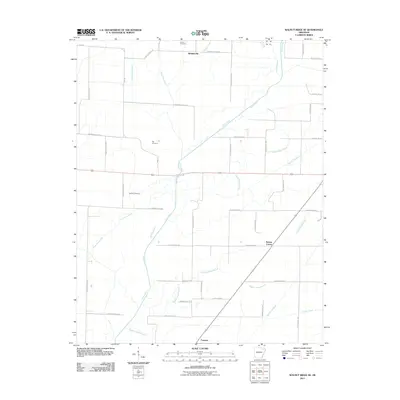 2011 Walnut Ridge SE2011 Print · USGSGreene and Lawrence counties in the early twenty-first century reveal a landscape defined by the Cache River and its vast drainage network. Researchers can locate family landmarks like Fender Cemetery or trace the early paths of Whiskerville and Fontaine.
 - 2011 Map of Boydsville, 2011 Print
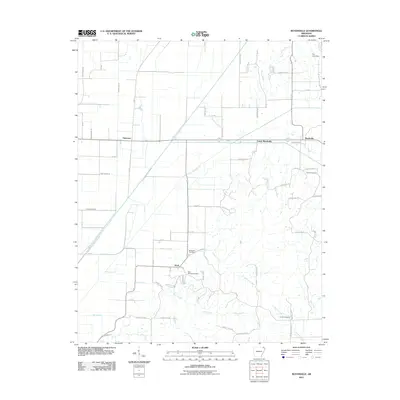 2011 Boydsville2011 Print · USGSThe rural landscape near Boydsville is shown in detail during the early twenty-first century, revealing a complex web of agricultural drainage ditches and natural creeks. Genealogists can locate Salem Cemetery, Rock Springs Cemetery, and the community of Knob.
 - 2011 Map of Peach Orchard, 2011 Print
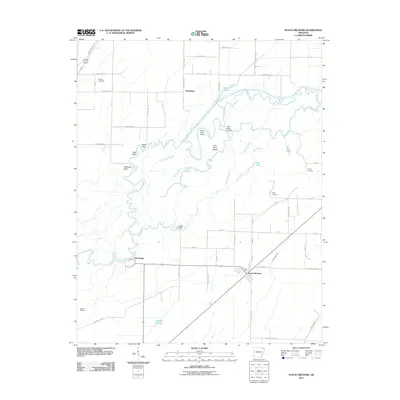 2011 Peach Orchard2011 Print · USGSNortheast Arkansas in the early twenty-first century is defined by its winding river systems and rural settlements. Genealogists and local historians can trace family locations near Peach Orchard or locate several community burial grounds including Nelson Cemetery and Allen Cemetery.
 - 2011 Map of Senath, 2011 Print
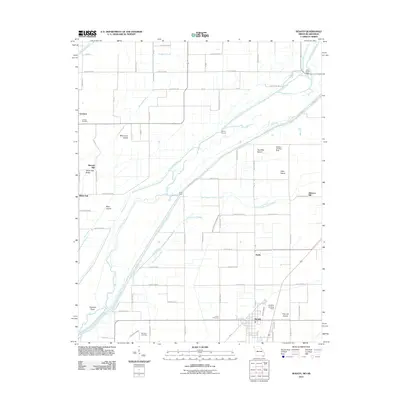 2011 Senath2011 Print · USGSDunklin County and the Arkansas borderlands appear in the early 2000s as a managed landscape of drainage canals and small settlements. Genealogists and local historians can locate Leonard Cemetery, Mitchell Mill, and the small community of White Oak.2 unique versions available
 - 2011 Map of Reyno, 2011 Print
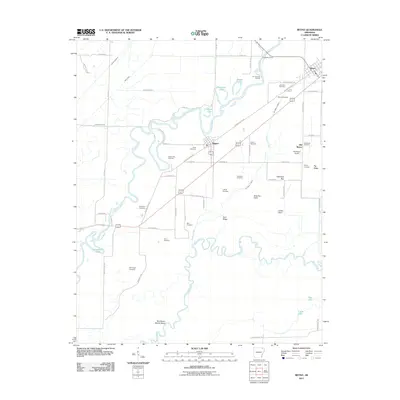 2011 Reyno2011 Print · USGSRandolph County's river-driven geography is documented here at the start of the 2010s, centered on the communities of Biggers and Reyno. Genealogists and local historians can trace family ties through numerous sites like Old Reyno Cemetery and Yellow Hall Cemetery, or locate old river crossings at Richardson Ferry.
 - 2011 Map of Brookland, 2011 Print
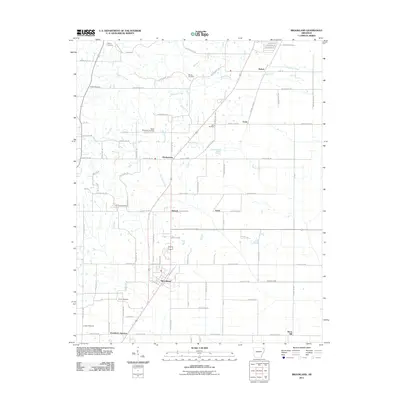 2011 Brookland2011 Print · USGSThe rural outskirts of Jonesboro come into focus in the early 2010s, showing a landscape defined by the Missouri Pacific rail line. Researchers can trace family history through numerous burial sites like Sweet Moments Cemetery and Pine Log Cemetery.
 - 2011 Map of Knobel, 2011 Print
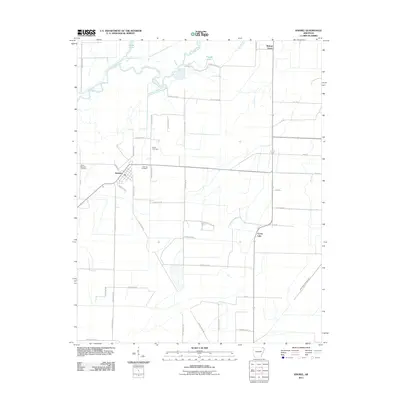 2011 Knobel2011 Print · USGSKnobel and its surrounding Clay County farmlands are documented here at the start of the twenty-first century. Researchers can locate family sites near Saint Bernard Cemetery, trace the winding Black River, or find the settlement of Walnut Grove.
 - 2011 Map of O'Kean, 2011 Print
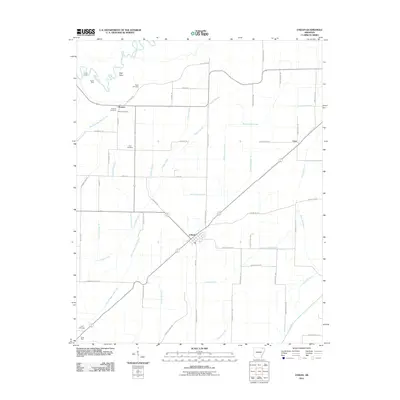 2011 O'Kean2011 Print · USGSThe lowland landscape of O'Kean and Sharum is captured here in the early twenty-first century, revealing an intricate network of drainage laterals and historic family settlements. Genealogists can locate several local burial sites including Liberty Cemetery, Ford Cemetery, and Frye Cemetery.
 - 2011 Map of Paragould East, 2011 Print
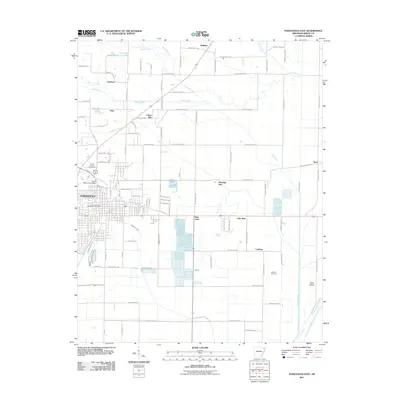 2011 Paragould East2011 Print · USGSIn Greene County during the early twenty-first century, the city of Paragould expanded eastward along the historic Cotton Belt rail line. Genealogists and local historians can trace family locations near Coffman Cemetery or the settlements of Morning Star and Noxburn.
 - 2011 Map of Marmaduke, 2011 Print
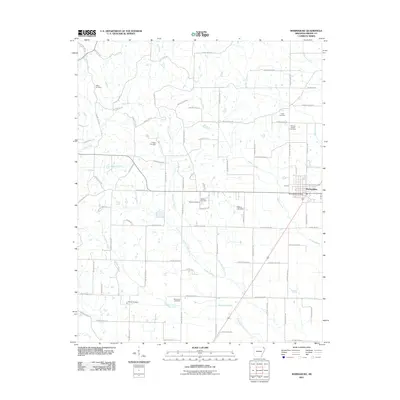 2011 Marmaduke2011 Print · USGSGreene County, Arkansas, appears here in the early twenty-first century, showing a landscape defined by organized farming and rural townships. Genealogists can locate several local burial sites, including Harveys Chapel Cemetery, Talken Cemetery, and Old Liberty Cemetery.
 - 2011 Map of Paragould West, 2011 Print
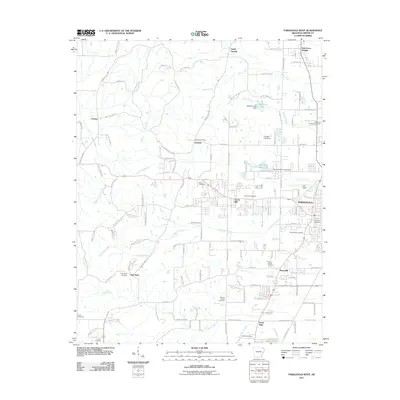 2011 Paragould West2011 Print · USGSThe western expansion of Greene County is captured in the early 2000s, showing the residential and rural patterns around the city. Researchers can trace local heritage at Linwood Cemetery or locate family-named crossroads like Pine Knot and Rock Hill.
 - 2011 Map of Walcott, 2011 Print
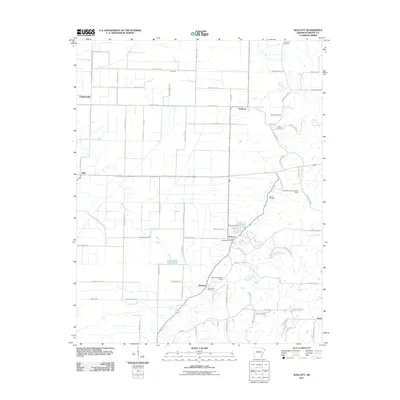 2011 Walcott2011 Print · USGSGreene County agriculture and community life are well-documented here in the early twenty-first century. Genealogists and local historians can trace family locations near Walcott Post Office, Bethel Cemetery, and the historic crossroads at Stanford or Finch.
 - 2014 Map of Brookland, 2014 Print
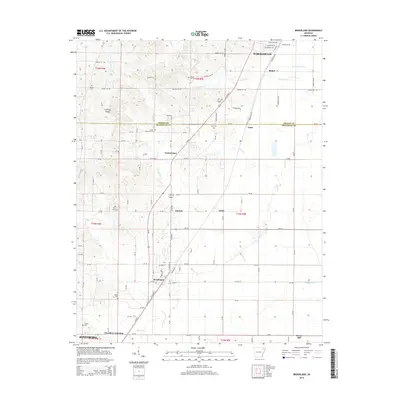 2014 Brookland2014 Print · USGSNortheast Arkansas unfolds along the Greene and Craighead county line during a period of steady rural development. Genealogists and local historians can locate several family cemeteries such as Pine Log Cem and settlements like Goobertown and Antioch.
 - 2014 Map of Dixie, 2014 Print
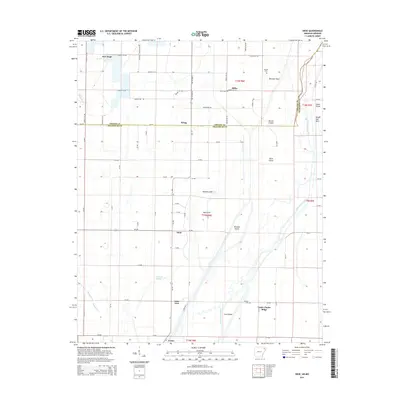 2014 Dixie2014 Print · USGSNortheastern Arkansas at the turn of the 2010s shows a landscape of river-fed islands and rural settlements along the Greene and Craighead county line. Trace local family history through the sites of Parsons Cem, Dixie, and the banks of the Saint Francis River.
 - 2014 Map of Bono, 2014 Print
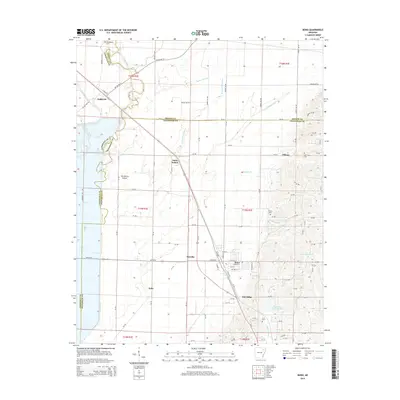 2014 Bono2014 Print · USGSBono and the surrounding tricounty area appear here in the early twenty-first century as a landscape defined by the BNSF rail corridor and the Cache River bottoms. Researchers can trace rural cemeteries and local crossroads like Old Military Cem, Pauls Switch, and Dorothy.
 - 2014 Map of Lorado, 2014 Print
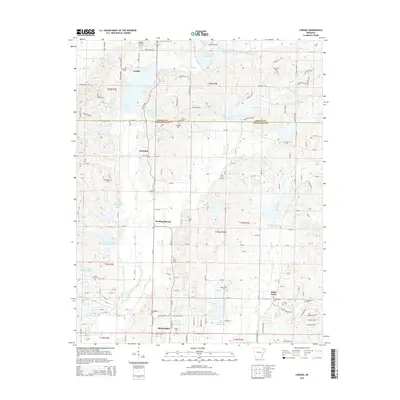 2014 Lorado2014 Print · USGSNortheast Arkansas’s distinctive upland terrain is captured here at the turn of the decade, where the Greene and Craighead county lines meet. Researchers can trace rural lineages through local landmarks like Lorado Cem, Philadelphia, and the uniquely named Buck Snort.
 - 2014 Map of Reyno, 2014 Print
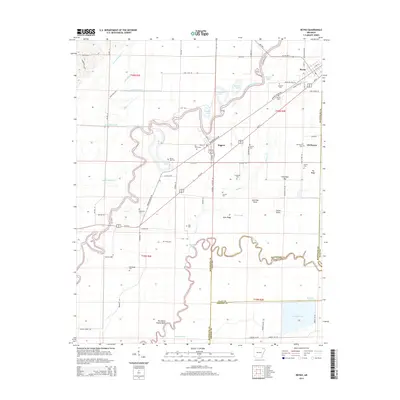 2014 Reyno2014 Print · USGSReyno and Biggers are situated at a complex junction of the Current and Black Rivers in these early 21st-century surveys. Researchers can locate numerous family-named burial grounds like Johnston Cem and Scott Cem or trace the early settlement at Old Reyno.
Showing maps 1-25 of 98
Top cities of Greene County
- Paragould historical maps
- Marmaduke historical maps
- Oak Grove Heights historical maps
- Lafe historical maps
- Delaplaine historical maps
Frequently asked questions
- What are the different types of historical maps available for Greene County?
- What is the oldest map of Greene County?
- Where can I purchase historical maps of Greene County for my home or office?
- Where can I download high-res historical maps of Greene County?
- Are there historical topographic maps available for Greene County?
- Is there historical aerial imagery available for Greene County?
- Where are historical maps of Greene County sourced from?