Old Maps of Logan County, Arkansas for Hiking & Exploration
Hike through history with 183 historic maps of Logan County. Explore old trails, ghost towns, and forgotten backroads — perfect for outdoor adventurers and local explorers.
- Rediscover forgotten places: Map out old mining camps, roads, and footpaths that no longer exist on modern maps.
- Layer with modern tools: Combine with LiDAR or satellite views to plan hikes through historical terrain.
- Made for exploration: Popular among hikers, overlanders, and local history lovers.
Use these maps to find adventure and explore the hidden past of Logan County.
Logan County, AR maps
(183)- 1879 Map of Mountain Home
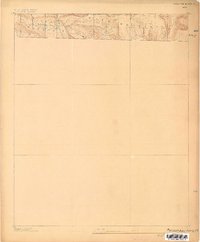 1879 Mountain Home1879 Print · USGSLogan, Arkansas, is captured during the late nineteenth-century push to map the Ozark interior. Researchers can trace family-named landmarks and water sources like Cotton's Cove, Jake's Cr., and Calico Mountain before modern development.
 - 1887 Map of Magazine Mountain #1
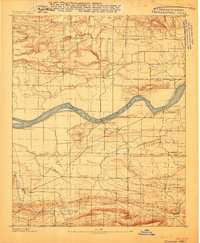 1887 Magazine Mountain #11887 Print · USGSThe Arkansas River valley in the late 1880s is captured here just as the railroad began reshaping the local economy. Genealogists and researchers can trace early homesteads and rail stops through Paris, Coal Hill, and the river landings at Pattersons Bluff.
 - 1887 Map of Magazine Mountain #4
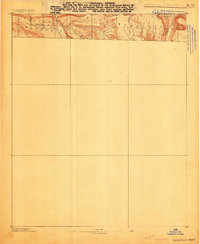 1887 Magazine Mountain #41887 Print · USGSLogan County, Arkansas, appears in this late nineteenth-century survey during the height of the state's early geological studies. Researchers can trace the high-elevation terrain of Calico Mountain and the specific local geography of Cotton's Cove.
 - 1887 Map of Magazine Mountain #2
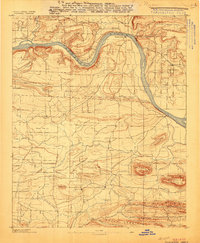 1887 Magazine Mountain #21887 Print · USGSThe Arkansas River valley and its late-19th-century rail corridor are meticulously detailed in this survey of Franklin County. Genealogists can locate family names and vanished sites across Staked Prairie or explore old river and rail towns like Webb City and Altus.
 - 1887 Map of Magazine Mountain #3
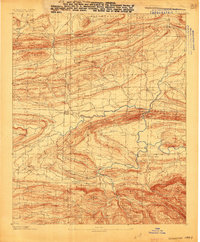 1887 Magazine Mountain #31887 Print · USGSLogan County, Arkansas, appears in the late nineteenth century as a series of pioneer settlements and steep ridgelines. Genealogists and historians can trace early footprints at Booneville and Golden City, or locate the specific topography of Huckleberry Mt. and Chismville.
 - 1887 Map of Magazine Mountain
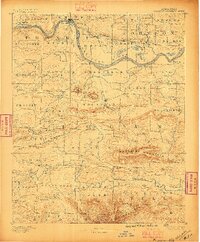 1887 Magazine Mountain1887 Print · USGSNorthwest Arkansas in the 1880s is defined here by the river-and-rail economy along the Arkansas River valley. Genealogists and historians can trace long-forgotten post offices like Burnett Springs and early rail stops such as Coal Hill.
 - 1888 Map of Dardanelle #2
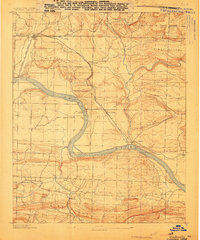 1888 Dardanelle #21888 Print · USGSJohnson County’s river-and-rail economy is captured here in the late 1880s as the Little Rock & Fort Smith R. R. spurred growth along the Arkansas River. Genealogists and researchers can trace early homesteads near Knoxville, find the river Ferry, and locate settlements like Lutherville and Blaine.
 - 1888 Map of Dardanelle #3
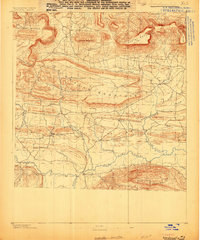 1888 Dardanelle #31888 Print · USGSYell County in the late 1880s was a land of prominent ridges and small valley settlements. Genealogists can trace family roots through rural post offices and early townships like Hobert P.O., Belleville, and the landmarks around Chickalah Mountain.
 - 1890 Map of Magazine Mountain
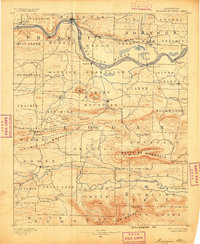 1890 Magazine Mountain1890 Print · USGSThe Arkansas River Valley is captured here in the late nineteenth century as rail transport begins to eclipse river travel. Genealogists can trace early homesteads and community hubs like Paris, Booneville, and the remote Burnett Springs.6 unique versions available
 - 1890 Map of Fort Smith
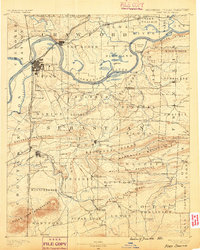 1890 Fort Smith1890 Print · USGSThe Arkansas-Indian Territory border was a landscape of rapid transition in the late nineteenth century. Genealogists and historians can trace early post offices like Jenny Lind P.O. and Oak Bower (Lavaca P.O.) or follow the path of the St. Louis and San Francisco Railroad.7 unique versions available
 - 1890 Map of Dardanelle
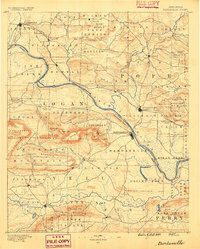 1890 Dardanelle1890 Print · USGSThe Arkansas River valley was a primary corridor of settlement in the 1890s, anchored by the river towns of Dardanelle and Russellville. Genealogists can locate early homesteads near Mt. Nebo, Lutherville, or the old post office at Chickalah.7 unique versions available
 - 1906 Map of Barber
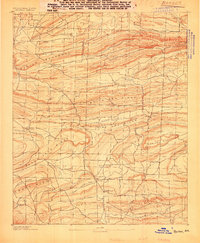 1906 Barber1906 Print · USGSSebastian County’s ridges and valley settlements are shown here at the start of the twentieth century, during a time of rural expansion. Researchers can trace early family sites and commerce through landmarks like the Toll Bridge and settlements such as Burnville and Sulphur Spring.
 - 1934 Map of Booneville
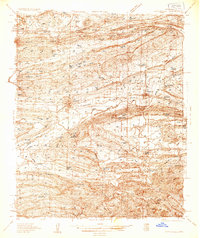 1934 Booneville1934 Print · USGSLogan County during the mid-1930s reveals a network of small Arkansas settlements and mountain ridges connected by the Rock Island line. Researchers can trace family history through sites like the State Sanitarium, Wesley Chapel, and the Rocky Springs Cem.2 unique versions available
 - 1939 Map of Booneville
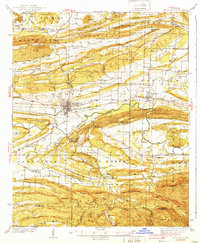 1939 Booneville1939 Print · USGSThe Logan County countryside thrives in the 1930s as a crossroads of the Rock Island railroad and the Petit Jean Creek valley. Genealogists can locate family landmarks like Harvel Cem, the State Sanatorium, and local schools including Shady Grove Sch.3 unique versions available
 - 1943 Map of Fort Smith
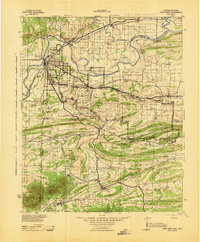 1943 Fort Smith1943 Print · USGSFort Smith and the Arkansas River valley are shown here during the height of the Second World War as the region became a major military hub. Genealogists and researchers can locate several rural schools and churches, such as St Marys School and Pleasant Ridge Church and Cem, alongside industrial sites like the Strip Mine and Smelter.
 - 1946 Map of Fort Smith
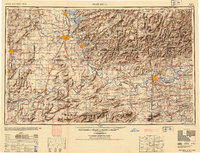 1946 Fort Smith1946 Print · USGSThe Arkansas-Oklahoma borderlands appear here in the mid-forties, as new reservoirs began to transform the river valleys. Genealogists and historians can trace rail-served towns from Muskogee to Fort Smith and locate landmarks like Camp Chaffee.
 - 1947 Map of Barber, 1954 Print
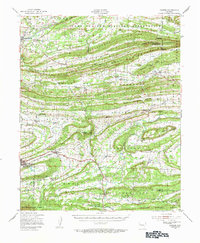 1947 Barber1954 Print · USGSSebastian County and the surrounding ridges are captured in the late 1940s, showing the intersection of military expansion and rural Arkansas life. Genealogists and historians can trace family locations through Union Ridge Cem, Milltown, and Liberty Ch.
 - 1947 Map of Barber, 1973 Print
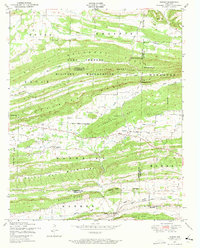 1947 Barber1973 Print · USGSIn the mid-forties, the Arkansas landscape south of the Arkansas River was defined by the expansion of military grounds and the enduring ridge-top settlements. Researchers can find old burial sites like Spencer Cemetery and trace the Chicago Rock Island and Pacific rail line through Barber.2 unique versions available
 - 1947 Map of Ione, 1976 Print
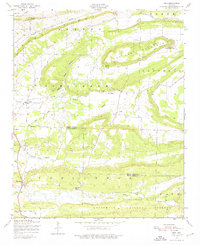 1947 Ione1976 Print · USGSThe Petit Jean River valley at the Logan and Scott county line is shown here just after the war. Researchers can locate family landmarks like Earl Prairie District School No 66, French Prairie Cemetery, and the old gin mill near Lucas.2 unique versions available
 - 1947 Map of Burnville, 1978 Print
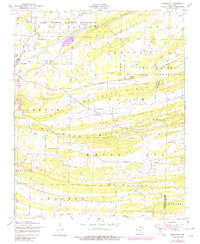 1947 Burnville1978 Print · USGSSebastian County and Logan County intersect here in the late 1940s as the military and rural farming communities exist side-by-side. Genealogists can trace family footprints at Burnville School, Liberty Church, and Lone Star Cemetery.
 - 1948 Map of Abbott
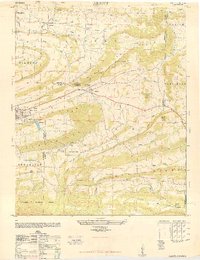 1948 Abbott1948 Print · USGSWestern Arkansas at the end of the 1940s reveals a landscape of ridges and rail-side towns along the Rock Island line. Genealogists and local historians can trace family roots through sites like Pine Grove Valley, Crossroads School, and Cantrell Cemetery.4 unique versions available
 - 1951 Map of Ione
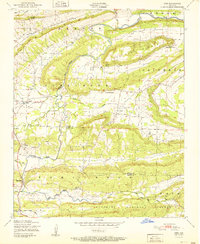 1951 Ione1951 Print · USGSLogan and Scott Counties appear at the start of the 1950s, showing a landscape defined by the winding Petit Jean Creek and the southern Ouachita National Forest. Researchers can locate old community hubs like Ione, Elm Park, and the French Prairie Cemetery.2 unique versions available
 - 1951 Map of Burnville
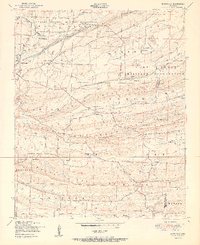 1951 Burnville1951 Print · USGSSebastian and Logan counties appear in the early fifties as the military presence at Camp Chaffee met the rural life of Burnville. Genealogists can trace early homesteads and landmarks like Liberty Church, Milltown, and the Burnville School.2 unique versions available
 - 1951 Map of Barber
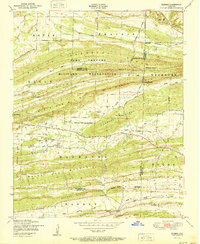 1951 Barber1951 Print · USGSThe Arkansas Ozark foothills meet military history in the early fifties, where the Camp Chaffee Military Reservation borders rural communities. Genealogists can locate family landmarks like Spencer Cemetery, Mebane Cemetery, and the small settlement of Barber.2 unique versions available
 - 1956 Map of Russellville
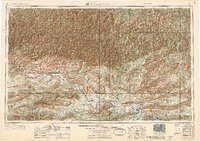 1956 Russellville1956 Print · USGSThe Arkansas River valley and the surrounding Boston Mountains are captured here in the mid-fifties, showing a landscape of small timber towns and new reservoirs. Genealogists can trace family roots through upland settlements like Pelsor and Witts Springs or locate the campus of Arkansas Polytechnic College.2 unique versions available
Showing maps 1-25 of 183
Top cities of Logan County
- Booneville historical maps
- Paris historical maps
- Magazine historical maps
- Subiaco historical maps
- Caulksville historical maps
- Scranton historical maps
See more
Frequently asked questions
- What are the different types of historical maps available for Logan County?
- What is the oldest map of Logan County?
- Where can I purchase historical maps of Logan County for my home or office?
- Where can I download high-res historical maps of Logan County?
- Are there historical topographic maps available for Logan County?
- Is there historical aerial imagery available for Logan County?
- Where are historical maps of Logan County sourced from?