Old Maps of Seward Township, Illinois
Explore 24 old maps of Seward Township, spanning from 1892 to today. These high-resolution historic maps reveal how streets, neighborhoods, landmarks, and natural features evolved over time — perfect for genealogy, metal detecting, research, and local history exploration.
What you can do with these maps:
- See how Seward Township changed over time: Compare historical maps to modern-day views to trace roads, homesites, rail lines & more.
- View detailed metadata: Each map includes creators, publishers, year, scale, and archive source.
- Overlay maps with satellite & LiDAR: Visualize the past alongside modern tools to explore terrain & human change.
- Trusted historical sources: Maps sourced from the USGS, Library of Congress, and other archives.
- Access maps your way: View online, download high-res files, or order prints for personal or research use.
Start exploring old maps of Seward Township to uncover forgotten places, hidden landmarks, and the deep history beneath your feet.
Seward Township, IL maps
(24)- 1892 Map of Morris
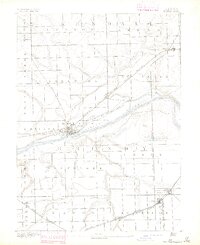 1892 Morris1892 Print · USGSGrundy County thrives as a transportation nexus in the 1890s, where the legendary canal system meets a growing web of iron rails. Trace early industrial footprints in Coal City or follow the path of the Illinois and Michigan Canal through Morris.3 unique versions available
 - 1918 Map of Morris
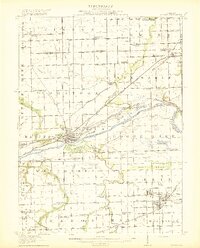 1918 Morris1918 Print · USGSGrundy County at the end of the Great War is a landscape defined by the Illinois River and a bustling coal industry. Researchers can trace historic school districts like Jugtown School, the path of the Michigan and Illinois Canal, and early mining settlements such as Carbon Hill and Eileen.3 unique versions available
 - 1925 Map of Yorkville
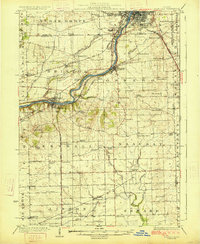 1925 Yorkville1925 Print · USGSKendall County in the mid-twenties shows a landscape of river-valley commerce and a dense network of interurban electric rail lines. Genealogists can locate family-named schoolhouses like Tamarack School and rural hubs such as Platteville and Helmar.2 unique versions available
 - 1953 Map of Yorkville SE, 1955 Print
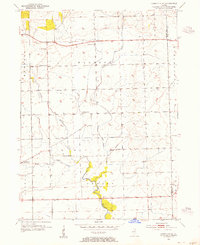 1953 Yorkville SE1955 Print · USGSIn the early 1950s, the rural border between Kendall and Will counties remained a landscape of family farms and local school districts. Genealogists can locate community landmarks such as Naausay Cem, Marysville Sch, and the village of Plattville.3 unique versions available
 - 1954 Map of Minooka, 1955 Print
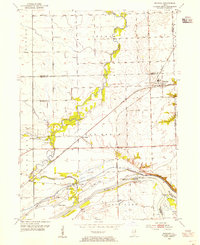 1954 Minooka1955 Print · USGSThe rail-and-river crossroads at Minooka are captured here in the 1950s, documenting a landscape shaped by three major rivers and heavy industry. Genealogists and researchers can locate St Marys Cem, trace the canal to the Aux Sable Lock, or find family-named sites like Walley Sch.4 unique versions available
 - 1954 Map of Yorkville, 1959 Print
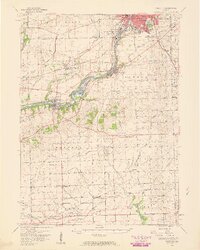 1954 Yorkville1959 Print · USGSKendall County in the mid-1950s shows a balance between growing riverside towns and an expansive agricultural interior. Genealogists can trace family roots through rural landmarks like Naausay Ch, Jericho Cem, and the long-standing diagonal of the Old Indian Boundary.2 unique versions available
 - 1954 Map of Morris, 1960 Print
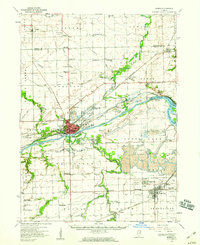 1954 Morris1960 Print · USGSGrundy County in the mid-fifties is a landscape of industrial transition, where coal mining and river navigation drive local growth. Researchers can trace the extensive Strip Mine works around Coal City or locate family roots at Evergreen Cem and Sulphur Springs Sch.2 unique versions available
 - 1958 Map of Aurora, 1969 Print
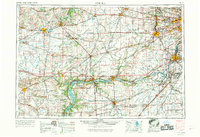 1958 Aurora1969 Print · USGSNorthern Illinois in the late fifties shows a landscape of powerful river industry and expanding transport corridors. Genealogists and historians can trace the development of Aurora and Joliet or locate sites like the Elwood Ordnance Plant and Starved Rock.3 unique versions available
 - 1961 Map of Aurora
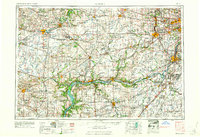 1961 Aurora1961 Print · USGSNorthern Illinois at the height of the post-war era reveals a landscape of massive industrial works and thriving river towns. Genealogists and historians can trace the paths of the Lincoln Highway or locate long-standing landmarks like the Green River Ordnance Plant and Starved Rock State Park.
 - 1985 Map of Ottawa
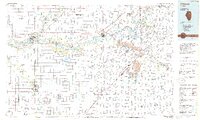 1985 Ottawa1985 Print · USGSThe Illinois River valley in the mid-1980s shows a landscape balancing river commerce with sprawling energy and mining operations. Researchers can trace the layout of mining towns like Coal City or find family landmarks such as Oakwood Memorial Cem and Smiths Mound.
 - 1985 Map of Aurora, 1989 Print
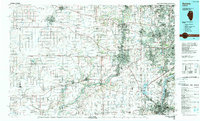 1985 Aurora1989 Print · USGSNortheastern Illinois is captured in the mid-1980s as suburban growth began to bridge the gap between the Fox River cities and the outer prairies. Researchers can trace the development of Naperville and Aurora or locate rural landmarks like Fairview Cem and the Illinois and Michigan Canal.
 - 1991 Map of Ottawa
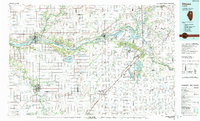 1991 Ottawa1991 Print · USGSNorth-central Illinois in the early nineties remains a vital corridor of river commerce and heavy rail. Genealogists and historians can trace the legacy of industrial mining near Morris or explore the river-bluff geography of Starved Rock State Park and Buffalo Rock.
 - 1993 Map of Minooka, 1994 Print
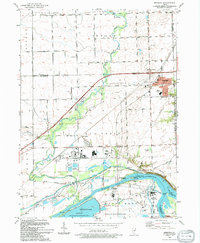 1993 Minooka1994 Print · USGSMinooka and its river-bound neighbors appear here in the early nineties, showing a landscape defined by massive industrial works and deep prairie roots. Trace the intersection of old and new through the Dresden Station Nuclear Powerplant, the Illinois and Michigan Canal State Trail, and St Marys Cem.
 - 1993 Map of Yorkville SE, 1994 Print
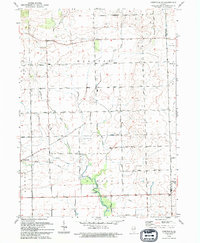 1993 Yorkville SE1994 Print · USGSKendall and Will counties maintain their rural character in the early nineties, defined by the winding branches of the Aux Sable. Trace local genealogy at the Naausay Cem or follow the historic Indian Reservation Boundary through Seward and Naausay.
 - 2012 Map of Minooka, 2012 Print
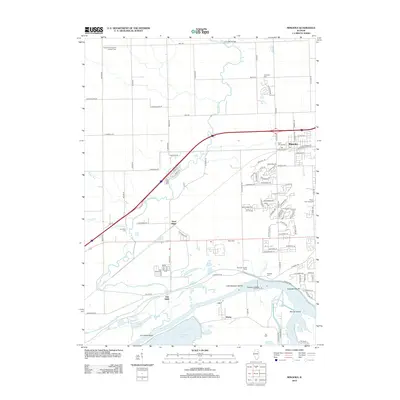 2012 Minooka2012 Print · USGSThe Illinois riverfront near Minooka is captured here just as the suburban landscape began to meet long-standing family farmsteads. Researchers can trace ancestral roots at Saint Marys Cem or Aux Sable Cem and locate landmarks like the Dollinger Family Farm.
 - 2012 Map of Yorkville SE, 2012 Print
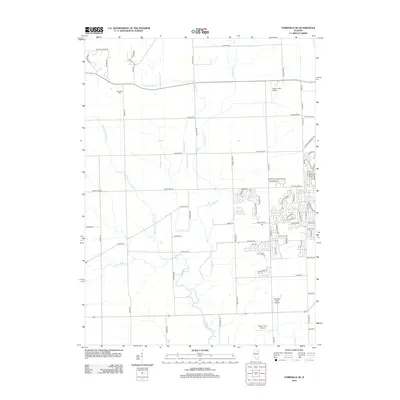 2012 Yorkville SE2012 Print · USGSWill County land patterns are shown here in the early 21st century as suburban growth meets rural farmland. Genealogists can locate the NaAuSay Cem or trace private aviation sites like Bushby RLA Airport and Rossi's Farm Airport.
 - 2015 Map of Yorkville SE, 2015 Print
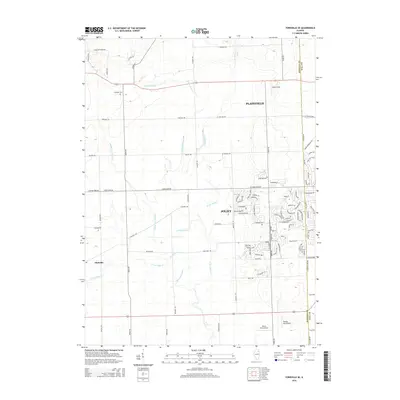 2015 Yorkville SE2015 Print · USGSThe rural-suburban interface of Kendall and Will counties comes into focus in this 2010s survey. Researchers can trace the legacy of early settlements and family lands through NaAuSay Cem, Plattville, and local landmarks like Riley's Field.
 - 2015 Map of Minooka, 2015 Print
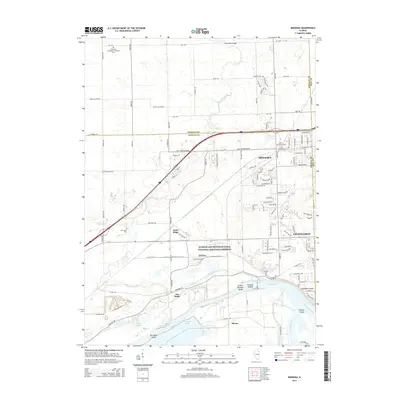 2015 Minooka2015 Print · USGSMinooka and Channahon are surveyed here during a period of modern growth at the historic meeting of the Illinois, Kankakee, and Des Plaines Rivers. Researchers can trace early pioneer roots at Plattville Evangelical Lutheran Cem and follow the route of the Illinois and Michigan Canal.
 - 2018 Map of Minooka, 2018 Print
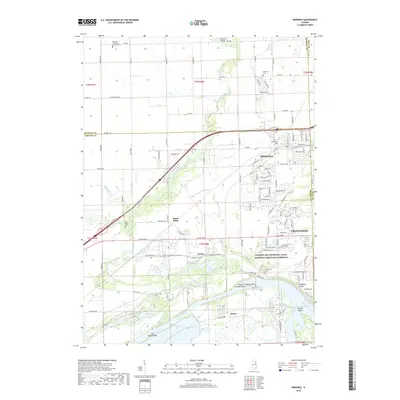 2018 Minooka2018 Print · USGSThe river confluence near Minooka and Channahon reveals a landscape defined by the historic Illinois and Michigan Canal. Modern researchers can trace burial records at Aux Sable Cem or locate the rural junction at Divine.
 - 2018 Map of Yorkville SE, 2018 Print
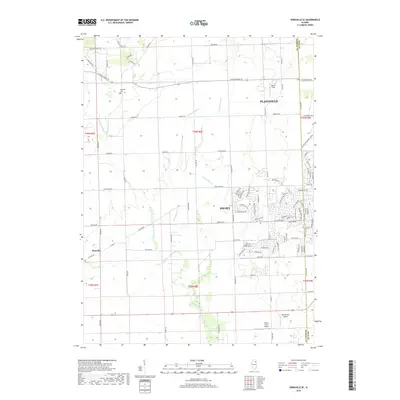 2018 Yorkville SE2018 Print · USGSWill and Kendall counties meet in this 2018 survey where the expansion of Joliet and Plainfield reaches into rural farmland. Researchers can locate the NaAuSay Cem, follow the branching of Aux Sable Creek, and trace old routes like the Specie Grove Trl.
 - 2021 Map of Minooka, 2021 Print
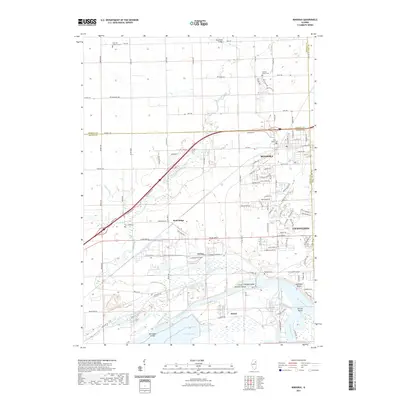 2021 Minooka2021 Print · USGSThe Illinois riverfront at Minooka and Channahon is shown here in the early 2020s as a hub of industry and water-borne transit. Researchers can trace land use around Heidecke Lake or locate ancestral sites at Saint Marys Cem and Aux Sable Cem.
 - 2021 Map of Yorkville SE, 2021 Print
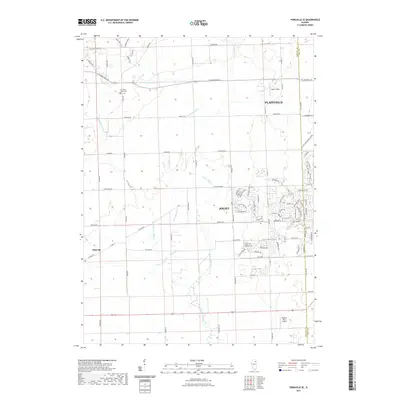 2021 Yorkville SE2021 Print · USGSThe Kendall and Will County border comes into focus in this contemporary survey of the expanding Joliet and Plainfield outskirts. Researchers can trace the historic Old Indian Boundary Line Rd and locate the Aux Sable Grove Cem amidst the winding E Aux Sable Cr.
 - 2024 Map of Yorkville SE, 2024 Print
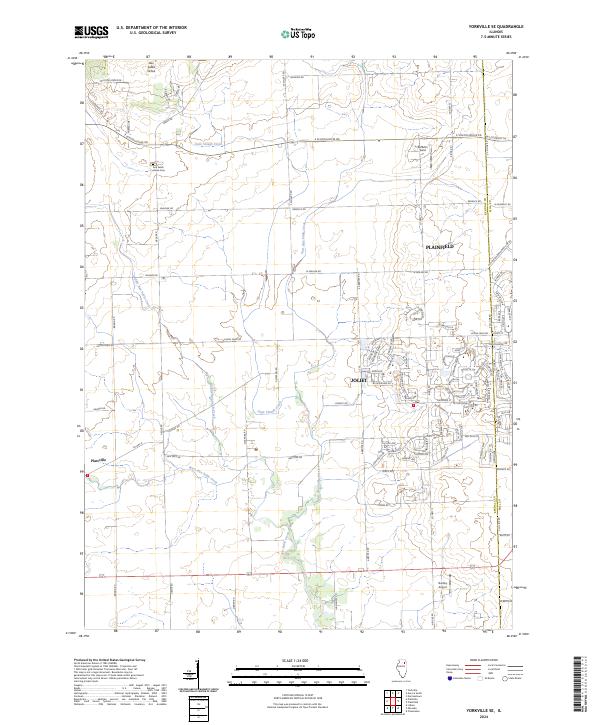 2024 Yorkville SE2024 Print · USGSKendall and Will Counties appear in this contemporary survey as suburban expansion meets traditional Illinois farm country. Local historians can trace family sites near Aux Sable Grove Cem or follow the many branches of Aux Sable Creek near Plattville.
 - 2024 Map of Minooka, 2024 Print
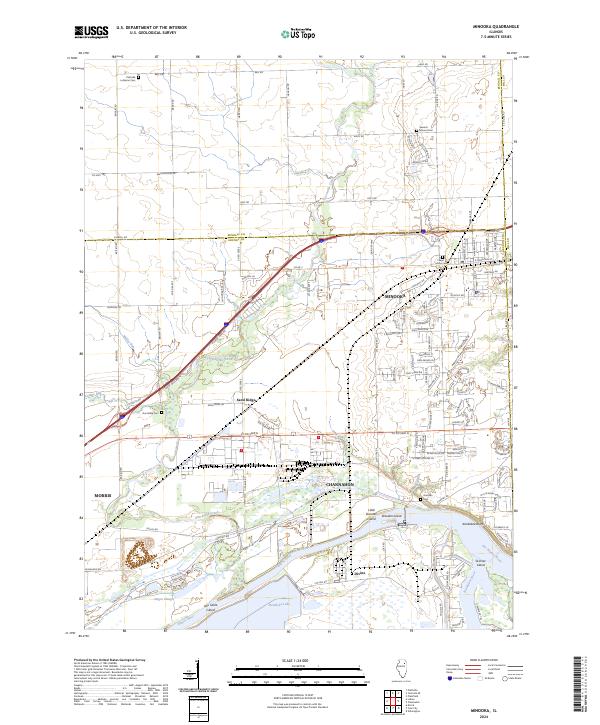 2024 Minooka2024 Print · USGSThe river confluence near Minooka and Channahon comes alive in this detailed look at the modern landscape. Trace family history at Seward Mound Cem or Aux Sable Cem, and explore the river islands like Skinner Island and Dresden Island.
End of results
Showing maps 1-24 of 24
Top cities near Seward Township
- Aurora historical maps
- Joliet historical maps
- Naperville historical maps
- Bolingbrook historical maps
- Plainfield historical maps
- Romeoville historical maps
See more
Top neighborhoods of Seward Township
Frequently asked questions
- What are the different types of historical maps available for Seward Township?
- What is the oldest map of Seward Township?
- Where can I purchase historical maps of Seward Township for my home or office?
- Where can I download high-res historical maps of Seward Township?
- Are there historical topographic maps available for Seward Township?
- Is there historical aerial imagery available for Seward Township?
- Where are historical maps of Seward Township sourced from?