Old Maps of Greenvale Township, Minnesota for Academic Research
Study the evolution of Greenvale Township with 31 high-resolution historic maps. Whether you're teaching, researching, or modeling changes in land use, these maps provide essential visual documentation of urban, environmental, and geographic change.
- Analyze long-term change: Track patterns in development, transportation, and natural features.
- Ideal for environmental or urban studies: Support academic projects with primary historical map data.
- Use in the classroom or lab: Educators and researchers rely on these maps to bring historical context to life.
These maps are a powerful tool for teaching, research, and visualizing how Greenvale Township has changed over the decades.
Greenvale Township, MN maps
(31)- 1953 Map of Saint Paul, 1964 Print
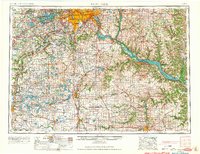 1953 Saint Paul1964 Print · USGSThe Twin Cities and the Mississippi River valley are captured here at a mid-century turning point. Trace the early growth of Minneapolis and Saint Paul alongside landmarks like Lake Minnetonka and the St Croix River.4 unique versions available
 - 1957 Map of Farmington, 1958 Print
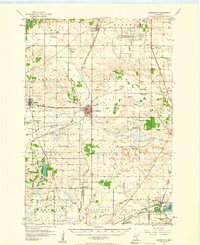 1957 Farmington1958 Print · USGSDakota County in the late fifties shows a landscape of busy rail junctions and transitioning rural schools. You can trace family roots through sites like Christiania Church or locate vanished landmarks like Southport Landing Field and School No 55.2 unique versions available
 - 1957 Map of Prior Lake, 1958 Print
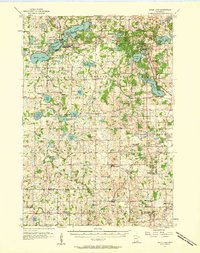 1957 Prior Lake1958 Print · USGSScott and Rice Counties appear here in the late 1950s, showing a region defined by its numerous glacial lakes and small farming hamlets. Genealogists and researchers can trace rural school locations and historic churches such as St Catherine Ch, Elko, and several noted sites like School No 52 (Abandoned).2 unique versions available
 - 1959 Map of Saint Paul
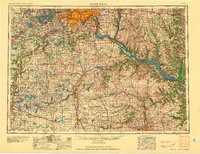 1959 Saint Paul1959 Print · USGSThe Twin Cities and southeastern Minnesota appear here in the late fifties, showing the peak of the rail era and post-war suburban growth. Genealogists can trace family footprints near Lake Minnetonka, the Univ Of Minn Rosemount Research Center, or the growing neighborhoods of Richfield.2 unique versions available
 - 1960 Map of Northfield, 1961 Print
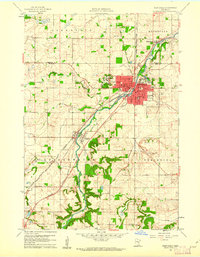 1960 Northfield1961 Print · USGSNorthfield and its surrounding townships are shown at a peak of mid-century growth, serving as a vital rail junction between the Twin Cities and southern Minnesota. Researchers can trace institutional grounds at St Olaf College and Carleton College or find rural landmarks like Little Prairie Ch and Dundas.2 unique versions available
 - 1960 Map of Little Chicago, 1961 Print
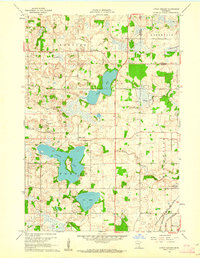 1960 Little Chicago1961 Print · USGSRice and Dakota Counties are shown in the early sixties, a time when three major railroads still converged in the southeastern corner. Genealogists can trace rural roots at Christdala Ch, Township Cem, and the old Millersburg townsite.2 unique versions available
 - 1974 Map of New Market, 1976 Print
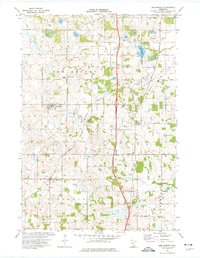 1974 New Market1976 Print · USGSThe rural borderlands of Scott and Rice counties are captured here in the mid-seventies, showing a landscape of small farming towns and expanding regional transit. Genealogists and local historians can trace the roads to Solor Ch, West Christiania Cem, and the settlement of Hazelwood.
 - 1974 Map of Castle Rock, 1976 Print
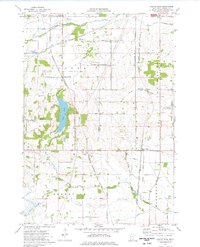 1974 Castle Rock1976 Print · USGSDakota County's rural landscape is captured here in the mid-seventies, showing a blend of traditional farming and new aviation infrastructure. Trace family history at East Christiania or locate rural landmarks like St John Cem and the Airlake Industrial Airport.
 - 1985 Map of Saint Paul
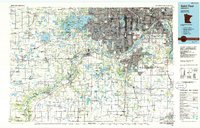 1985 Saint Paul1985 Print · USGSThe Twin Cities metropolitan area and its southern suburbs are captured here in the mid-eighties as the urban landscape expanded toward the Minnesota River. Researchers can trace the layout of the Fort Snelling Military Reservation, find local landmarks like St Benedict Church, and study the rail routes of the Soo Line.2 unique versions available
 - 1985 Map of Faribault, 1986 Print
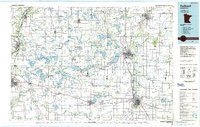 1985 Faribault1986 Print · USGSThe Minnesota River valley and the glacial lake country of Rice and Le Sueur counties are shown here in the mid-1980s. Researchers can trace the academic grounds of St Olaf College or find old crossroads like Trondhjem and Little Chicago.2 unique versions available
 - 1991 Map of Northfield, 1995 Print
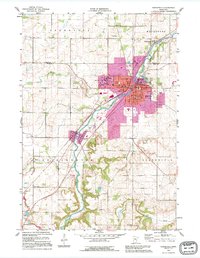 1991 Northfield1995 Print · USGSNorthfield and the Cannon River valley are seen here in the early nineties, a period of established academic and civic growth. Researchers can trace the sprawling grounds of St Olaf College and Carleton College, or locate rural landmarks like Little Prairie Ch and the hamlet of Waterford.
 - 2010 Map of Castle Rock, 2010 Print
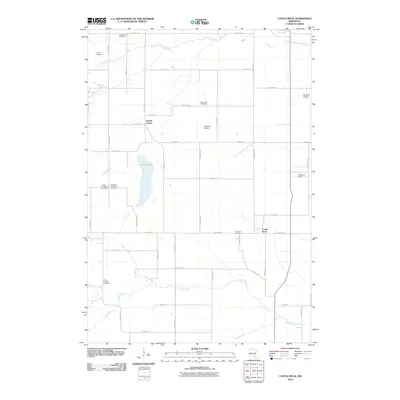 2010 Castle Rock2010 Print · USGSDakota County's rural townships are documented here during the early twenty-first century, showcasing a landscape of family farms and creek valleys. Genealogists and historians can locate several burial sites like Highview Christiania Cemetery and trace the paths of Dutch Creek or the Vermillion River.
 - 2010 Map of New Market, 2010 Print
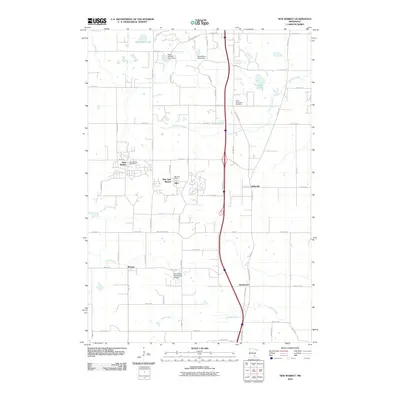 2010 New Market2010 Print · USGSThe Scott County landscape was undergoing a transition toward suburban growth during the early twenty-first century. Researchers can locate the New Market Post Office, trace the Vermillion River, or find the West Christiania Cemetery.
 - 2010 Map of Northfield, 2010 Print
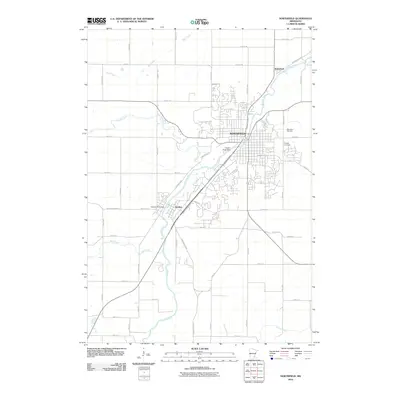 2010 Northfield2010 Print · USGSThe Northfield area at the start of the 2010s reveals a landscape shaped by the Cannon River and its industrial and academic heritage. Researchers can trace the boundaries of Saint Olaf College, the location of the Cannon River Dam, and local burial sites like Oak Lawn Cemetery.
 - 2011 Map of Little Chicago, 2011 Print
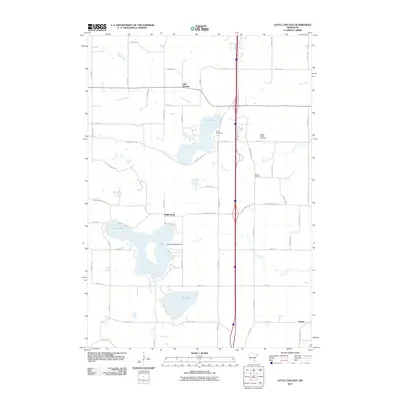 2011 Little Chicago2011 Print · USGSRice County's lake-dotted landscape is captured here in the early 2010s, showing the rural communities of Millersburg and Little Chicago. Researchers can trace local history through sites like Rolling Green Cemetery and the uniquely positioned Quist Seaplane Base.
 - 2013 Map of Northfield, 2013 Print
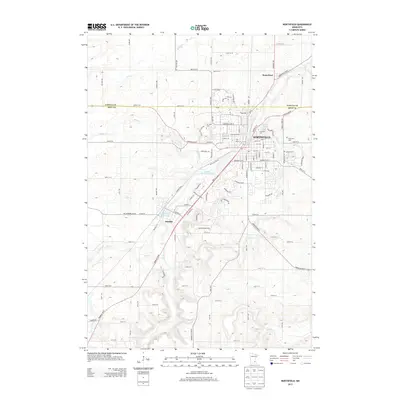 2013 Northfield2013 Print · USGSNorthfield and the Cannon River valley appear in high detail during the early 2010s, showing the town's growth alongside its famous colleges. Researchers can trace the grounds of St. Olaf Coll and Carleton Coll or locate family plots in Oak Lawn Cem.
 - 2013 Map of Little Chicago, 2013 Print
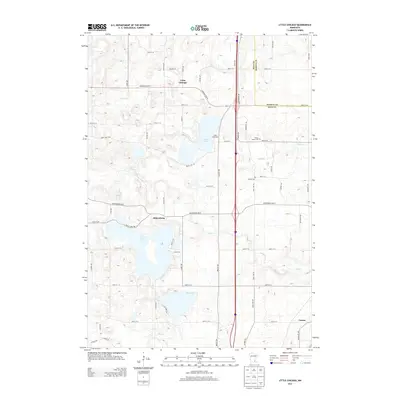 2013 Little Chicago2013 Print · USGSThe rural lake country of Rice County is mapped here in the early 21st century, showing the enduring layouts of local settlements and recreation areas. Genealogists and local historians can trace the vicinity of Little Chicago, Millersburg, and the Rolling Green Cem.
 - 2013 Map of Castle Rock, 2013 Print
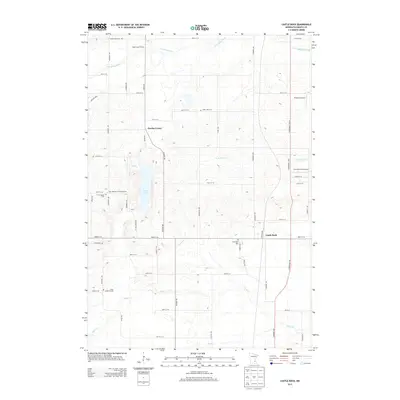 2013 Castle Rock2013 Print · USGSDakota County remains a landscape of rolling farmland and quiet rural crossroads in the early twenty-first century. Genealogists and local researchers can trace the locations of many historic burial sites, including Highview Christiana Cem and Greenvale Cem, alongside local landmarks like Chub Lake.
 - 2013 Map of New Market, 2013 Print
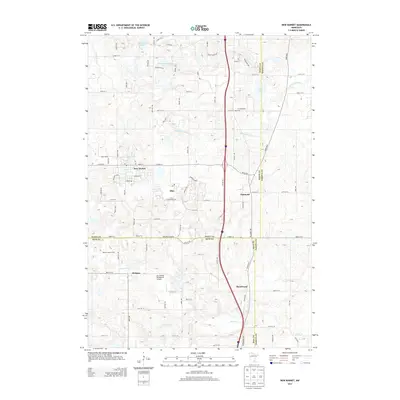 2013 New Market2013 Print · USGSThe Scott and Rice County borders meet in this 2013 survey of the developing South Metro. Trace the distinct layouts of New Market, Elko, and Webster, or locate the W Christiania Cem and Nelson's Apple Farm.
 - 2016 Map of Castle Rock, 2016 Print
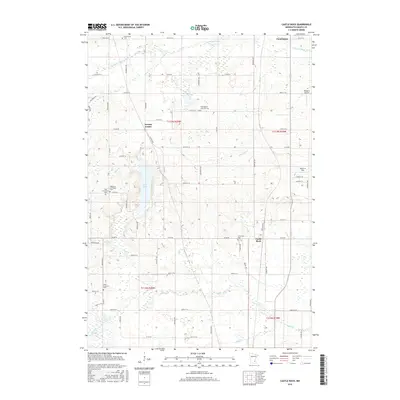 2016 Castle Rock2016 Print · USGSDakota County's agricultural heartland is documented here in the mid-2010s, showing the enduring rural layout around Eureka Center and Castle Rock. Researchers can trace the grounds of Highview Christiana Cem or locate local landmarks like Nielsen's Airport.
 - 2016 Map of Northfield, 2016 Print
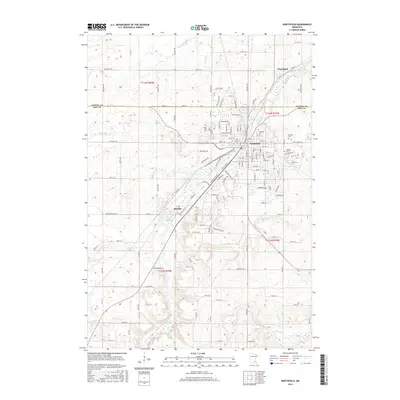 2016 Northfield2016 Print · USGSNorthfield and the surrounding Rice County river valley are captured here in the mid-2010s. Modern researchers can trace the expansive footprints of Saint Olaf Coll and Carleton Coll, or locate family plots in Oaklawn Cem and Calvary Cem.
 - 2016 Map of Little Chicago, 2016 Print
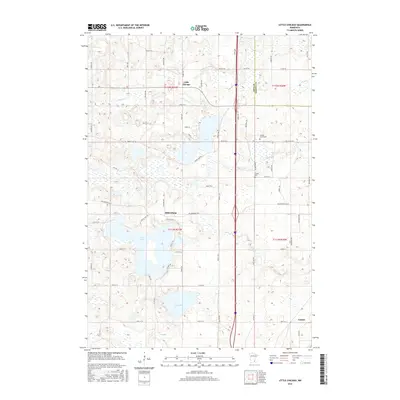 2016 Little Chicago2016 Print · USGSThe rural borderlands of Rice and Dakota counties are detailed here in the mid-2010s, showing a landscape defined by glacial lakes and small settlements. Researchers can trace the layout of Little Chicago and Millersburg or locate burials at Rolling Green Cem.
 - 2016 Map of New Market, 2016 Print
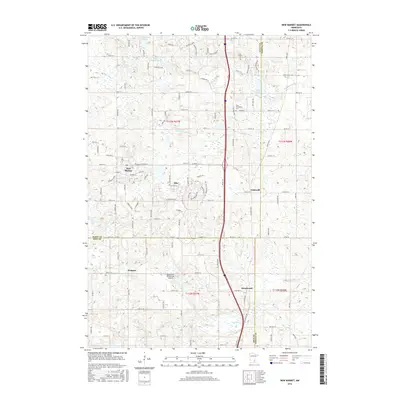 2016 New Market2016 Print · USGSThe Elko and New Market area of Scott County appears here during a period of modern expansion at the Rice and Dakota county borders. Researchers can locate family sites near West Christiania Cem, the hamlet of Eidswold, and the rural crossroads of Webster.
 - 2019 Map of Castle Rock, 2019 Print
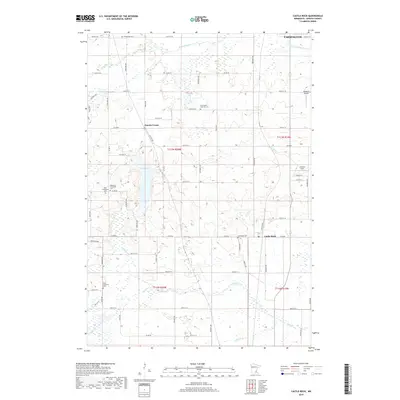 2019 Castle Rock2019 Print · USGSDakota County south of Farmington is captured here in the late twenty-teens, showing a landscape defined by Lutheran heritage and small prairie settlements. Genealogists can trace family history through several sites like Greenwood Cem, Solar Lutheran Cem, and the village of Castle Rock.
 - 2019 Map of New Market, 2019 Print
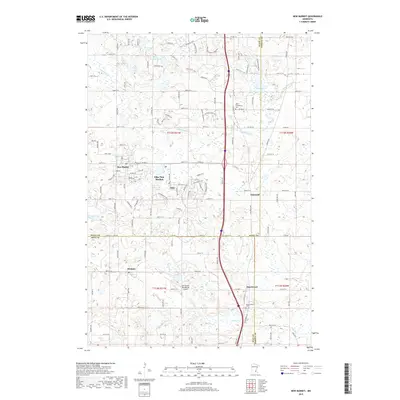 2019 New Market2019 Print · USGSSoutheast of the Twin Cities in the late 2010s, this area shows the joined community of Elko New Market and surrounding farmsteads. Researchers can locate historic burial grounds like West Christiania Cem and trace the headwaters of the Vermillion River.
Showing maps 1-25 of 31
Top cities near Greenvale Township
- Burnsville historical maps
- Lakeville historical maps
- Apple Valley historical maps
- Shakopee historical maps
- Savage historical maps
- Prior Lake historical maps
See more
Frequently asked questions
- What are the different types of historical maps available for Greenvale Township?
- What is the oldest map of Greenvale Township?
- Where can I purchase historical maps of Greenvale Township for my home or office?
- Where can I download high-res historical maps of Greenvale Township?
- Are there historical topographic maps available for Greenvale Township?
- Is there historical aerial imagery available for Greenvale Township?
- Where are historical maps of Greenvale Township sourced from?