Old Maps of Independence, Missouri for Metal Detecting
Plan your next treasure hunt with 57 historic maps of Independence. Find old homesites, ghost towns, trails, and gathering spots that may be lost to time — perfect for identifying promising metal detecting locations.
- Locate forgotten sites: Uncover places like long-lost settlements, abandoned rail lines, or gathering spots.
- Plan better hunts: Use map overlays combined with LiDAR or satellite views to narrow in on historically rich areas.
- Made for detectorists: Thousands of hobbyists use these maps to discover relics, coins, and hidden history.
Use these historic maps to boost your research and find new opportunities beneath the surface of Independence.
Independence, MO maps
(57)- 1894 Map of Independence
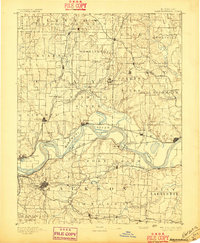 1894 Independence1894 Print · USGSThe river valley and rail corridors of western Missouri are captured in detail during the late nineteenth century. Researchers can trace the early layouts of Liberty and Independence alongside lost river features like Liberty Landing and Cooley Lake.5 unique versions available
 - 1933 Map of Blue Springs
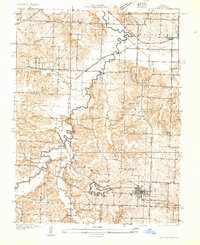 1933 Blue Springs1933 Print · USGSJackson County in the 1930s shows a landscape of rural schoolhouses and family farms connected by the Little Blue River. Researchers can trace ancestral property near Lobb Cemetery or locate vanished landmarks like Selsa and the Old Blue Springs Sch.
 - 1934 Map of Oak Grove
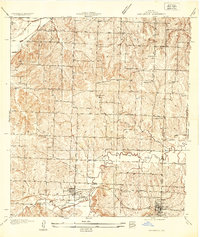 1934 Oak Grove1934 Print · USGSJackson County in the 1930s shows a landscape of growing railroad towns and scattered rural school districts. Genealogists can locate family landmarks like Sunny Nook Sch and Macklin Sch or trace early routes along Sni A Bar Creek.2 unique versions available
 - 1934 Map of Independence
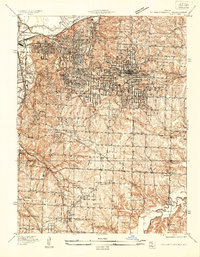 1934 Independence1934 Print · USGSIn Jackson County during the mid-1930s, the landscape around Independence shows a bustling network of river commerce and early highways. Researchers can trace the heritage of local institutions like the Jackson County Girls Home and historic sites such as Mt Washington Cem.2 unique versions available
 - 1935 Map of Buckner
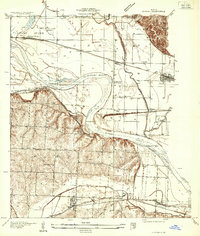 1935 Buckner1935 Print · USGSThe Missouri River bottoms and Fort Osage bluffs are captured here in the mid-1930s during a period of heavy rail and river activity. Genealogists and historians can trace the locations of numerous rural landmarks like Union Ch, Egypt Sch, and the Hossenflow Duck Camp.2 unique versions available
 - 1935 Map of Missouri City
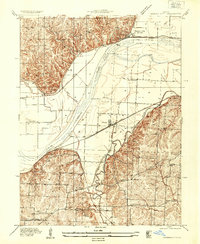 1935 Missouri City1935 Print · USGSMissouri River communities in the mid-1930s are captured here during a period of heavy reliance on rail and river geography. Genealogists can trace a network of rural schools like Hunt Sch and Academy Sch or locate the historic McCune Home near the Atchison Topeka and Santa Fe line.
 - 1935 Map of Liberty, 1955 Print
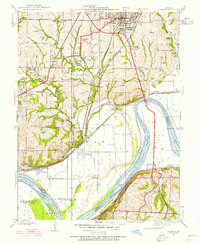 1935 Liberty1955 Print · USGSThe Missouri River bluffs and river bottoms near Liberty were a hub of rail commerce and education in the mid-thirties. Genealogists and researchers can locate several rural schools and sites like the Odd Fellows Home, Crollie Cem, and Claycomo Mill.2 unique versions available
 - 1940 Map of Liberty
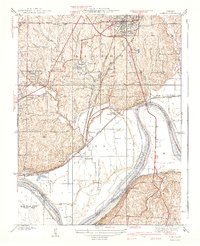 1940 Liberty1940 Print · USGSClay County at the dawn of the 1940s shows a dense network of river-bottom railroads and hilltop college life. Genealogists can trace family landmarks like Withers Sch, the Odd Fellows Home, and the Depression-era Federal Transient Camp.2 unique versions available
 - 1940 Map of Independence
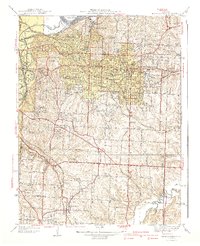 1940 Independence1940 Print · USGSIndependence and its eastern suburbs are shown here in the mid-1930s, caught between the industrial Missouri River bend and the rural ridges of Jackson County. Genealogists can trace family landmarks like Woodlawn Cemetery, the Sanitarium, and rural schools like Whiteoak Sch.2 unique versions available
 - 1945 Map of Blue Springs, 1955 Print
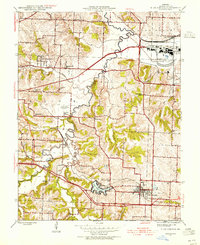 1945 Blue Springs1955 Print · USGSJackson County in the 1940s shows a landscape of country schools and family roads poised for postwar expansion. You can trace early lakefront development at Lake Tapawingo, find family-named landmarks like Owens Road, or locate the expansive Lake City Ordnance Plant.
 - 1945 Map of Missouri City, 1955 Print
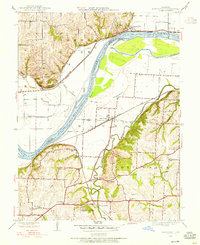 1945 Missouri City1955 Print · USGSMissouri City and the river bottomlands are captured here in the mid-1940s, showing a landscape defined by rail lines and rural school districts. Genealogists can trace family footprints at Blue Mills, New Salem Ch, and numerous country schools like Lynch Sch.
 - 1947 Map of Blue Springs
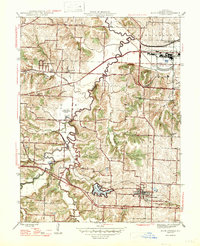 1947 Blue Springs1947 Print · USGSJackson County is captured here in the years following World War II, showing a landscape defined by the winding Little Blue River and early industrial growth. Researchers can locate numerous vanished landmarks, from the Lake City Ordnance Plant to rural schoolhouses like Sunnyside Sch and Fairview Sch.2 unique versions available
 - 1947 Map of Missouri City
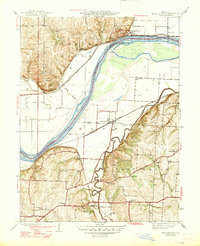 1947 Missouri City1947 Print · USGSThe Missouri River bottoms and surrounding bluffs appear here in the mid-1940s, showing a rural landscape defined by heavy rail and river crossings. Genealogists can locate family-named landmarks and institutions like New Salem Ch, Blue Mills, and the McCune Home.2 unique versions available
 - 1950 Map of Kansas City
 1950 Kansas City1950 Print · USGSMid-century Kansas and Missouri are captured here during a period of industrial growth and shifting transportation. Genealogists and historians can trace rail lines like the Wabash RR or locate ancestral homes near the Potawatomi Indian Reservation and Horton.
 - 1954 Map of Kansas City
 1954 Kansas City1954 Print · USGSThe Missouri-Kansas borderlands flourished in the post-war era as river commerce and rail networks converged at the Missouri River. Genealogists and historians can trace the foundations of Kansas City and smaller rural hubs like Hiawatha or Sabetha.
 - 1956 Map of Kansas City, 1967 Print
 1956 Kansas City1967 Print · USGSThe Kansas-Missouri border region thrived during the mid-fifties, centered on the growing metropolitan cores and the busy river valleys. Researchers can trace the layout of significant government sites like Fort Leavenworth and the Lake City Army Ammunition Plant.4 unique versions available
 - 1957 Map of Independence, 1958 Print
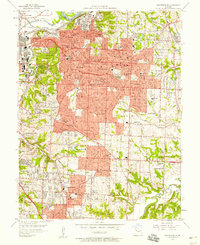 1957 Independence1958 Print · USGSIndependence and the eastern edge of Kansas City are shown here at a peak of mid-century development. Researchers can locate hundreds of local landmarks, from the Harry S Truman Memorial Library to the sprawling Oil Refinery and the Washington Cemetery.
 - 1960 Map of Kansas City
 1960 Kansas City1960 Print · USGSMid-century Kansas and Missouri meet at the river forks, showing a sprawling rail-and-river economy during the 1950s growth era. Genealogists and researchers can trace tribal lands like the Kickapoo Indian Reservation or follow the early interstate corridors through Saint Joseph and Independence.3 unique versions available
 - 1964 Map of Independence, 1965 Print
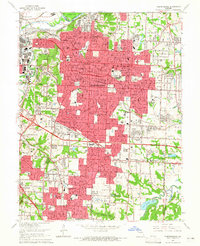 1964 Independence1965 Print · USGSMid-century Jackson County is captured here as the suburbs of Independence and Raytown expanded along the rail lines. Genealogists and historians can locate dozens of local schools and landmarks like Mt Washington Cemetery and the Drumm Institute.4 unique versions available
 - 1965 Map of Buckner, 1966 Print
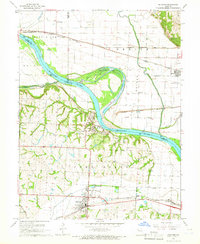 1965 Buckner1966 Print · USGSJackson County and the Missouri River valley are captured in the mid-sixties, showcasing a landscape of river-bottom farms and growing rail hubs. Genealogists and historians can trace family roots through sites like Buckner Hill Cem, Clevenger Sch, and the historic grounds of Fort Osage.2 unique versions available
 - 1965 Map of Missouri City, 1966 Print
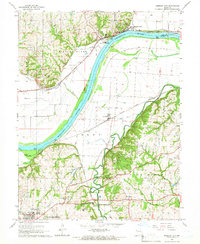 1965 Missouri City1966 Print · USGSThe Missouri River corridor near Missouri City appears here in the mid-1960s, a landscape defined by heavy rail lines and river commerce. Trace the historic Santa Fe Trail and find local landmarks like Fort Osage, Atherton, and the McCune Home for Boys.4 unique versions available
 - 1965 Map of Oak Grove, 1966 Print
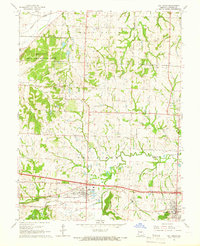 1965 Oak Grove1966 Print · USGSJackson County is documented here in the mid-1960s as small-town centers began to interface with modern industrial and aviation sites. Researchers can trace the heritage of Grain Valley and Oak Grove, locating numerous landmarks like Mecklin Cem, Pink Hill Ch, and the East Kansas City Airport.3 unique versions available
 - 1965 Map of Blue Springs, 1966 Print
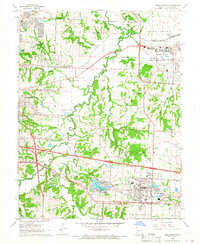 1965 Blue Springs1966 Print · USGSJackson County at the height of the mid-century shows the expanding footprint of East Independence and Blue Springs. Researchers can trace the massive Lake City Army Ammunition Plant and family-named landmarks like Lobb Cem and Stanley Cem.3 unique versions available
 - 1965 Map of Liberty, 1966 Print
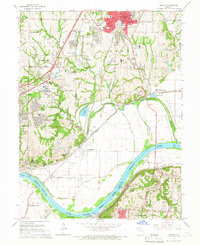 1965 Liberty1966 Print · USGSLiberty and the northern reaches of Kansas City are shown here during a period of significant industrial and institutional growth in the mid-1960s. Researchers can trace historic family plots at Fairview Cemetery and locate vanished local landmarks like the Odd Fellows Home or the Del Bufalo Seminary.3 unique versions available
 - 1983 Map of Kansas City
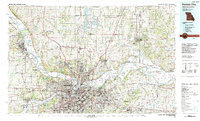 1983 Kansas City1983 Print · USGSThe Missouri-Kansas borderlands reached a peak of suburban and industrial connectivity by the early eighties. Researchers can trace established neighborhoods and major landmarks like the Fort Leavenworth Military Reservation, Swope Park, and the U.S. Army Ammunition Plant.
Showing maps 1-25 of 57
Top cities near Independence
- Kansas City historical maps
- Lee's Summit historical maps
- Blue Springs historical maps
- Liberty historical maps
- Raytown historical maps
- Gladstone historical maps
See more
Top neighborhoods of Independence
- Fairmount historical maps
- Maywood historical maps
- Mount Washington historical maps
- Lake City historical maps
- Adams historical maps
- East Independence historical maps
See more
Frequently asked questions
- What are the different types of historical maps available for Independence?
- What is the oldest map of Independence?
- Where can I purchase historical maps of Independence for my home or office?
- Where can I download high-res historical maps of Independence?
- Are there historical topographic maps available for Independence?
- Is there historical aerial imagery available for Independence?
- Where are historical maps of Independence sourced from?