Old Maps of Joachim Township, Missouri for Hiking & Exploration
Hike through history with 53 historic maps of Joachim Township. Explore old trails, ghost towns, and forgotten backroads — perfect for outdoor adventurers and local explorers.
- Rediscover forgotten places: Map out old mining camps, roads, and footpaths that no longer exist on modern maps.
- Layer with modern tools: Combine with LiDAR or satellite views to plan hikes through historical terrain.
- Made for exploration: Popular among hikers, overlanders, and local history lovers.
Use these maps to find adventure and explore the hidden past of Joachim Township.
Joachim Township, MO maps
(53)- 1901 Map of De Soto
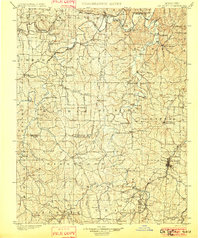 1901 De Soto1901 Print · USGSJefferson and Franklin Counties at the turn of the century show a landscape defined by industrial milling and river fords. Genealogists can trace early homesteads near Hillsboro or industrial sites like Vulcan Mine and Byrnes Mill.5 unique versions available
 - 1912 Map of Kimmswick
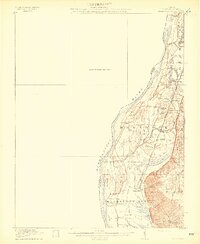 1912 Kimmswick1912 Print · USGSThe Illinois bottomlands along the Mississippi River are shown here in the early twentieth century, just as the railroad was solidifying the region's economy. Genealogists and local researchers can trace the locations of Harrisonville, the Blue Church, and historic schools like Miles Prairie School.2 unique versions available
 - 1915 Map of Crystal City
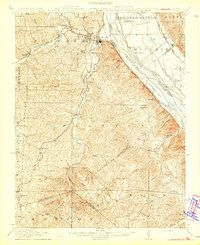 1915 Crystal City1915 Print · USGSThe Missouri-Illinois riverfront comes alive in this early 1900s survey of the industrial corridor between Crystal City and VALLES MINES. Researchers can trace the path of the St Louis and San Francisco railroad and locate old community centers like Rush Tower or the Telegraph School.4 unique versions available
 - 1916 Map of Kimmswick
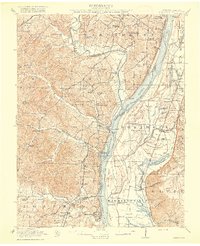 1916 Kimmswick1916 Print · USGSThe Mississippi River valley comes alive in this early twentieth-century survey of the Missouri-Illinois borderlands. Genealogists and historians can trace defunct schoolhouses like Fawn Ridge School, river landings such as Harrisonville Landing, and the path of the St Louis Iron Mountain and Southern RR.6 unique versions available
 - 1930 Map of De Soto NE
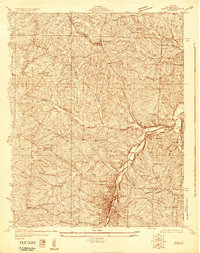 1930 De Soto NE1930 Print · USGSJefferson County settlement and rural education are captured in the early 1930s as the railroad and river networks shaped the valley. Genealogists can locate family landmarks like Peter Moore Sch and Buckie Sch near the Victoria and De Soto corridors.
 - 1930 Map of Pacific SE
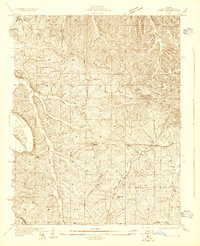 1930 Pacific SE1930 Print · USGSJefferson County rural life in the early 1930s is captured here through its network of country schoolhouses and river valleys. Researchers can trace historic routes like Le May Ferry Road and find old settlements such as Belews and Goldman.2 unique versions available
 - 1948 Map of Kimmswick, 1955 Print
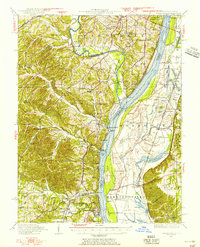 1948 Kimmswick1955 Print · USGSThe Mississippi River corridor south of St. Louis appears here at a mid-century peak of rail and river industry. Researchers can trace historic river landings and rural schools like Harrisonville Landing, Blue Church, and the sprawling grounds of Jefferson Barracks.
 - 1949 Map of Saint Louis
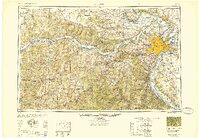 1949 Saint Louis1949 Print · USGSGreater St. Louis and its surrounding river valleys are captured here just after the war, showing the metropolitan core and the rural Ozark fringe. Researchers can trace the sprawling rail network of the Wabash RR or locate landmarks like Meramec Caverns Airport and Scott Air Force Base.2 unique versions available
 - 1949 Map of Crystal City, 1959 Print
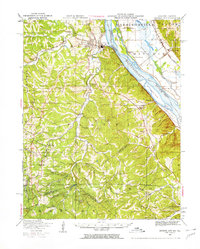 1949 Crystal City1959 Print · USGSThe Mississippi River valley comes alive in the late 1940s, showing the industrial pulse of Festus and the rural reaches of Jefferson County. Genealogists can locate numerous vanished landmarks like the Telegraph School, Valle Mines, and the Rush Tower river landing.2 unique versions available
 - 1954 Map of Belew Creek, 1959 Print
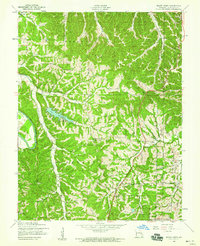 1954 Belew Creek1959 Print · USGSJefferson County hills in the mid-1950s are defined by winding waterways and ridge-top settlements. Genealogists can trace the rural landscape around Lake Tishomingo, Goldman, and local landmarks like Glade Chapel and the Lookout Tower.5 unique versions available
 - 1954 Map of Herculaneum, 1959 Print
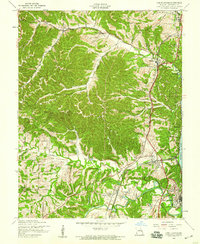 1954 Herculaneum1959 Print · USGSJefferson County in the mid-1950s shows a landscape shaped by river commerce and the rugged bluffs of the Mississippi River. Genealogists and researchers can trace family landmarks like Mahler Cem, St Lukes Ch, and the early footprints of Herculaneum and Pevely.4 unique versions available
 - 1954 Map of Valmeyer, 1959 Print
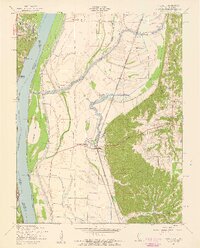 1954 Valmeyer1959 Print · USGSThe Illinois-Missouri borderlands in the mid-1950s showcase a landscape of river-bottom farms and bluff-side hollows along the Mississippi River. Researchers can trace old rail lines like the Missouri Pacific and find vanished rural schools including Central Sch and Miles Prairie Sch.4 unique versions available
 - 1954 Map of Kimmswick, 1960 Print
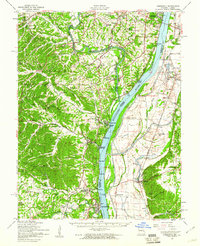 1954 Kimmswick1960 Print · USGSThe Mississippi River corridor south of St. Louis comes to life in the mid-fifties, showing the rail-dependent towns of Kimmswick and Herculaneum. Genealogists and historians can trace family landmarks like Richardson Cem, Point Sch, and Harrisonville Landing.2 unique versions available
 - 1955 Map of De Soto NE
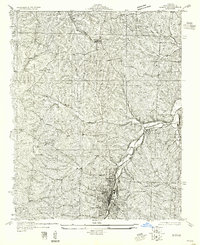 1955 De Soto NE1955 Print · USGSJefferson County's rural character is preserved here in the mid-1950s, showing the early infrastructure connecting local rail hubs. Family historians can locate a dense network of country schools like Buckie Sch and New Hope Sch along the banks of Joachim Creek.
 - 1958 Map of De Soto NE
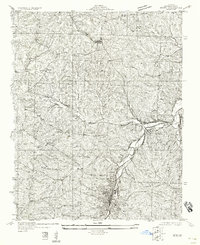 1958 De Soto NE1958 Print · USGSJefferson County during the early twentieth century shows a landscape defined by rail and creek valleys. Genealogists and local historians can trace the foundations of Festus and Hematite or locate rural landmarks like Haverstick Sch and the Missouri Pacific line.
 - 1960 Map of De Soto, 1961 Print
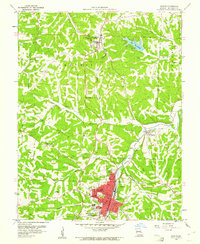 1960 De Soto1961 Print · USGSJefferson County was a landscape of winding creek valleys and rail-fed towns in the early sixties. Genealogists can trace family roots through several sites including Good Shepherd Cem, Victoria, and the campus of Mt St Clements College.2 unique versions available
 - 1962 Map of St. Louis
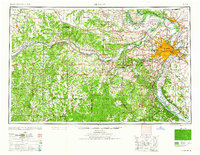 1962 St. Louis1962 Print · USGSThe mid-century gateway to the west shows the metropolitan expansion of St Louis alongside its critical river confluences. Genealogists and historians can trace the rail corridors of the Missouri Pacific RR and settlements from Fulton to De Soto.
 - 1963 Map of St. Louis, 1970 Print
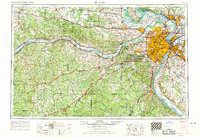 1963 St. Louis1970 Print · USGSSt. Louis and its surrounding river valleys are captured here during the peak of mid-century suburban expansion and industrial activity. Trace the historic rail routes of the Norfolk and Western Ry or locate the St Louis Ordnance Plant and early stretches of US Highway 66.4 unique versions available
 - 1964 Map of Festus, 1965 Print
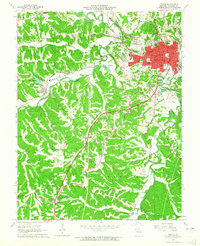 1964 Festus1965 Print · USGSJefferson County industrial and rail hubs are caught in detail during the mid-1960s. Researchers can trace family roots through sites like Rose Lawn Cem, Old Plattin Ch, and the streets of Festus and Crystal City.2 unique versions available
 - 1964 Map of Selma, 1965 Print
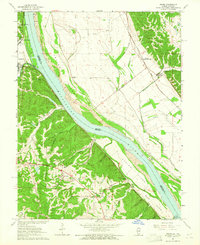 1964 Selma1965 Print · USGSThe Mississippi River divides Missouri and Illinois in the mid-1960s, cutting between bluff-side settlements and island bottomlands. Genealogists can trace family names at Cook Cem and Donnell Cem or locate the old Selma Sch.3 unique versions available
 - 1966 Map of St. Louis
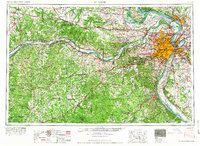 1966 St. Louis1966 Print · USGSThe St. Louis metropolitan area and its surrounding river valleys are captured here during the mid-sixties era of suburban growth and industrial strength. Genealogists and historians can trace the foundations of local communities through sites like Old Pioneer Cem, Parks College, and the Jefferson Barracks Military Reservation.
 - 1981 Map of De Soto, 1982 Print
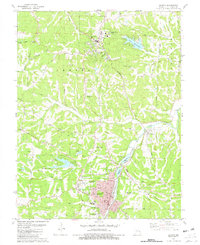 1981 De Soto1982 Print · USGSJefferson County’s landscape in the early eighties is captured here as the railroad town of De Soto and the hilltop county seat of Hillsboro expand. Genealogists and historians can trace family roots at Woodlawn Mem Park, the settlement at Victoria, and the Lone Pilgrim Ch.
 - 1985 Map of Festus, 1987 Print
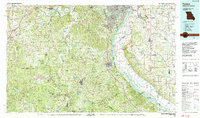 1985 Festus1987 Print · USGSThe Mississippi River corridor and Ozark foothills appear here in the mid-1980s, documenting a landscape of industrial river towns and forest preserves. Trace the development of Festus, Crystal City, and De Soto or locate sites like Mastodon State Park.
 - 1991 Map of Valmeyer
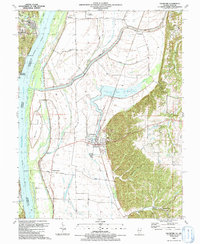 1991 Valmeyer1991 Print · USGSThe Mississippi River bottomlands and bluffs of Monroe County are shown here in the early 1990s. Genealogists can trace local roots at Eagle Cliff Cem, the small town of Harrisonville, and Bethesda Ch.
 - 1993 Map of Herculaneum, 1995 Print
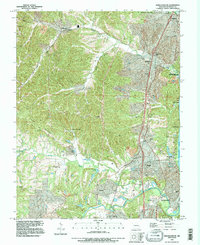 1993 Herculaneum1995 Print · USGSJefferson County river towns like Herculaneum and Pevely are captured during their late-century expansion along the Mississippi. Researchers can trace ancestral roots at Mahlers Cem or locate local landmarks like the Drag Strip and Mastodon State Park.
Showing maps 1-25 of 53
Top cities near Joachim Township
- Oakville historical maps
- Arnold historical maps
- Festus historical maps
- Eureka historical maps
- Columbia historical maps
- Murphy historical maps
See more
Top neighborhoods of Joachim Township
- Mapaville historical maps
- Donnell historical maps
- Jarvis historical maps
- Hematite historical maps
- Horine historical maps
- Bushburg historical maps
See more
Frequently asked questions
- What are the different types of historical maps available for Joachim Township?
- What is the oldest map of Joachim Township?
- Where can I purchase historical maps of Joachim Township for my home or office?
- Where can I download high-res historical maps of Joachim Township?
- Are there historical topographic maps available for Joachim Township?
- Is there historical aerial imagery available for Joachim Township?
- Where are historical maps of Joachim Township sourced from?