1970s Maps of McCone County, Montana
Explore 25 historic maps of McCone County from the 1970s. These maps offer a rare glimpse into what life looked like during the 1970s — showing old roads, neighborhoods, homes, and landmarks that have changed or disappeared over time.
Whether you're researching your family's past, planning a metal detecting trip, or studying how McCone County's landscape evolved across the 1970s, these high-resolution maps are a powerful tool for exploring the history of this region.
- Focus on a specific era: All maps on this page are from the 1970s, giving you a focused view of this time period.
- See what’s changed: Compare century-old streets, trails, and buildings to today's modern landscape using overlays and satellite layers.
- Research with precision: Use these maps for genealogy, historical research, land use analysis, or educational projects.
- View, download, or print: Maps are fully viewable online in high resolution, and can be downloaded or printed for your own records.
Start exploring McCone County's history through authentic maps from the 1970s. This is your window into the past.
McCone County, MT maps
(25)- 1972 Map of Chelsea SW, 1975 Print
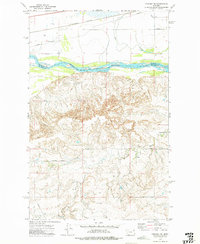 1972 Chelsea SW1975 Print · USGSMcCone and Roosevelt counties are shown here in the early 1970s as industrial pipelines and railroads began to cross the Missouri River breaks. Genealogists and researchers can trace the Fort Peck Indian Reservation Boundary and find local landmarks like Nickwall Dam and the Burlington Northern rail line.
 - 1972 Map of Frazer, 1975 Print
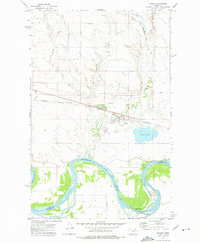 1972 Frazer1975 Print · USGSThe Missouri River valley near the Fort Peck Indian Reservation is captured here in the mid-1970s. Trace local landmarks like the St Joseph Cem, the community of Frazer, and the Burlington Northern rail line.
 - 1972 Map of Short Creek, 1975 Print
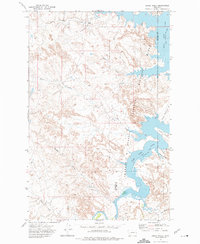 1972 Short Creek1975 Print · USGSGarfield County ranching lands and the rugged breaks of the Missouri River are captured here in the early 1970s. Researchers can trace remote homesteading sites like Flint Ranch or map the complex shoreline of the Fort Dry Peck Lake Arm near Stubby Point.
 - 1972 Map of Poplar, 1975 Print
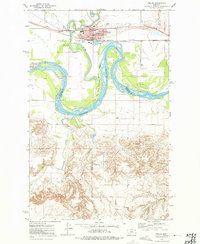 1972 Poplar1975 Print · USGSThe confluence of the Missouri and Poplar Rivers is captured in the early seventies, centered on the hub of Poplar within the reservation. Trace the Burlington Northern rail line and local landmarks like the Arthur Sch and the Poplar Airport.2 unique versions available
 - 1972 Map of Wolf Point, 1975 Print
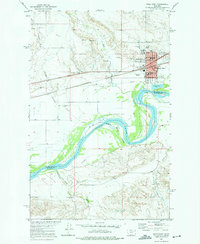 1972 Wolf Point1975 Print · USGSWolf Point thrives as a river and rail center during the early seventies, positioned along the banks of the Missouri River. Genealogists and historians can trace local institutions like Northside Sch, Greenwood Cem, and the Community Hall.
 - 1972 Map of Macon, 1975 Print
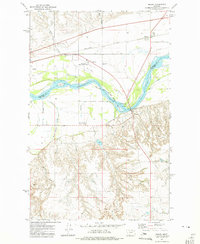 1972 Macon1975 Print · USGSThe Missouri River valley near the Fort Peck Indian Reservation is captured here in the early seventies as a hub of transport and grain. Trace the local community through landmarks like Macon, Courchene Cem, and the Frontier Sch.
 - 1972 Map of Spring Creek Bay, 1975 Print
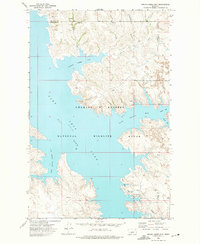 1972 Spring Creek Bay1975 Print · USGSThe Missouri River breaks of Eastern Montana are captured here in the early seventies as the reservoir reshapes the landscape. Map researchers can trace the intricate shoreline of Spring Creek Bay and locate recreation sites like Hell Creek State Park.
 - 1972 Map of Milk River Hills, 1975 Print
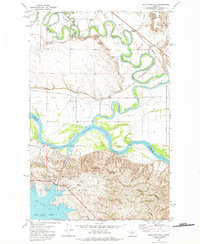 1972 Milk River Hills1975 Print · USGSThe confluence of the Missouri and Milk Rivers in Valley County comes alive in the early 1970s, showcasing a landscape shaped by ranching and rail. Researchers can trace the winding Fort Peck Indian Reservation boundary, the remote Nickels Ranch, and the Burlington Northern railroad corridor.
 - 1972 Map of Ash Creek East, 1975 Print
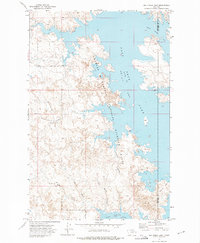 1972 Ash Creek East1975 Print · USGSGarfield and McCone Counties are captured in the early seventies, showcasing the winding shoreline of the Missouri River breaks. Genealogists and researchers can trace the rugged drainages of Cat Creek, Jawbone Coulee, and the remote Daniels Point above Fort Peck Lake.
 - 1972 Map of Flynn Creek South, 1975 Print
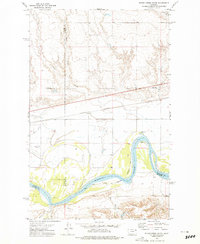 1972 Flynn Creek South1975 Print · USGSThe Missouri River valley at the Fort Peck Indian Reservation is shown here in the 1970s, as the river snakes between multiple county lines. Local researchers can locate the Oswego Ch, a local Cem, and the tracks of the Burlington Northern railroad.2 unique versions available
 - 1972 Map of Fort Peck, 1975 Print
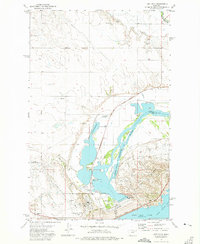 1972 Fort Peck1975 Print · USGSThe Missouri River valley in the early seventies shows a landscape transformed by the Fort Peck Dam and wildlife conservation efforts. Researchers can trace the layout of Fort Peck and Park Grove alongside the Charles M. Russell National Wildlife Range.
 - 1972 Map of York Island, 1975 Print
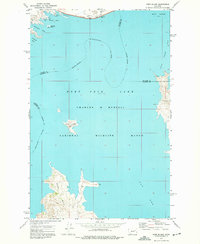 1972 York Island1975 Print · USGSFort Peck Lake and the Missouri River corridor define this landscape in the early seventies as a hub for both conservation and recreation. Researchers can trace the shoreline of York Island, the reach of the Dry Arm, and facilities at Fort Peck Dam.
 - 1972 Map of Nickwall, 1975 Print
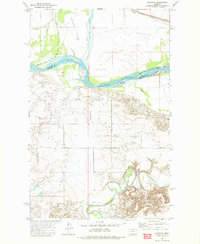 1972 Nickwall1975 Print · USGSMcCone County, Montana, was a landscape of river confluences and reservation borders in the early 1970s. Researchers can trace the settlement at Nickwall, locate the Pleasant View Cem, and study the shifting banks of the Missouri River.
 - 1972 Map of Oswego, 1976 Print
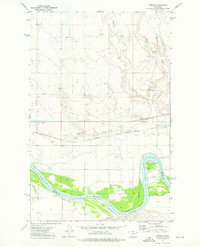 1972 Oswego1976 Print · USGSThe Missouri River valley in Northeast Montana is captured here in the early 1970s, showing a landscape of rail transit and irrigation. Researchers can trace the Burlington Northern line through Oswego, locate the Cem, and see the Main Canal system.
 - 1972 Map of Bobcat Creek, 1976 Print
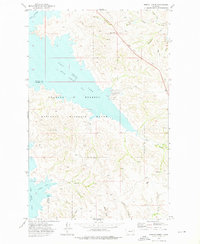 1972 Bobcat Creek1976 Print · USGSThe McCone County prairie meets the vast reach of the Missouri River reservoir in the early 1970s. Trace the intricate shoreline of Fort Peck Lake and find remote landmarks like the solitary Grave or the Bear Creek Recreation Area.
 - 1972 Map of Kintyre, 1976 Print
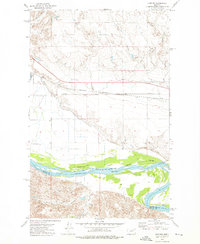 1972 Kintyre1976 Print · USGSBig Sky country meets the Missouri River in the 1970s, where the railroad and irrigation shaped the remote plains. Researchers can trace the Burlington Northern line through Wiota and Kintyre or locate the Frazer Pumping Sta along the river.
 - 1973 Map of Crow Springs, 1977 Print
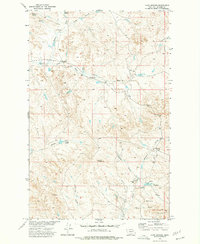 1973 Crow Springs1977 Print · USGSMcCone County, Montana, was a landscape of remote ranching and essential water sources in the early seventies. Genealogists and historians can trace the draws and divides of McGuire Creek to find isolated landmarks like Bonhoff Butte or a solitary Grave.
 - 1973 Map of Willis Buttes, 1977 Print
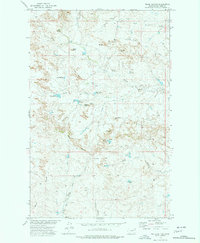 1973 Willis Buttes1977 Print · USGSMcCone County ranching country is captured here in the early 1970s, showing a landscape defined by high divides and essential water improvements. Researchers can trace land features like Vanderhoof Hill, the Bonin Divide, and early aviation infrastructure at the Landing Strip.
 - 1973 Map of Pasture Creek, 1977 Print
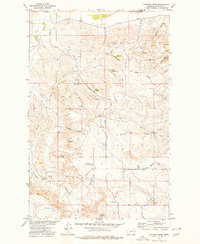 1973 Pasture Creek1977 Print · USGSMcCone County, Montana, is captured in the early 1970s as a landscape of remote ranching and Missouri River Basin development. Researchers can trace land use through features like Deadman Dam, the Landing Strip, and the named coulees of Costella Coulee and Durham Coulee.
 - 1973 Map of Sand Arroyo, 1977 Print
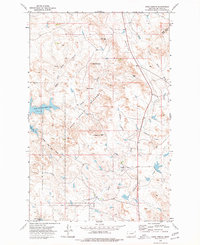 1973 Sand Arroyo1977 Print · USGSThe McCone County breaks and the edges of the Charles M. Russell range appear here as they were in the early seventies. Trace the intricate inlets of North Arm Sand Arroyo Bay and locate family-named landmarks like Andrews Hill and Skyberg.
 - 1973 Map of Rodgers Hall, 1977 Print
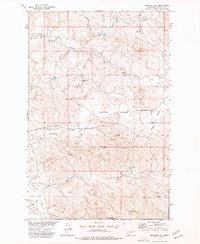 1973 Rodgers Hall1977 Print · USGSMcCone County’s high plains and dissected coulees are captured in the early 1970s as the Missouri River Basin development continued. Researchers can locate family-named landmarks and geological markers like Rodgers Hall, Devils Table Rock, and McDonald Butte.
 - 1973 Map of Mc Rae Springs, 1977 Print
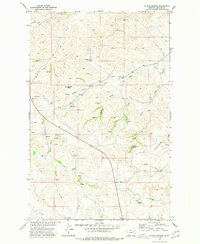 1973 Mc Rae Springs1977 Print · USGSMcCone County ranching country is shown here in the early seventies, a landscape of high plains and vital water sources. Researchers can trace family-named landmarks and essential hydrology like Mc Rae Springs, Bielvins Spring, and Hungry Creek Pass.
 - 1973 Map of Nelson Creek Bay, 1977 Print
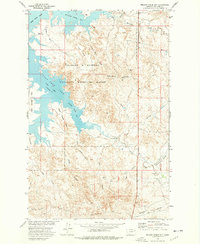 1973 Nelson Creek Bay1977 Print · USGSMcCone County’s rugged shoreline along Fort Peck Lake is captured here in the 1970s within the Charles M Russell National Wildlife Range. Local historians can trace family-named coulees and remote landmarks like Carney Springs, Egan Flat, and the small settlement of Nelson.
 - 1973 Map of Bug Creek, 1978 Print
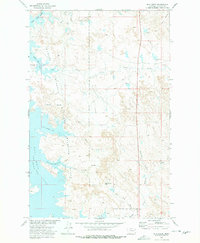 1973 Bug Creek1978 Print · USGSThe McCone County shoreline along Fort Peck Lake is captured here in the early seventies, detailing a landscape shaped by the Missouri River Basin project. Researchers can trace remote water features and landmarks like Bug Creek Bay, Lonnies Bench, and the Nomland Dam.
 - 1978 Map of Fort Peck Lake East
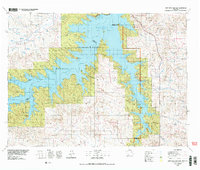 1978 Fort Peck Lake East1978 Print · USGSGarfield County, Montana, is shown here during the late 1970s as the rising waters of Fort Peck Lake reshaped the Missouri River breaks. Genealogists and local researchers can trace family-named sites like Collins Ranch, Keister School, and Rodgers Hall.2 unique versions available
End of results
Showing maps 1-25 of 25
Top cities of McCone County
Frequently asked questions
- What are the different types of historical maps available for McCone County?
- What is the oldest map of McCone County?
- Where can I purchase historical maps of McCone County for my home or office?
- Where can I download high-res historical maps of McCone County?
- Are there historical topographic maps available for McCone County?
- Is there historical aerial imagery available for McCone County?
- Where are historical maps of McCone County sourced from?