Old Maps of Kearney County, Nebraska for Academic Research
Study the evolution of Kearney County with 114 high-resolution historic maps. Whether you're teaching, researching, or modeling changes in land use, these maps provide essential visual documentation of urban, environmental, and geographic change.
- Analyze long-term change: Track patterns in development, transportation, and natural features.
- Ideal for environmental or urban studies: Support academic projects with primary historical map data.
- Use in the classroom or lab: Educators and researchers rely on these maps to bring historical context to life.
These maps are a powerful tool for teaching, research, and visualizing how Kearney County has changed over the decades.
Kearney County, NE maps
(114)- 1894 Map of Kenesaw
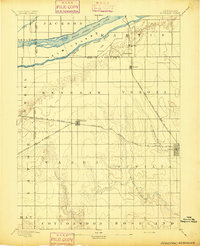 1894 Kenesaw1894 Print · USGSRailroad development and the complex channels of the Platte River dominate the Nebraska landscape in the 1890s. Genealogists and historians can trace the early town plats of Kenesaw and Juniata or locate the historic Wood River Bridge.
 - 1894 Map of Kearney
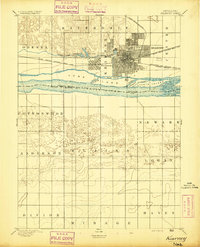 1894 Kearney1894 Print · USGSKearney and the Platte River valley are captured in the late nineteenth century as a vital railroad junction and irrigation center. Genealogists and local historians can trace early settlements like Odessa and West Kearney, or study the complex river channels around Long Island and Evarts Island.2 unique versions available
 - 1894 Map of Minden
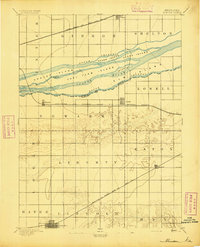 1894 Minden1894 Print · USGSCentral Nebraska at the close of the nineteenth century reveals a landscape shaped by the Platte River and its rail lines. Trace family roots in Minden or explore the river islands like Drover Island and Fort Farm Island.2 unique versions available
 - 1896 Map of Holdrege
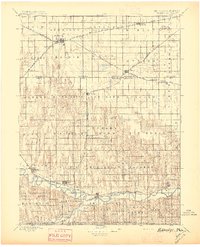 1896 Holdrege1896 Print · USGSSouth-central Nebraska was a burgeoning network of rail towns and river settlements in the late nineteenth century. Genealogists can trace family roots along the Republican River valley in Alma, Bloomington, and Naponee, or explore the early growth of Holdrege as a vital railroad junction.5 unique versions available
 - 1896 Map of Kearney
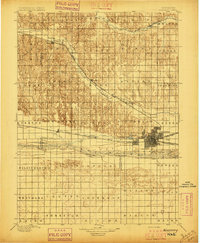 1896 Kearney1896 Print · USGSBuffalo County and the Platte River valley are captured in the late 1890s as the railroad network cemented the region's growth. Genealogists can locate family lands across townships like Williamsburg or trace the early paths of the Union Pacific R. R. and Kearney Canal.7 unique versions available
 - 1896 Map of Wood River
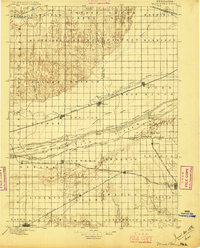 1896 Wood River1896 Print · USGSCentral Nebraska at the close of the nineteenth century is defined by its massive river islands and burgeoning rail towns. Local historians can trace early prairie commerce through the rail lines connecting Wood River, Shelton, and the distinctive Sugar Bowl terrain.4 unique versions available
 - 1897 Map of Red Cloud
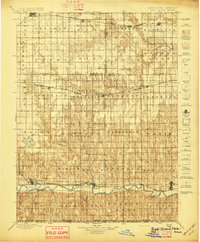 1897 Red Cloud1897 Print · USGSSouthern Nebraska and the Kansas borderlands were being transformed by heavy rail expansion in the 1890s. Genealogists can trace family farmsteads near Red Cloud and Minden, or follow the Republican River to see the early layouts of Riverton and Franklin.4 unique versions available
 - 1955 Map of Grand Island, 1967 Print
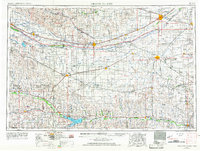 1955 Grand Island1967 Print · USGSCentral Nebraska is seen here during a period of industrial and agricultural growth, centered on the vital Platte River corridor. Researchers can trace the mid-century footprints of the U S Naval Ammunition Depot and the Cornhusker Ordnance Plant.3 unique versions available
 - 1957 Map of Grand Island
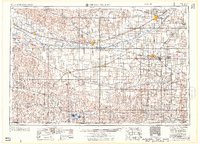 1957 Grand Island1957 Print · USGSCentral Nebraska and Northern Kansas are shown here during a period of massive hydraulic and military expansion in the mid-fifties. Researchers can trace the development of the Harlan County Reservoir and the massive wartime legacy of the Cornhusker Ordnance Plant.
 - 1958 Map of Grand Island
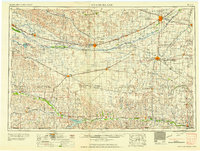 1958 Grand Island1958 Print · USGSSouth-central Nebraska thrived as a rail and industrial hub during the late fifties, shaped by the braided Platte River. Genealogists and historians can trace rail lines like the Union Pacific RR through towns such as Kearney or locate the sprawling Cornhusker Ordnance Plant.
 - 1962 Map of Denman, 1963 Print
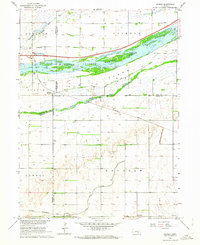 1962 Denman1963 Print · USGSThe braided Platte River channels define this Nebraska landscape in the early sixties as agricultural irrigation and modern highways transformed the valley. Genealogists and rail historians can trace the paths of the Union Pacific and Chicago Burlington and Quincy through Denman and Kenesaw.3 unique versions available
 - 1962 Map of Newark, 1963 Print
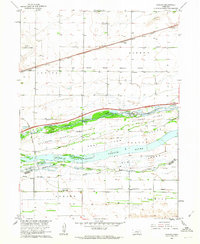 1962 Newark1963 Print · USGSThe braided Platte River valley near the historic Kearney outpost is captured here in the early sixties. Genealogists and local historians can trace the intricate channels of Killgore Island, the grounds of Fort Kearney State Park, and the rail stops at Buda and Newark.3 unique versions available
 - 1962 Map of Kearney, 1964 Print
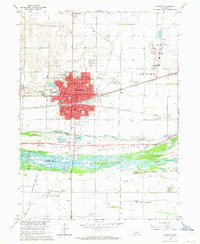 1962 Kearney1964 Print · USGSKearney and the braided Platte River are captured here in the early sixties during a period of infrastructure growth. Researchers can trace the legacy of Nebraska State Teachers College, locate the Old Fort Kearney Military Reservation, or find family ties near Glenwood Park and Buda.4 unique versions available
 - 1962 Map of Alfalfa Center, 1964 Print
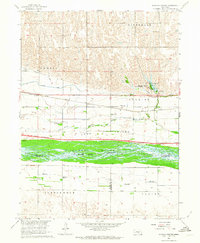 1962 Alfalfa Center1964 Print · USGSBuffalo County is shown during the early 1960s as a landscape in transition, where new highway construction began to parallel the historic rail lines. Researchers can trace rural school districts like School No 114 and family landmarks near Dove Hill Cem and Alfalfa Center.2 unique versions available
 - 1962 Map of Gibbon South, 1964 Print
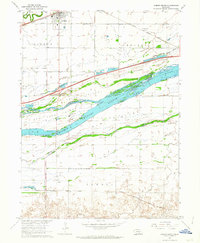 1962 Gibbon South1964 Print · USGSThe braided Platte River valley in the early 1960s reveals a landscape defined by historic island farming and the path of major transcontinental railroads. Genealogists and local historians can trace the foundations of Gibbon and Lowell while locating rural landmarks like St Paul Cem and School No 42.3 unique versions available
 - 1969 Map of Upland, 1971 Print
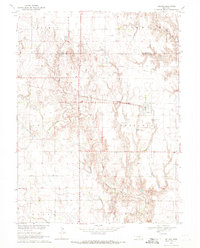 1969 Upland1971 Print · USGSThe village of Upland and the surrounding Nebraska townships are captured here in the late sixties at the height of the railroad era. Genealogists and local historians can trace the Burlington Northern line, the Upland Cem, and the path of Thompson Creek.
 - 1969 Map of Upland SE, 1971 Print
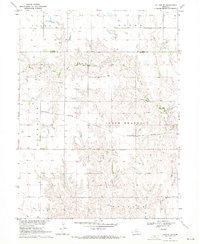 1969 Upland SE1971 Print · USGSFranklin County and the rural Nebraska borderland appear here in the late sixties, showing a landscape defined by prairie drainage and rail. Genealogists and local historians can locate Osco Cem and Trinity Cem or trace the path of the Burlington Northern railroad.
 - 1969 Map of Holstein, 1971 Print
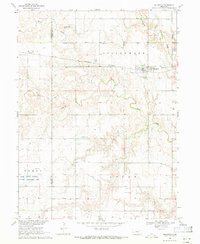 1969 Holstein1971 Print · USGSThe rural landscape of Adams and Kearney Counties comes into focus during the late sixties, centered on the railroad town of Holstein. Genealogists and historians can trace local cemetery sites like Morseville Cem and Logan Cem or locate the Jensen Lagoon National Wildlife Management Area.
 - 1969 Map of Minden North, 1971 Print
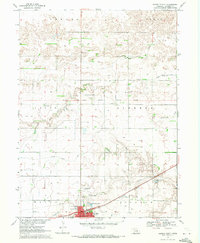 1969 Minden North1971 Print · USGSMinden and the surrounding Nebraska townships are shown in the late sixties as the regional infrastructure evolved. Genealogists and local historians can locate the White Hill Cem, trace the Burlington Northern line, and find the Adams County Canal (Abandoned).
 - 1969 Map of Campbell, 1971 Print
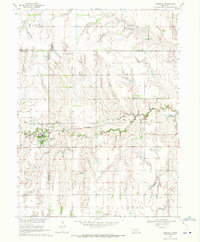 1969 Campbell1971 Print · USGSThe village of Campbell and the surrounding agricultural townships of south-central Nebraska are captured here in the late sixties. Researchers can trace the Burlington Northern rail line and locate several rural burial grounds like St Ann Cem and Koch Cem.
 - 1969 Map of Heartwell, 1971 Print
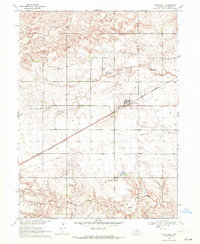 1969 Heartwell1971 Print · USGSNear the close of the sixties, this Kearney County landscape shows a thriving agricultural hub centered on Heartwell and the Burlington Northern rail line. Researchers can trace family roots at Holy Family Cem or investigate the remnants of the Adams County Canal (Abandoned).
 - 1969 Map of Norman, 1971 Print
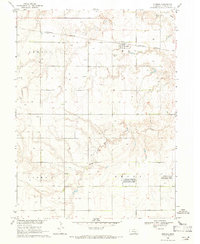 1969 Norman1971 Print · USGSThe village of Norman sits at the heart of Kearney County's agricultural grid during the late sixties. Genealogists and local historians can trace family locations near Norman Cem, May Cem, and the rural Osco Ch along the railroad.
 - 1969 Map of Minden South, 1971 Print
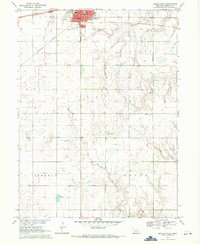 1969 Minden South1971 Print · USGSKearney County comes into focus in the late sixties as a bustling agricultural and rail center. Genealogists and historians can trace the foundations of Minden through its civic landmarks and outlying sites like Fredricksburg Ch and Free Mission Cem.
 - 1969 Map of Kenesaw, 1972 Print
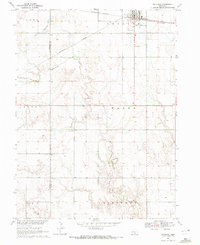 1969 Kenesaw1972 Print · USGSAgricultural life in Adams County during the late sixties is centered on the railroad town of Kenesaw. Genealogists and local historians can trace family ties at the Kenesaw Cem and Shiloh Cem, or locate the isolated Grave site near Cottonwood Creek.
 - 1970 Map of Axtell West, 1972 Print
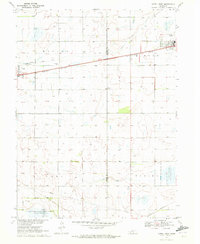 1970 Axtell West1972 Print · USGSThe rural prairie of Phelps and Kearney counties comes into focus in the early 1970s, showcasing the intricate irrigation network of the Mirage Canal. Local researchers can trace the rail corridor of the Burlington Northern through Axtell and Funk, or locate family sites like Fridhem Cem.
Showing maps 1-25 of 114
Top cities of Kearney County
- Minden historical maps
- Axtell historical maps
- Wilcox historical maps
- Newark historical maps
- Lowell historical maps
- Heartwell historical maps
See more
Frequently asked questions
- What are the different types of historical maps available for Kearney County?
- What is the oldest map of Kearney County?
- Where can I purchase historical maps of Kearney County for my home or office?
- Where can I download high-res historical maps of Kearney County?
- Are there historical topographic maps available for Kearney County?
- Is there historical aerial imagery available for Kearney County?
- Where are historical maps of Kearney County sourced from?