1960s Maps of Scotts Bluff County, Nebraska
Explore 22 historic maps of Scotts Bluff County from the 1960s. These maps offer a rare glimpse into what life looked like during the 1960s — showing old roads, neighborhoods, homes, and landmarks that have changed or disappeared over time.
Whether you're researching your family's past, planning a metal detecting trip, or studying how Scotts Bluff County's landscape evolved across the 1960s, these high-resolution maps are a powerful tool for exploring the history of this region.
- Focus on a specific era: All maps on this page are from the 1960s, giving you a focused view of this time period.
- See what’s changed: Compare century-old streets, trails, and buildings to today's modern landscape using overlays and satellite layers.
- Research with precision: Use these maps for genealogy, historical research, land use analysis, or educational projects.
- View, download, or print: Maps are fully viewable online in high resolution, and can be downloaded or printed for your own records.
Start exploring Scotts Bluff County's history through authentic maps from the 1960s. This is your window into the past.
Scotts Bluff County, NE maps
(22)- 1960 Map of Mc Compsey Pass, 1962 Print
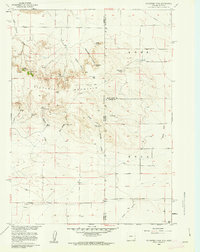 1960 Mc Compsey Pass1962 Print · USGSThe Wyoming-Nebraska borderlands in the early sixties reveal a landscape defined by isolated ranches and essential water sources. Trace the movement of livestock and early settlers through Mc Compsey Pass, the Spahr Ranch, and remote landmarks like Devils Armchair.3 unique versions available
 - 1960 Map of Lyman, 1962 Print
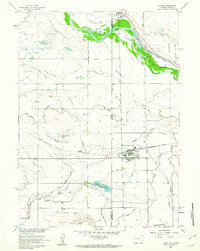 1960 Lyman1962 Print · USGSThe Nebraska-Wyoming border comes alive in the early sixties, showing the agricultural heart of the North Platte valley. Researchers can trace the Emigrant Trail, locate the Historical Mon, and study the rail sidings of Lyman and Henry.3 unique versions available
 - 1960 Map of Stegall, 1962 Print
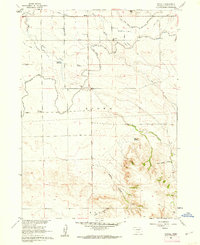 1960 Stegall1962 Print · USGSWestern Nebraska at the start of the sixties reveals a landscape of high-plains agriculture and dramatic bluffs. Genealogists and local historians can locate the Wheatland Sch, Kiowa Community Ch, and the landmark Signal Butte.2 unique versions available
 - 1960 Map of Murray Lake, 1962 Print
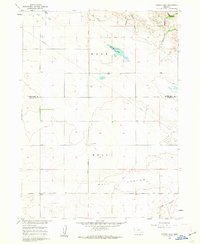 1960 Murray Lake1962 Print · USGSThe high plains of Banner County and Scotts Bluff County are captured here in the early 1960s, showing a landscape of deep canyons and isolated homesteads. Genealogists and local historians can trace the Stegall South Road to the Pleasant Hill Cem or locate seasonal water at Murray Lake.2 unique versions available
 - 1960 Map of Robb Draw, 1962 Print
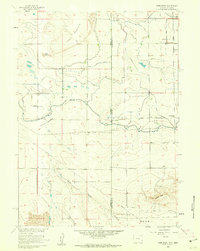 1960 Robb Draw1962 Print · USGSThe high plains of the Wyoming and Nebraska border in the early sixties reveal a landscape defined by large-scale irrigation and isolated rural schoolhouses. Researchers can trace the massive Fort Laramie Canal or locate local landmarks like Kiowa Sch and Togy Mound.3 unique versions available
 - 1963 Map of Scottsbluff South, 1965 Print
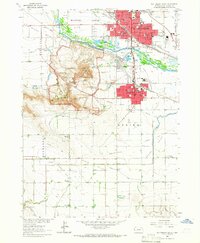 1963 Scottsbluff South1965 Print · USGSMid-century Nebraska communities thrive along the North Platte River during this era of post-war growth and irrigation development. Genealogists and historians can trace Emigrant Trail routes, early schools like Gering Valley Sch, and the Cedar Valley Oil Field.2 unique versions available
 - 1963 Map of Mitchell, 1965 Print
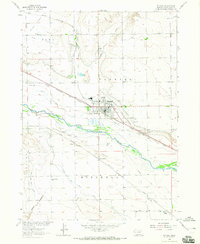 1963 Mitchell1965 Print · USGSWestern Nebraska at the height of the early 1960s shows a landscape defined by the intersection of historic wagon roads and modern irrigation. Researchers can trace the Oregon Trail and Emigrant Trail alongside local landmarks like Mitchell Cem and the Mitchell Valley Sch.2 unique versions available
 - 1963 Map of Scottsbluff North, 1965 Print
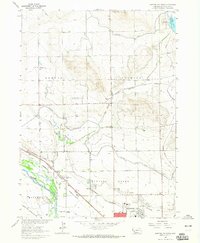 1963 Scottsbluff North1965 Print · USGSNorth of the Platte in the early sixties, this region reveals an intricate network of canals and rail-side settlements. Genealogists and historians can locate family plots at Fairview Cem and trace the paths of the Chicago Burlington and Quincy through Covert and Mintle.2 unique versions available
 - 1963 Map of Morrill, 1965 Print
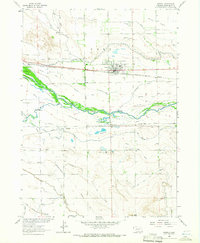 1963 Morrill1965 Print · USGSScotts Bluff County in the early sixties shows a landscape defined by the North Platte River and the vital irrigation canals of the western plains. Genealogists and historians can trace the Emigrant Trail or locate family sites near Morrill, Forest Lawn Cem, and Hartman.2 unique versions available
 - 1963 Map of Torrington SE, 1965 Print
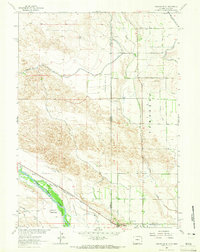 1963 Torrington SE1965 Print · USGSThe high plains of the Wyoming-Nebraska border are captured here in the early 1960s, showing the intersection of pioneer history and modern irrigation. Researchers can trace the path of the Emigrant Trail near the North Platte River and locate local sites like Hunton Meadows and Henry.
 - 1963 Map of Erdman Ranch, 1965 Print
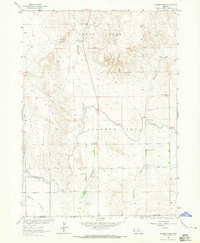 1963 Erdman Ranch1965 Print · USGSHigh plains ranching and intricate canal irrigation meet along the Sioux and Scotts Bluff county line in the early sixties. Genealogists and historians can locate the Erdman Ranch, the Spottedtail Community Hall, and family-named landmarks like the Selby Windmill.
 - 1963 Map of Dry Sheep Creek, 1965 Print
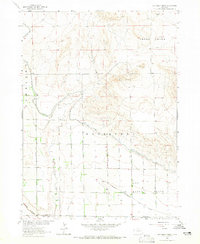 1963 Dry Sheep Creek1965 Print · USGSSioux and Scotts Bluff counties are shown at the height of their mid-century irrigation boom, where the High Plains were transformed by an expansive canal network. Researchers can trace family-named landmarks like Springer Ranch and rural centers such as Roach and Pleasant Grove Ch.
 - 1963 Map of Roubadeau Pass, 1965 Print
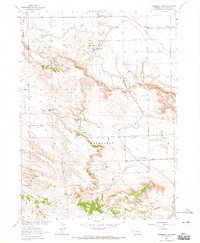 1963 Roubadeau Pass1965 Print · USGSScotts Bluff County in the early sixties reveals a landscape shaped by both pioneer history and modern irrigation. Genealogists and historians can trace the Emigrant Trail near the Roubadeau Trading Post (Site) or locate rural landmarks like the Hair Sch and Carter Canyon Ranch.2 unique versions available
 - 1963 Map of University Lake, 1965 Print
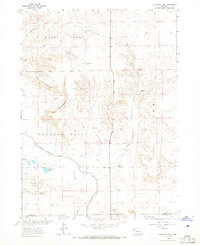 1963 University Lake1965 Print · USGSSioux County ranching country is captured in the early sixties as the irrigation networks of the High Plains were fully established. Researchers can trace historic family operations like Wind Springs Ranch and F-X Ranch or locate early water features such as University Lake.
 - 1965 Map of Minatare, 1967 Print
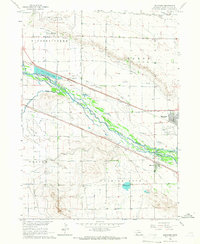 1965 Minatare1967 Print · USGSMinatare and Melbeta are shown at a peak of rail and irrigation development in the mid-1960s. Researchers can trace the path of the Emigrant Trail alongside the Union Pacific tracks or locate family landmarks like Fairview Sch and East Lawn Cem.
 - 1965 Map of Bayard, 1967 Print
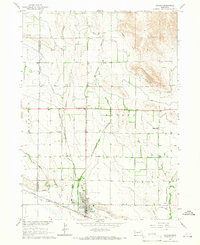 1965 Bayard1967 Print · USGSThe Nebraska panhandle in the mid-1960s shows a landscape transformed by irrigation and rail. Genealogists can trace the rural communities around Moomaw Corner and Craft, or locate local landmarks like School No 81 and Wildhorse Ch.
 - 1965 Map of Bayard NE, 1967 Print
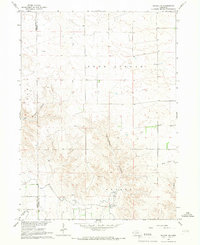 1965 Bayard NE1967 Print · USGSMorrill and Scotts Bluff counties are shown in the mid-1960s as the irrigation network of the High Plains reached maturity. Researchers can trace the complex path of the Highland High Line Canal and locate rural landmarks like School No 17 and the Wildhorse Dam.
 - 1965 Map of South Bayard, 1967 Print
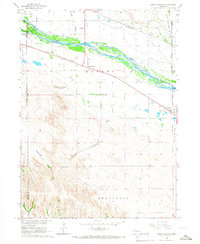 1965 South Bayard1967 Print · USGSMorrill County and the North Platte River valley are captured here in the mid-1960s, a landscape defined by pioneer history and modern irrigation. You can trace the path of the Emigrant Trail past Chimney Rock and locate rural landmarks like School No 50 and Facus Springs.
 - 1965 Map of Lake Alice, 1967 Print
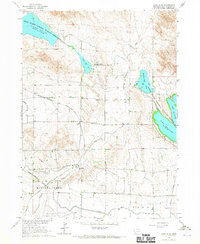 1965 Lake Alice1967 Print · USGSScotts Bluff County in the mid-1960s is defined by its massive irrigation reservoirs and the rail lines serving the Nebraska plains. You can locate family-owned land like Gueck Ranch, trace the Chicago Burlington and Quincy tracks, or find the old Hillcrest Sch.
 - 1965 Map of Bayard SW, 1967 Print
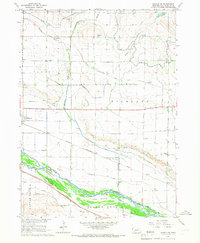 1965 Bayard SW1967 Print · USGSScotts Bluff County is shown in the mid-1960s as a hub of river-valley agriculture and rail transport. Genealogists and historians can trace the irrigation network and locate vanished rural landmarks like Highland Sch, the Adventist Ch, and the settlement of Clouse.2 unique versions available
 - 1965 Map of McGrew, 1967 Print
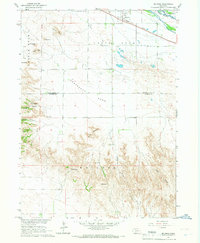 1965 McGrew1967 Print · USGSThe North Platte River valley in the mid-1960s highlights the vital rail-and-water infrastructure of western Nebraska. Researchers can trace historic landmarks like High Butte Cem or navigate the gaps of the Wrights range through Williams Gap and Hubbard Gap.
 - 1965 Map of Lake Minatare, 1967 Print
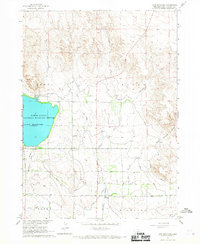 1965 Lake Minatare1967 Print · USGSScotts Bluff County at the height of the 1960s reveals a high-plains landscape shaped by the Tri-State Canal and North Platte National Wildlife Refuge. Trace local history through landmarks like the Lake Minatare Sch and the winding course of Ninemile Creek.
End of results
Showing maps 1-22 of 22
Top cities of Scotts Bluff County
- Scottsbluff historical maps
- Gering historical maps
- Mitchell historical maps
- Terrytown historical maps
- Morrill historical maps
- Minatare historical maps
See more
Frequently asked questions
- What are the different types of historical maps available for Scotts Bluff County?
- What is the oldest map of Scotts Bluff County?
- Where can I purchase historical maps of Scotts Bluff County for my home or office?
- Where can I download high-res historical maps of Scotts Bluff County?
- Are there historical topographic maps available for Scotts Bluff County?
- Is there historical aerial imagery available for Scotts Bluff County?
- Where are historical maps of Scotts Bluff County sourced from?