Old Maps of Sheridan County, Nebraska for Hiking & Exploration
Hike through history with 283 historic maps of Sheridan County. Explore old trails, ghost towns, and forgotten backroads — perfect for outdoor adventurers and local explorers.
- Rediscover forgotten places: Map out old mining camps, roads, and footpaths that no longer exist on modern maps.
- Layer with modern tools: Combine with LiDAR or satellite views to plan hikes through historical terrain.
- Made for exploration: Popular among hikers, overlanders, and local history lovers.
Use these maps to find adventure and explore the hidden past of Sheridan County.
Sheridan County, NE maps
(283)- 1947 Map of Box Butte NE, 1976 Print
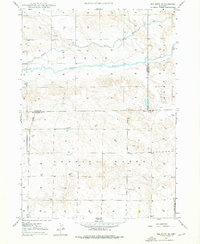 1947 Box Butte NE1976 Print · USGSNorthwestern Nebraska at the end of the 1940s reveals a ranching landscape shaped by the Niobrara River and early irrigation projects. Researchers can locate remote homestead Windmills and the site of School No 80 near the Irrigation Canal.2 unique versions available
 - 1948 Map of Bingham, 1963 Print
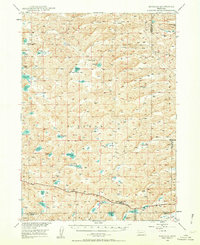 1948 Bingham1963 Print · USGSThe Nebraska Sandhills come into sharp focus in the late 1940s, showing a remote ranching landscape defined by its many lakes and isolated schoolhouses. Genealogists can locate family landmarks like Lambert Ranch, the rail stop at Bingham, and rural sites like Burton Sch.2 unique versions available
 - 1948 Map of Antioch, 1966 Print
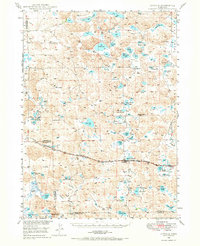 1948 Antioch1966 Print · USGSThe Nebraska sandhills near Antioch are captured here in the late 1940s, showing a landscape defined by alkali lakes and ranching. Genealogists can locate family holdings like Johnston Ranch and Bower Ranch, or trace school districts from School No 117 to School No 130.
 - 1948 Map of Lakeside, 1973 Print
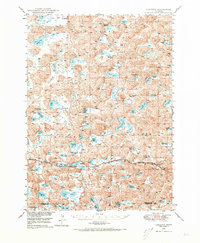 1948 Lakeside1973 Print · USGSSheridan and Garden Counties are captured here in the late 1940s, showcasing a classic Sandhills cattle-ranching landscape. Genealogists and local historians can locate sprawling family holdings like Kitchen Ranch and Boyd Ranch alongside the Chicago Burlington and Quincy rail line.
 - 1948 Map of Twin Lakes, 1976 Print
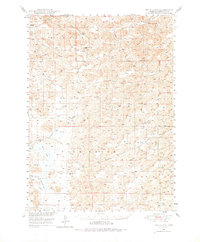 1948 Twin Lakes1976 Print · USGSSheridan County ranching country is captured here in the late forties, showing a landscape of remote valleys and scattered windmills. Genealogists can trace rural school districts like North Sch No 165 or the location of Spring Lake Camp.
 - 1948 Map of Spade Ranch, 1976 Print
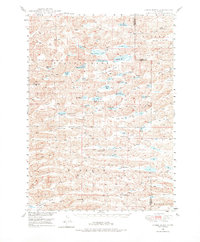 1948 Spade Ranch1976 Print · USGSSheridan and Cherry counties are shown in the late 1940s, a period defined by the isolated ranching life of the Nebraska Sandhills. Researchers can trace the footprint of rural education and ranching at Spade Ranch, Argo, and numerous one-room schoolhouses like School No 166.
 - 1949 Map of Box Butte NE
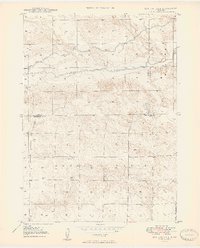 1949 Box Butte NE1949 Print · USGSNorthwest Nebraska's high plains meet the winding Niobrara River during the late 1940s, a time when water meant survival for remote ranching families. Researchers can trace rural school districts like School No 80 and identify dozens of historic Windmill sites across Pepper Creek.2 unique versions available
 - 1949 Map of Antioch
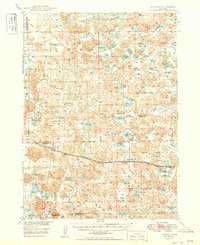 1949 Antioch1949 Print · USGSSheridan County ranching and rail life are documented here in the late 1940s, just after the post-war aerial surveys. Researchers can trace rural school districts like School No 128 and the rail-side operations at Antioch and Hoffland.2 unique versions available
 - 1950 Map of Twin Lakes
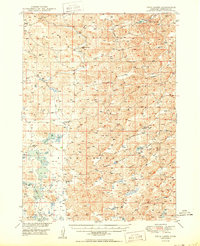 1950 Twin Lakes1950 Print · USGSSheridan County's high plains and marshy basins are captured here at mid-century, documenting a landscape of isolated ranching outposts and rural districts. Genealogists can trace family footprints through numerous local landmarks like North Sch No 165, Spring Lake Camp, and Diamond Lake.2 unique versions available
 - 1950 Map of Spade Ranch
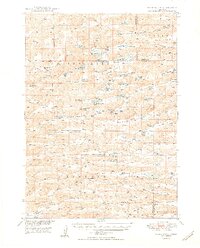 1950 Spade Ranch1950 Print · USGSThe Nebraska Sandhills come into sharp focus mid-century, detailing a region of remote cattle ranching and high plains hydrology. Genealogists and historians can trace the network of rural schoolhouses and family-named landmarks like Spade Ranch, Hill Crest Sch, and McAlister Lake.2 unique versions available
 - 1950 Map of Lakeside
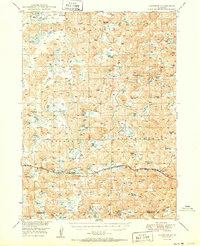 1950 Lakeside1950 Print · USGSThe Nebraska Sandhills come into focus in the mid-century, showcasing a region defined by sprawling cattle operations and the railroad. Researchers can trace historic family-named properties like the John Cody Ranch and Star Ranch alongside the Chicago Burlington and Quincy line.2 unique versions available
 - 1950 Map of Skunk Lake
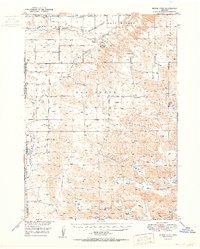 1950 Skunk Lake1950 Print · USGSSheridan and Box Butte counties are shown here at the midpoint of the twentieth century, when rural schools and ranches dotted the Sandhills. Genealogists can locate family landmarks like the Sandoz Ranch, St Peters Cem, and School No 65.2 unique versions available
 - 1950 Map of Bingham
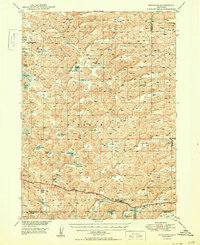 1950 Bingham1950 Print · USGSBingham and the surrounding ranchlands of Sheridan County are shown here in the mid-twentieth century as the railroad still anchored the Sandhills economy. Genealogists and local historians can trace family-named landmarks like Lambert Ranch and isolated rural schoolhouses including School No 156.
 - 1955 Map of Alliance, 1966 Print
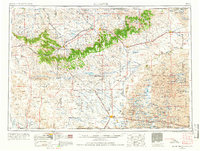 1955 Alliance1966 Print · USGSThe Nebraska panhandle comes into sharp focus during the mid-fifties, showing a landscape defined by the Niobrara River and the expanding Sand Hills. Researchers can trace the grounds of Fort Robinson, locate Saint Marys Church, or follow the Chicago Burlington and Quincy rail line through Hemingford.3 unique versions available
 - 1957 Map of Alliance
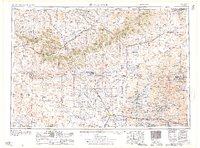 1957 Alliance1957 Print · USGSNorthwest Nebraska in the mid-fifties is captured here as a landscape of rail hubs, sprawling cattle ranches, and the eastern edge of the dunes. Genealogists and historians can trace rail lines through Alliance and Chadron or locate landmarks like Saint Marys Church and the Agate Spring Fossil Beds.
 - 1958 Map of Alliance
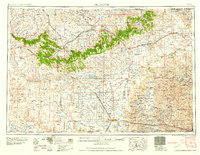 1958 Alliance1958 Print · USGSNorthwestern Nebraska in the late fifties shows a landscape shaped by the legacy of the high plains frontier and modern agricultural expansion. Genealogists and historians can trace rail-line settlements and landmarks like Fort Robinson and the Agate Spring Fossil Beds.
 - 1960 Map of Hay Springs SW, 1961 Print
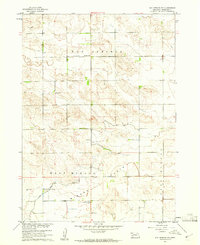 1960 Hay Springs SW1961 Print · USGSSheridan County agricultural lands are documented here during the height of the mid-century irrigation boom. Genealogists and local historians can locate rural landmarks such as St Peters Ch, Sandridge Sch, and the Mirage Flats Project Headquarters.
 - 1960 Map of Hay Springs SE, 1961 Print
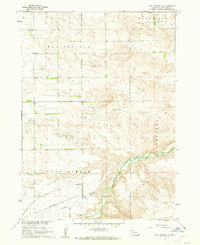 1960 Hay Springs SE1961 Print · USGSNorthwestern Nebraska ranching country comes alive in the early sixties, showing a landscape defined by the Niobrara River. Researchers can locate landmarks like Banner Sch and Sacred Heart Ch in the Hay Springs area.
 - 1966 Map of Chadron 3 SE, 1967 Print
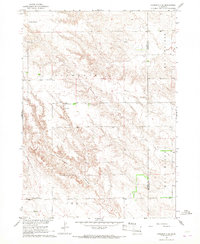 1966 Chadron 3 SE1967 Print · USGSDawes and Sheridan counties meet in this Nebraska panhandle landscape during the mid-sixties. Local history researchers can locate the Antelope Valley Cem and rural school sites such as New Home Sch and Chimney Butte Sch.2 unique versions available
 - 1966 Map of Rushville, 1967 Print
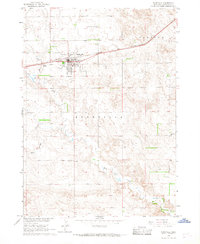 1966 Rushville1967 Print · USGSRushville and the surrounding Sheridan County plains are captured here in the mid-1960s. Researchers can trace rural life through landmarks like Sandy Knoll Sch, the Chicago and North Western rail line, and Fairview Cemetery.
 - 1966 Map of Rushville SW, 1967 Print
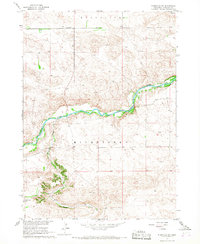 1966 Rushville SW1967 Print · USGSSheridan County ranching country is centered on the river valley in the mid-1960s. Genealogists can trace local roots through rural landmarks like Hillview School, Beguin Cemetery, and the Mill School along the Niobrara River.
 - 1966 Map of Hay Springs NE, 1967 Print
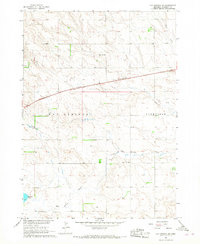 1966 Hay Springs NE1967 Print · USGSSheridan County in the mid-1960s shows a landscape of rail-dependent agriculture and isolated rural schoolhouses. Researchers can trace the path of the Chicago and North Western and locate landmarks like Walgren Lake or the Cem.
 - 1966 Map of Hay Springs, 1967 Print
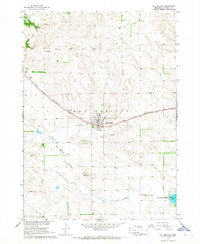 1966 Hay Springs1967 Print · USGSHay Springs and the surrounding Sheridan County plains are captured here in the mid-1960s during a period of steady ranching and rail activity. Researchers can locate country schools like Goldenrod Sch, the waters of Walgren Lake, and family sites at St Marys Cem.
 - 1966 Map of Chadron 3 NE, 1967 Print
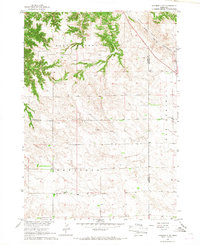 1966 Chadron 3 NE1967 Print · USGSThe Nebraska Panhandle's rural landscape comes into focus during the mid-sixties, showing the intersection of Dawes and Sheridan counties. Researchers can trace the legacy of local education through sites like Pleasant Home Sch and Antelope Sch near the Chicago and North Western rail line.2 unique versions available
 - 1969 Map of Rushville 4 SW, 1971 Print
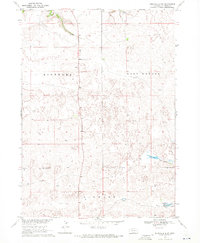 1969 Rushville 4 SW1971 Print · USGSSheridan County ranching country is captured here in the late sixties, showcasing the remote school districts and vast section lines of the Nebraska Panhandle. Genealogists can locate the Hinchley Sch or trace the early course of the Snake River near Bovee Valley.2 unique versions available
Showing maps 1-25 of 283
Top cities of Sheridan County
Frequently asked questions
- What are the different types of historical maps available for Sheridan County?
- What is the oldest map of Sheridan County?
- Where can I purchase historical maps of Sheridan County for my home or office?
- Where can I download high-res historical maps of Sheridan County?
- Are there historical topographic maps available for Sheridan County?
- Is there historical aerial imagery available for Sheridan County?
- Where are historical maps of Sheridan County sourced from?