1960s Maps of Taos County, New Mexico
Explore 46 historic maps of Taos County from the 1960s. These maps offer a rare glimpse into what life looked like during the 1960s — showing old roads, neighborhoods, homes, and landmarks that have changed or disappeared over time.
Whether you're researching your family's past, planning a metal detecting trip, or studying how Taos County's landscape evolved across the 1960s, these high-resolution maps are a powerful tool for exploring the history of this region.
- Focus on a specific era: All maps on this page are from the 1960s, giving you a focused view of this time period.
- See what’s changed: Compare century-old streets, trails, and buildings to today's modern landscape using overlays and satellite layers.
- Research with precision: Use these maps for genealogy, historical research, land use analysis, or educational projects.
- View, download, or print: Maps are fully viewable online in high resolution, and can be downloaded or printed for your own records.
Start exploring Taos County's history through authentic maps from the 1960s. This is your window into the past.
Taos County, NM maps
(46)- 1960 Map of Taos Junction, 1963 Print
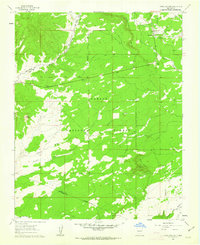 1960 Taos Junction1963 Print · USGSHigh-altitude New Mexico terrain at the dawn of the sixties shows a landscape defined by ranching life and mountain transit. Researchers can trace the Old Railroad Grade and locate long-standing landmarks like Taos Junction and Cerro Azul.3 unique versions available
 - 1961 Map of Carson, 1963 Print
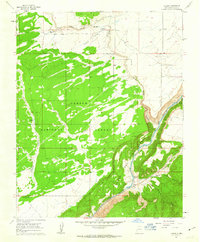 1961 Carson1963 Print · USGSTaos County in the early sixties reveals a landscape of high-altitude forest and deep river canyons. Genealogists and historians can trace the homesteads around Carson PO or locate landmarks like Mondragon Tank and the riverside village of Pilar.3 unique versions available
 - 1961 Map of Tres Orejas, 1963 Print
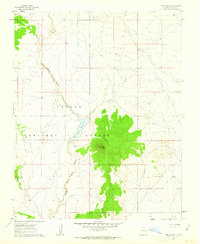 1961 Tres Orejas1963 Print · USGSNorthern New Mexico in the early 1960s features a landscape of high-desert peaks and arroyos. Researchers can trace the drainage of the Arroyo Aguaje de la Petaca and identify the summits of Tres Orejas within the Carson National Forest.2 unique versions available
 - 1961 Map of Servilleta Plaza, 1963 Print
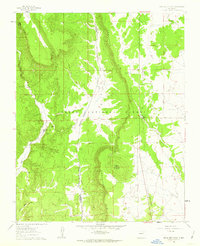 1961 Servilleta Plaza1963 Print · USGSNorthern New Mexico's high-country terrain is captured here in the early sixties, centered on the settlement of Servilleta Plaza. Genealogists and historians can trace the Old Railroad Grade near Route 285 and locate landmarks like Cerro Mojino.2 unique versions available
 - 1962 Map of Aztec
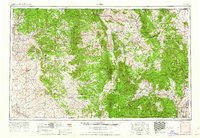 1962 Aztec1962 Print · USGSNorthwestern New Mexico in the early sixties showcases a landscape defined by the arrival of the Navajo Reservoir and the high-altitude timber of the Carson National Forest. Trace the path of the Denver & Rio Grande Western RR or locate historic settlements like Tierra Amarilla and Gobernador.
 - 1962 Map of Ash Mountain, 1964 Print
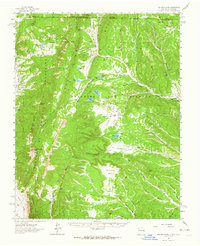 1962 Ash Mountain1964 Print · USGSThe Sangre de Cristo Mountains and the historic Maxwell Land Grant are captured here in the early sixties. Researchers can trace high-altitude ranching and mining history through sites like the Van Lint Mine, Penatlor Ruins, and family-named landmarks like Banning Place.3 unique versions available
 - 1963 Map of Los Pinos, 1967 Print
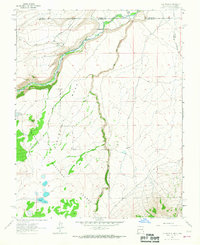 1963 Los Pinos1967 Print · USGSThe high borderlands of New Mexico and Colorado are captured here in the early sixties as the railroad still wound through the mountain passes. Researchers can trace the narrow-gauge path of the Denver and Rio Grande Western near Lava and Los Pinos.2 unique versions available
 - 1963 Map of Wheeler Peak, 1967 Print
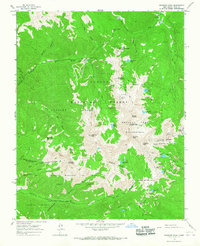 1963 Wheeler Peak1967 Print · USGSThe Sangre de Cristo Mountains rise to their highest New Mexico point in the early 1960s, revealing a landscape of high-altitude mining and wilderness. Trace the old mining operations at Twining and the Bull of the Woods Pasture Mines or locate remote outposts like Ditch Cabin.2 unique versions available
 - 1963 Map of Pinabetoso Peaks, 1967 Print
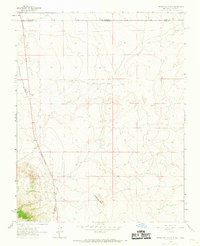 1963 Pinabetoso Peaks1967 Print · USGSThe high borderlands between New Mexico and Colorado are captured here in the early 1960s, showing a landscape defined by industrial history and rugged terrain. Local historians can trace the clear path of the Old Railroad Grade as it bypasses the Pinabetoso Peaks.2 unique versions available
 - 1963 Map of Eagle Nest, 1967 Print
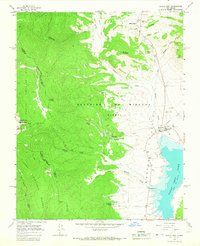 1963 Eagle Nest1967 Print · USGSThe Moreno Valley and the Sangre de Cristo high country come into focus during the early sixties, centered on the waters of Eagle Nest Lake. Local historians can trace the Maxwell Grant boundaries and find remote sites like the Klondike Mine and Idlewild.3 unique versions available
 - 1963 Map of Costilla, 1967 Print
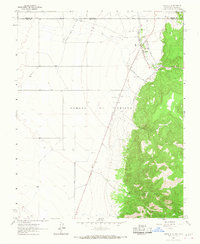 1963 Costilla1967 Print · USGSThe Colorado-New Mexico borderlands in the early 1960s reveal a landscape defined by traditional irrigation and ranching. Genealogists and historians can trace family-named water systems like Acequia Madre and Cordillera Ditch near the village of Costilla.3 unique versions available
 - 1963 Map of Arroyo Seco, 1967 Print
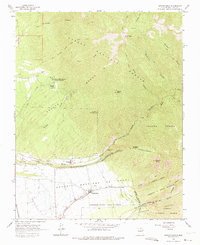 1963 Arroyo Seco1967 Print · USGSIn the high country north of Taos during the early sixties, the valley settlements meet the Sangre de Cristo foothills. Genealogists and historians can trace traditional land grants and local landmarks like Arroyo Seco, Valdez, and the Lawrence Ranch.2 unique versions available
 - 1963 Map of Amalia, 1967 Print
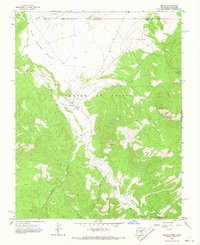 1963 Amalia1967 Print · USGSTaos County’s high mountain valleys are captured in the early sixties as they transition into the modern era. Genealogists and local historians can trace the community life of the region through landmarks like Santo Niño Ch, Amalia Sch, and the isolated Mine sites near Ballejos Creek.2 unique versions available
 - 1963 Map of Arroyo Hondo, 1967 Print
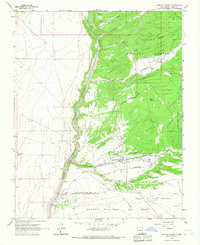 1963 Arroyo Hondo1967 Print · USGSTaos County in the early sixties reveals a landscape of traditional acequias and historic Spanish land grants along the river canyons. Genealogists can trace family sites like the Lady of Sorrows Ch and Rael Cem or locate the Manby Hot Springs.
 - 1963 Map of Tres Piedras NE, 1967 Print
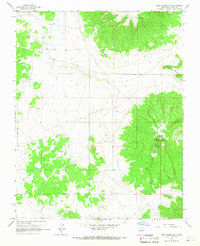 1963 Tres Piedras NE1967 Print · USGSTaos County during the early sixties is characterized here by its prominent volcanic domes and high-desert isolation. Researchers can trace resource activity near Brushy Mountain at the United Mine or locate the primitive Jeep Trail winding past Cerro de la Olla.
 - 1963 Map of Red River Pass, 1967 Print
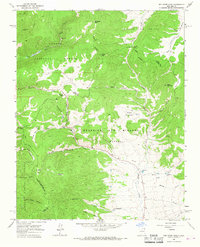 1963 Red River Pass1967 Print · USGSHigh in the Sangre de Cristo range during the early sixties, this area shows a landscape of mountain passes and mining history. Researchers can locate remote high-altitude sites like Memphis, explore mines near Bitter Creek, and trace the early roads through Red River Pass.2 unique versions available
 - 1963 Map of Cerro De La Olla, 1967 Print
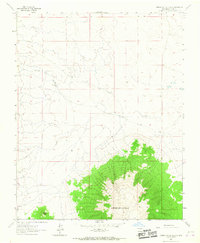 1963 Cerro De La Olla1967 Print · USGSThe high volcanic plateau of northern New Mexico is documented here in the early sixties, centered on the massive Cerro De La Olla. Genealogists and historians can trace local land markers like McGregor Place and the winding course of Arroyo Punche.
 - 1963 Map of Cerro, 1967 Print
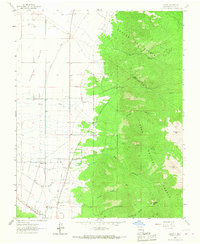 1963 Cerro1967 Print · USGSHigh-altitude agriculture meets the mountain front in Taos County during the early 1960s. Researchers can trace irrigation networks like the Sunshine Canal and find local heritage sites including Cerro, El Rito, and Latir Cem.
 - 1963 Map of Ute Mountain, 1967 Print
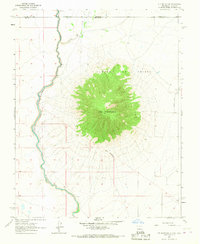 1963 Ute Mountain1967 Print · USGSThe volcanic heights of the Sangre De Cristo range meet the New Mexico-Colorado border in the early 1960s. Researchers can trace the dramatic Cañon Del Rio Grande, a remote Landing Strip, and the historic Grant Boundary.3 unique versions available
 - 1963 Map of Sunshine, 1967 Print
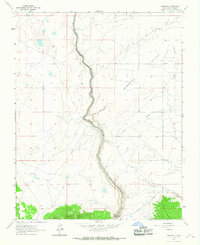 1963 Sunshine1967 Print · USGSTaos County’s high plateau is recorded here in the early sixties, defined by the deep gorge of the Rio Grande Canon Del. Researchers can trace old irrigation systems like Ditch No 3 and locate the Sunshine Valley Cem near the Sunshine settlement.2 unique versions available
 - 1963 Map of La Segita Peaks NE, 1967 Print
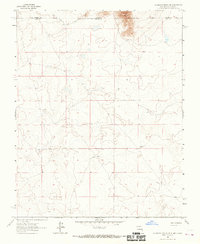 1963 La Segita Peaks NE1967 Print · USGSThe Colorado and New Mexico borderlands come into focus in this mid-century survey of the high desert. Researchers can trace early water management along the Valley Ditch and locate an isolated Well in the northern terrain.
 - 1963 Map of Cerro De Los Taoses, 1967 Print
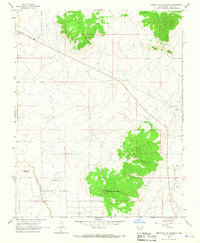 1963 Cerro De Los Taoses1967 Print · USGSNorthern New Mexico's high plateau comes into focus during the early sixties, showing the transition between forest land and open range. Researchers can locate the settlement of One-Eleven and trace seasonal watercourses like the Arroyo de la Petaca near Cerro de los Taoses.
 - 1963 Map of La Segita Peaks, 1967 Print
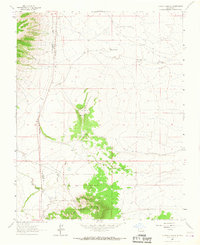 1963 La Segita Peaks1967 Print · USGSThe high volcanic plateaus of Taos and Rio Arriba counties are captured here in the early sixties. Follow the Old Railroad Grade past La Segita Peaks and identify mid-century industrial sites like the Strip Mine.
 - 1963 Map of Questa, 1967 Print
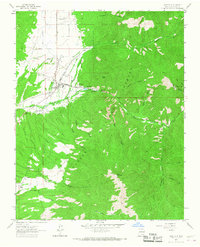 1963 Questa1967 Print · USGSQuesta and the Sangre de Cristo foothills are captured here in the early sixties, showing a landscape of mining, ranching, and forest management. Researchers can trace the grounds of St Anthony Cemetery, the operations at Questa Molybdenum Mine, and the rural layout of Lama.
 - 1963 Map of Guadalupe Mountain, 1967 Print
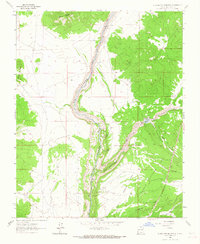 1963 Guadalupe Mountain1967 Print · USGSNorthern New Mexico's volcanic and river landscapes are captured here in the early 1960s as outdoor recreation began to formalize within the Carson National Forest. Trace the primitive access roads to the Red River State Fish Hatchery and remote riverside sites like Arsenic Springs Campground.
Showing maps 1-25 of 46
Top cities of Taos County
- Taos historical maps
- Questa historical maps
- Red River historical maps
- Costilla historical maps
- Taos Ski Valley historical maps
Frequently asked questions
- What are the different types of historical maps available for Taos County?
- What is the oldest map of Taos County?
- Where can I purchase historical maps of Taos County for my home or office?
- Where can I download high-res historical maps of Taos County?
- Are there historical topographic maps available for Taos County?
- Is there historical aerial imagery available for Taos County?
- Where are historical maps of Taos County sourced from?