2000s (21st Century) Maps of Wayne County, North Carolina
Explore 85 historic maps of Wayne County from the 2000s (21st Century). These maps offer a rare glimpse into what life looked like during the 2000s — showing old roads, neighborhoods, homes, and landmarks that have changed or disappeared over time.
Whether you're researching your family's past, planning a metal detecting trip, or studying how Wayne County's landscape evolved across the 2000s, these high-resolution maps are a powerful tool for exploring the history of this region.
- Focus on a specific era: All maps on this page are from the 2000s, giving you a focused view of this time period.
- See what’s changed: Compare century-old streets, trails, and buildings to today's modern landscape using overlays and satellite layers.
- Research with precision: Use these maps for genealogy, historical research, land use analysis, or educational projects.
- View, download, or print: Maps are fully viewable online in high resolution, and can be downloaded or printed for your own records.
Start exploring Wayne County's history through authentic maps from the 2000s. This is your window into the past.
Wayne County, NC maps
(85)- 2010 Map of Southwest Goldsboro, 2010 Print
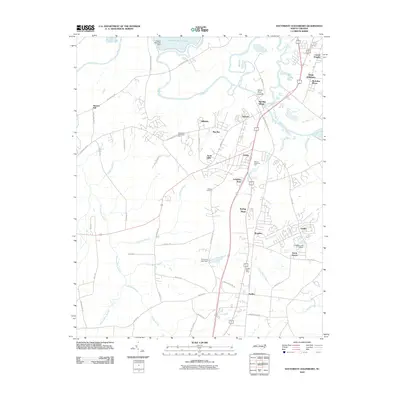 2010 Southwest Goldsboro2010 Print · USGSCoastal plain settlements south of Goldsboro are captured here just after the first decade of the new millennium. Genealogists and local historians can trace family locations near Dudley Post Office, Rhodes Cemetery, and the historic Stevens Mill.
 - 2010 Map of Newton Grove North, 2010 Print
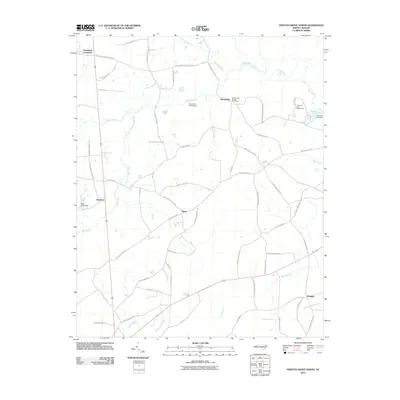 2010 Newton Grove North2010 Print · USGSNorth Carolina's rural landscape comes into focus in this late-2000s survey of the areas surrounding the Bentonville Battleground. Genealogists and local historians can trace family-named roads and rural settlements like Strickland Crossroads and Starlight.
 - 2010 Map of Kenly East, 2010 Print
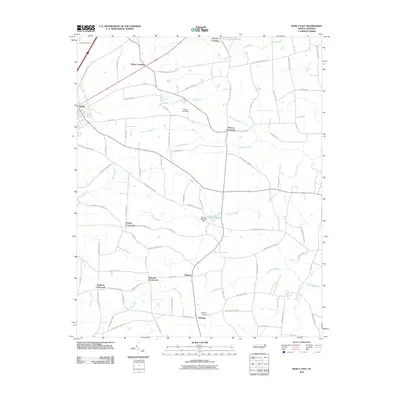 2010 Kenly East2010 Print · USGSCoastal plain farmland and swamp drainage networks define this corner of Johnston County during the early 2000s. Genealogists and local historians can trace family-named landmarks and rural hubs such as Edgerton Cemetery, Hickory Crossroads, and Pinkney.
 - 2010 Map of Dobbersville, 2010 Print
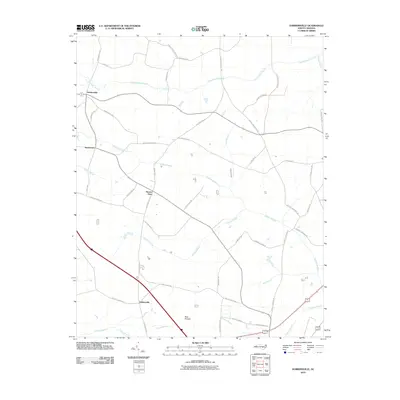 2010 Dobbersville2010 Print · USGSCoastal plain wetlands and small rural settlements define this part of eastern North Carolina in the early twenty-first century. Genealogists and local historians can trace family road names and locate community hubs like Dobbersville, Skeeter Point, and the Bear Pocosin.
 - 2010 Map of Newton Grove South, 2010 Print
 2010 Newton Grove South2010 Print · USGSSampson County's agricultural landscape is seen here just after the first decade of the millennium, shaped by its vast swamp networks. Genealogists and historians can locate old family-named routes like Kornegay Town Rd and rural hubs such as Monks Crossroads or Suttontown.
 - 2010 Map of Northwest Goldsboro, 2010 Print
 2010 Northwest Goldsboro2010 Print · USGSThe rural and residential landscape northwest of Goldsboro is shown here in the years following the millennium. Genealogists and local historians can trace family-named crossroads and landmarks like Peacock Crossroads, Evergreen Memorial Cemetery, and Quaker Neck Lake.
 - 2010 Map of Princeton, 2010 Print
 2010 Princeton2010 Print · USGSEastern Johnston County thrives around the Neuse River and Princeton in the early twenty-first century. Genealogists and local historians can trace family markers like Thompson Cemetery, the rural community of Raynor Town, and landmarks such as the Holts Mill Pond Dam.
 - 2010 Map of Grantham, 2010 Print
 2010 Grantham2010 Print · USGSCoastal plain farmland and river bottomlands define the Grantham area during the early twenty-first century. Researchers can trace the heritage of local industry and transit through landmarks like Cox Mill, Sylvania Lake Dam, and the crossings of the Neuse River.
 - 2010 Map of La Grange, 2010 Print
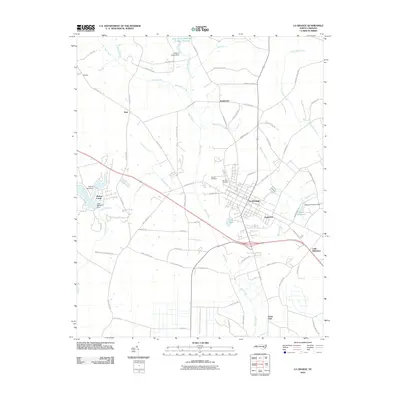 2010 La Grange2010 Print · USGSLa Grange and its surrounding Lenoir County townships are documented here during the early twenty-first century. Researchers can trace the layout of community cemeteries like Fairview Cemetery, and locate outlying settlements such as Jenny Lind, Best, and Little Baltimore.
 - 2010 Map of Jason, 2010 Print
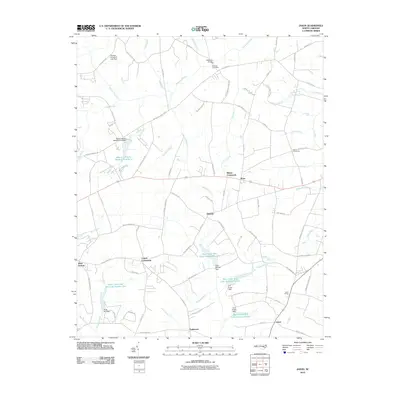 2010 Jason2010 Print · USGSEastern North Carolina's rural landscape is captured here in the early twenty-first century, showing a region defined by its swamps and crossroads. Genealogists and local historians can trace family-named landmarks and old communities like Bullhead Post Office, Cokers Crossroads, and Jason Corner.
 - 2010 Map of Fremont, 2010 Print
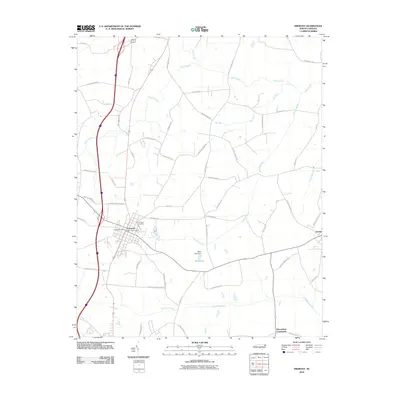 2010 Fremont2010 Print · USGSCoastal plain agriculture and wetlands define Wayne County during the early twenty-first century. Genealogists and local historians can trace family-named routes and landmarks such as Elmwood Cemetery, Edmundson Crossroads, and West Lake.
 - 2010 Map of Seven Springs, 2010 Print
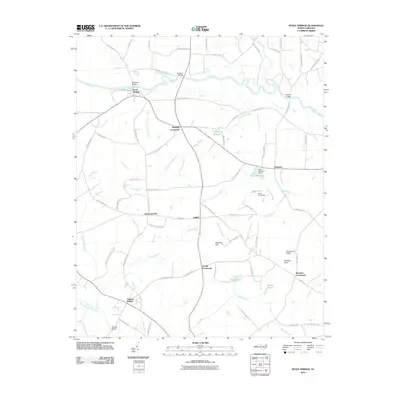 2010 Seven Springs2010 Print · USGSWayne County crossroads and river landings are documented here during the early twenty-first century. Genealogists and local historians can locate ancestral sites near Drummersville, Wootens Crossroads, and the old Whitehall Bridge over the Neuse.
 - 2010 Map of Stantonsburg, 2010 Print
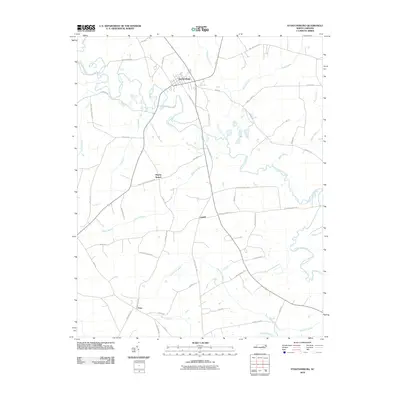 2010 Stantonsburg2010 Print · USGSCoastal plain settlements and winding creek beds define this portion of Wilson County in 2010. Researchers can trace historic farm-to-market routes and family names through Stantonsburg, Faro, and the wetlands surrounding Contentnea Creek.
 - 2010 Map of Mount Olive, 2010 Print
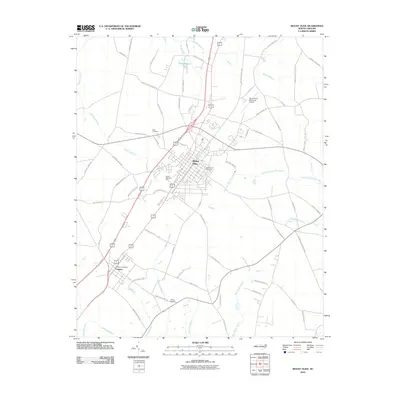 2010 Mount Olive2010 Print · USGSMount Olive and the nearby village of Calypso are depicted in this 2010 survey of Wayne County. Researchers can trace local genealogy and land use through landmarks like Maplewood Cemetery, Wilson Cemetery, and the Northeast Cape Fear River valley.
 - 2010 Map of Southeast Goldsboro, 2010 Print
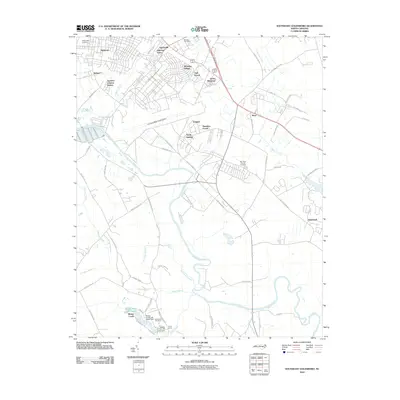 2010 Southeast Goldsboro2010 Print · USGSSoutheast Goldsboro's suburban and military landscape is captured here in the early twenty-first century, as the city expanded toward the Neuse River. Researchers can locate family landmarks at Hillcrest Farm, explore the history of Seymour Johnson Homes, or find ancestral sites at Willow Dale Cemetery and New Hope Friends Cemetery.
 - 2010 Map of Williams, 2010 Print
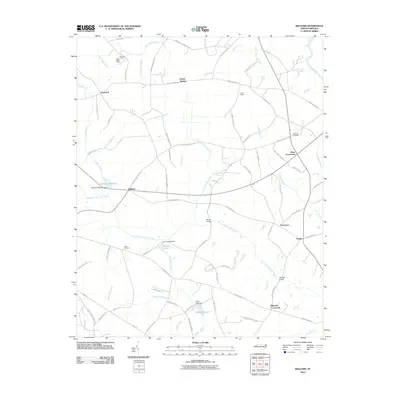 2010 Williams2010 Print · USGSCoastal plain life in the 2010s centered on river bends and quiet crossroads east of the Neuse River. Trace local genealogy and family landmarks at Pricetown, Hines Crossroads, and Jones Cemetery, or explore the hydrology of Williams Millpond and Halls Marsh.
 - 2010 Map of Northeast Goldsboro, 2010 Print
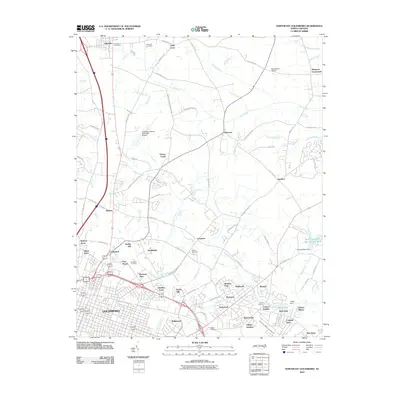 2010 Northeast Goldsboro2010 Print · USGSGoldsboro and its northern suburbs are shown here at the turn of the decade, where growing residential neighborhoods meet established agricultural crossroads. Researchers can trace local lineage through several sites like Old Mill Cemetery and the town of Pikeville.
 - 2013 Map of Stantonsburg, 2013 Print
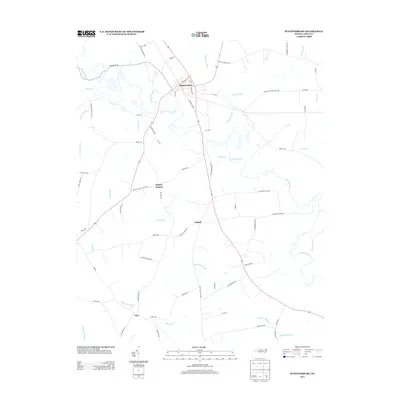 2013 Stantonsburg2013 Print · USGSStantonsburg and the surrounding North Carolina coastal plain are captured here in the early twenty-first century. Genealogists and local historians can trace the rural communities of Watery Branch, Lindell, and Faro alongside landmarks like Contentnea Cr.
 - 2013 Map of Jason, 2013 Print
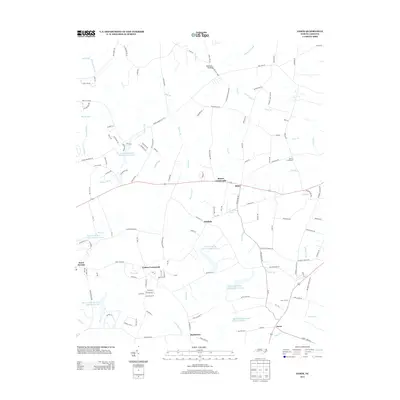 2013 Jason2013 Print · USGSCoastal plain farming communities and managed watersheds define this part of eastern North Carolina in the early 2010s. Researchers can trace rural hubs like Cokers Crossroads, family-named roads, and local water features including Jimmy Prong and Nahunta Swamp.
 - 2013 Map of Seven Springs, 2013 Print
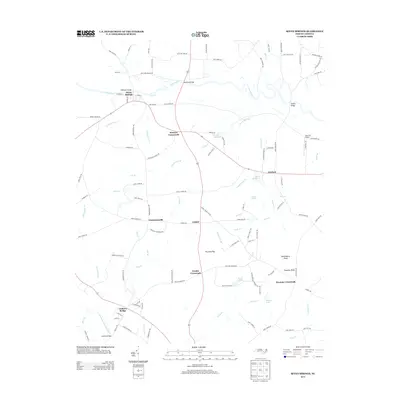 2013 Seven Springs2013 Print · USGSIn the early twenty-first century, this Wayne County landscape remains defined by its river bends and historic intersections. Trace the connections between Seven Springs and rural hubs like Husseys Crossroads or the quiet millponds at Hardy Millpond and Davis Millpond.
 - 2013 Map of Fremont, 2013 Print
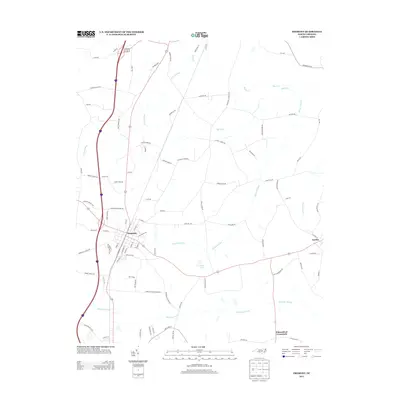 2013 Fremont2013 Print · USGSFremont and the surrounding Wayne County wetlands are documented here in the early twenty-first century. Researchers can trace local lineage through family-named roads and rural hubs like Eureka, Edmundson Crossroads, and Carrboro.
 - 2013 Map of Williams, 2013 Print
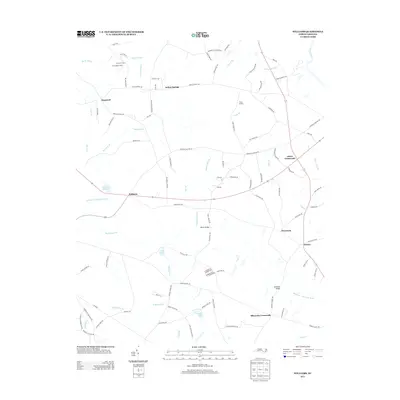 2013 Williams2013 Print · USGSCoastal plain farmland and riverbottoms in Wayne County are captured here just over a decade ago. Genealogists and local historians can trace family land via Jarvis Carter Ln, visit Pineview Cemetery, or locate old crossings at Shines Bridge.
 - 2013 Map of Southeast Goldsboro, 2013 Print
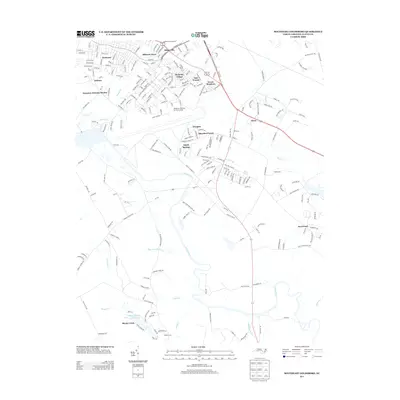 2013 Southeast Goldsboro2013 Print · USGSWayne County saw significant suburban and military development in the early twenty-first century as Goldsboro expanded south and east. Researchers can trace the layout of Seymour Johnson Air Force Base and residential communities like Webtown and Elroy near the Neuse River.
 - 2013 Map of Northeast Goldsboro, 2013 Print
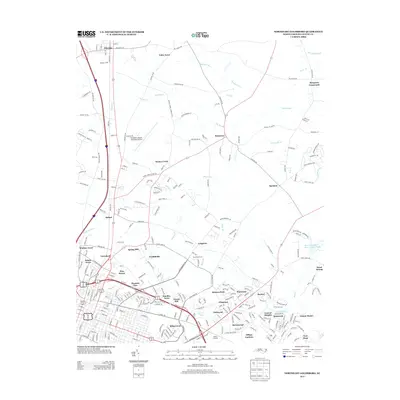 2013 Northeast Goldsboro2013 Print · USGSNorthern Wayne County is seen here during a decade of rapid suburban expansion north of the city. Genealogists and local historians can trace the growth of neighborhoods like Winbon Acres and Tiffany Gardens near the Goldsboro-Wayne Municipal Airport.
 - 2013 Map of La Grange, 2013 Print
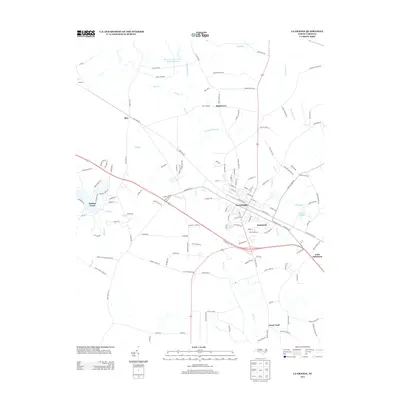 2013 La Grange2013 Print · USGSLa Grange and its surrounding Lenoir County hamlets are captured here in the early twenty-first century, showing a landscape defined by creeks and traditional settlements. Trace local family history and land use through named places like Walnut Creek, Little Baltimore, and the waters of Walters Millpond.
Showing maps 1-25 of 85
Top cities of Wayne County
- Goldsboro historical maps
- Mount Olive historical maps
- Fremont historical maps
- Walnut Creek historical maps
- Pikeville historical maps
- Eureka historical maps
See more
Frequently asked questions
- What are the different types of historical maps available for Wayne County?
- What is the oldest map of Wayne County?
- Where can I purchase historical maps of Wayne County for my home or office?
- Where can I download high-res historical maps of Wayne County?
- Are there historical topographic maps available for Wayne County?
- Is there historical aerial imagery available for Wayne County?
- Where are historical maps of Wayne County sourced from?