Old Maps of Urbana, Ohio for Metal Detecting
Plan your next treasure hunt with 35 historic maps of Urbana. Find old homesites, ghost towns, trails, and gathering spots that may be lost to time — perfect for identifying promising metal detecting locations.
- Locate forgotten sites: Uncover places like long-lost settlements, abandoned rail lines, or gathering spots.
- Plan better hunts: Use map overlays combined with LiDAR or satellite views to narrow in on historically rich areas.
- Made for detectorists: Thousands of hobbyists use these maps to discover relics, coins, and hidden history.
Use these historic maps to boost your research and find new opportunities beneath the surface of Urbana.
Urbana, OH maps
(35)- 1914 Map of St. Paris, 1954 Print
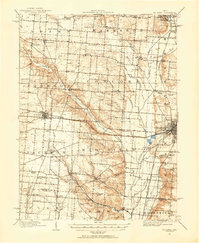 1914 St. Paris1954 Print · USGSChampaign County at the height of the steam and electric rail era shows a landscape of thriving rural school districts and busy market towns. Trace the footprints of early education at Mt Jesse School or locate family roots near Millerstown and the County Infirmary.2 unique versions available
 - 1914 Map of Mechanicsburg, 1954 Print
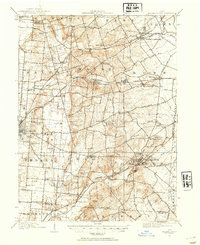 1914 Mechanicsburg1954 Print · USGSChampaign County at the start of the Great War was a thriving landscape of rail-connected villages and one-room schoolhouses. Genealogists can trace family footprints at Pretty Prairie School, the ancient Indian Mound, or along the busy tracks of the Erie RR in North Lewisburg.
 - 1916 Map of Mechanicsburg, 1936 Print
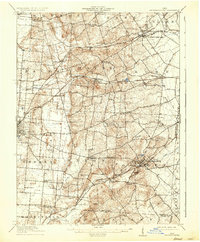 1916 Mechanicsburg1936 Print · USGSChampaign County at the height of the rail era shows a landscape where small villages and rural schoolhouses thrived alongside major transit corridors. Genealogists and historians can trace family locations near landmarks like Indian Mound, Catawba Station, and Five Points School.
 - 1916 Map of St. Paris, 1936 Print
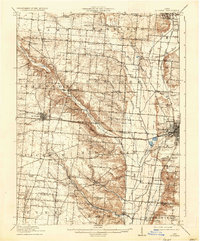 1916 St. Paris1936 Print · USGSChampaign and Clark counties are shown here just before the first World War, revealing a landscape of rural schoolhouses and bustling rail junctions. Researchers can locate family landmarks like the Speece School or trace the path of the Ohio Electric Ry through Tremont City.
 - 1944 Map of Mechanicsburg
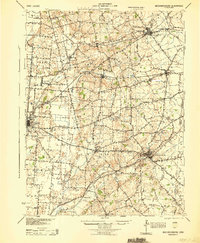 1944 Mechanicsburg1944 Print · USGSChampaign County and its borders with Logan, Union, and Clark counties are shown here during the peak of the rail era in the 1940s. Genealogists and historians can locate numerous rural schools like Pretty Prairie Sch and landmarks such as the Indian Mound and White Cem.
 - 1944 Map of St. Paris
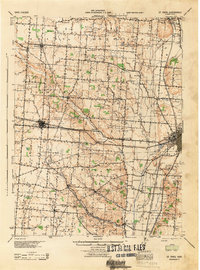 1944 St. Paris1944 Print · USGSChampaign County at the height of the war years reveals a landscape of thriving rural schoolhouses and bustling rail junctions. Genealogists can trace family footprints through sites like Mt Zion Ch, Carysville, and the County Infirmary.
 - 1950 Map of Marion
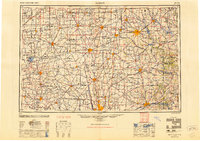 1950 Marion1950 Print · USGSCentral Ohio was a powerhouse of rail and river industry at the mid-century point, serving as a vital corridor between the Great Lakes and the Ohio River valley. Genealogists and rail historians can trace the paths of the Erie RR and Nickel Plate Road through towns like Bucyrus, Galion, and Upper Sandusky.
 - 1961 Map of Kingscreek, 1962 Print
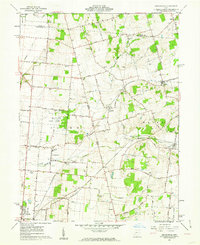 1961 Kingscreek1962 Print · USGSChampaign and Logan counties are documented here in the early sixties, showing a rural landscape of family farms and rail-stop villages. Trace local genealogy and industry through Ohio Caverns, the Township High Sch, and the Erie Lackawanna rail corridor.3 unique versions available
 - 1961 Map of Urbana West, 1962 Print
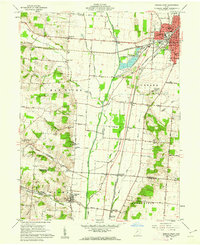 1961 Urbana West1962 Print · USGSUrbana and the Mad River valley are captured in the early sixties as a bustling hub of rail transport and rural industry. Genealogists can trace family sites at Nettle Creek Cem and Cook Cem or locate the old Urbana Jr College.4 unique versions available
 - 1961 Map of Northville, 1962 Print
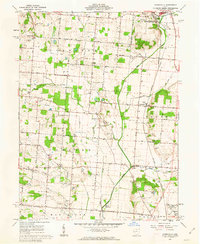 1961 Northville1962 Print · USGSChampaign County in the early 1960s is a landscape of established family farms and thriving rural hamlets like Northville and Millerstown. Researchers can trace ancestral sites through numerous family cemeteries including Scott and Pullins Cem and Idle and Stevens Cem.2 unique versions available
 - 1961 Map of Urbana East, 1962 Print
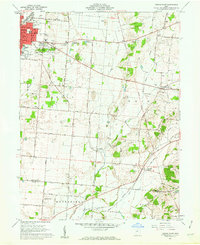 1961 Urbana East1962 Print · USGSThe eastern edges of Urbana and the surrounding Champaign County farmlands are captured in the early sixties as the regional rail network still connected small rural hubs. Researchers can trace ancestral sites at Oakdale Cemetery, identify the location of Lawn View Sch, or find the small hamlet of Mutual.4 unique versions available
 - 1962 Map of Marion
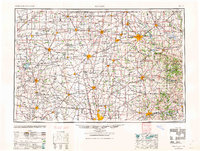 1962 Marion1962 Print · USGSCentral Ohio during the post-war era showcases a dense network of railroad towns and emerging interstate highways. Genealogists can trace family roots in smaller settlements like Houcktown and Marseilles or locate landmarks near Indian Lake.
 - 1966 Map of Marion, 1968 Print
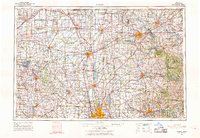 1966 Marion1968 Print · USGSCentral Ohio in the mid-sixties is captured during a period of rapid highway expansion and industrial connectivity. Genealogists and historians can trace rail-and-river networks through towns like Marion, Urbana, and Mount Vernon, or locate landmarks such as Malabar Farm and Black Hand Rock.3 unique versions available
 - 1986 Map of Bellefontaine
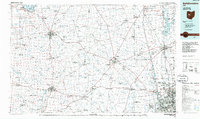 1986 Bellefontaine1986 Print · USGSWest Central Ohio in the mid-1980s reveals a landscape of growing metropolitan fringes and established rural centers. Researchers can trace historic cemeteries and civic institutions from Oak Grove Cem to the State Reformatory For Women and Cedar Bog State Nature Preserve.
 - 1992 Map of Bellefontaine
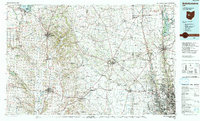 1992 Bellefontaine1992 Print · USGSWest-central Ohio in the early nineties reveals a blend of high-plateau geography and growing suburban corridors near the state capital. Genealogists can trace family connections to landmarks like Mount Tabor Church, Oak Grove Cemetery, and the high ground of Campbell Hill.
 - 2010 Map of Northville, 2010 Print
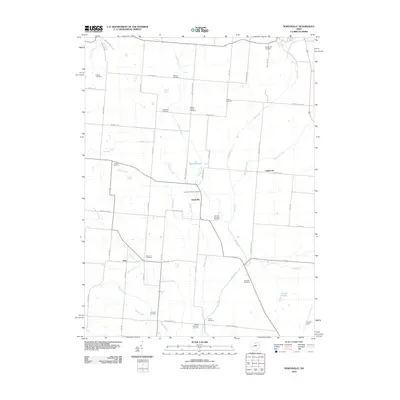 2010 Northville2010 Print · USGSChampaign County at the start of the 21st century reveals a landscape deeply rooted in its agricultural and family history. Genealogists can trace hundreds of years of local ancestry through a dozen named burial grounds, from Muddy Run Cemetery to the Kenton Memorial Cemetery and Snowhill Cemetery.
 - 2010 Map of Urbana West, 2010 Print
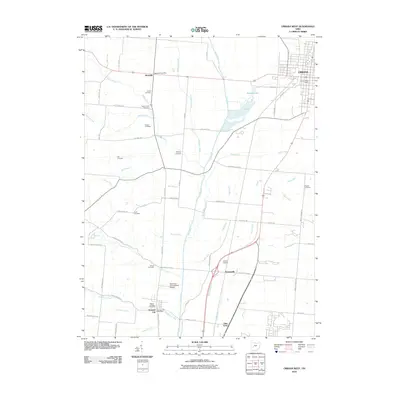 2010 Urbana West2010 Print · USGSThe Mad River valley south of Urbana is captured here in the early twenty-first century, showcasing a landscape of river-bottom farms and small rail-side hamlets. Researchers can locate many family burial sites including Snider and Cook Cemetery, alongside the Westville Post Office.
 - 2010 Map of Kingscreek, 2010 Print
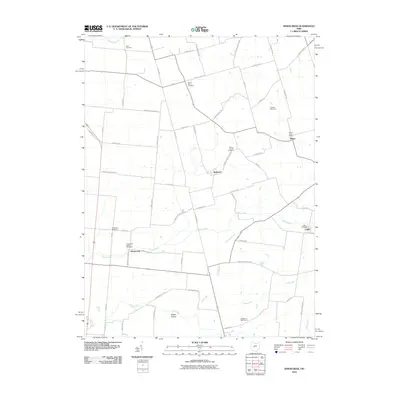 2010 Kingscreek2010 Print · USGSChampaign County at the start of the 21st century remains a landscape of established rural settlements and family-named landmarks. Researchers can trace local heritage through numerous burial sites like Piatt Cemetery and the hub of Mingo Post Office.
 - 2010 Map of Urbana East, 2010 Print
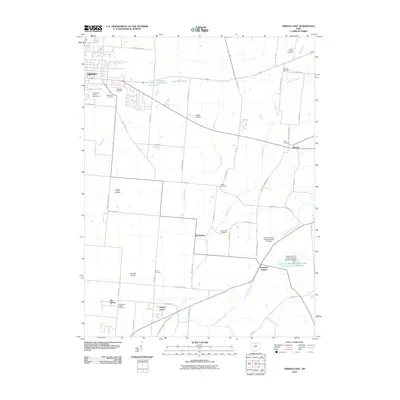 2010 Urbana East2010 Print · USGSUrbana and the surrounding Champaign County countryside are documented here during the early twenty-first century. Genealogists and local historians can trace family locations through numerous sites like Winn Cemetery, the Champaign County Fairgrounds, and the rural community of Mutual.
 - 2013 Map of Urbana West, 2013 Print
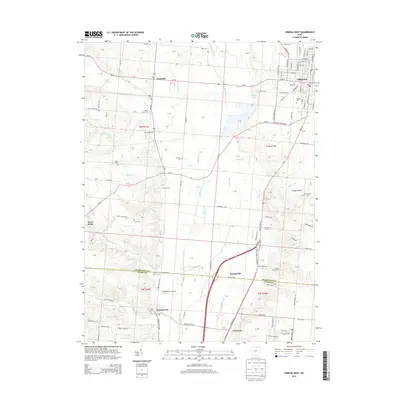 2013 Urbana West2013 Print · USGSUrbana and the Mad River valley in the early 2010s show a mix of university town life and rural cemetery history. Genealogists and local historians can trace family plots at Nettle Creek Cem and Rector Cem or explore the settlements of Westville and Tremont City.
 - 2013 Map of Urbana East, 2013 Print
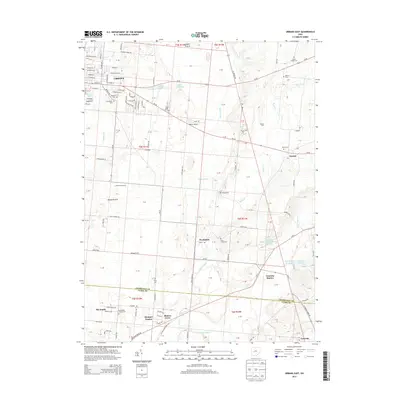 2013 Urbana East2013 Print · USGSChampaign County land use and urban expansion are visible in this early twenty-first-century survey of the Ohio landscape. Researchers can trace rural lineages through sites like Oakdale Cem, Catawba Station, and the historic Dugan Prairie.
 - 2013 Map of Kingscreek, 2013 Print
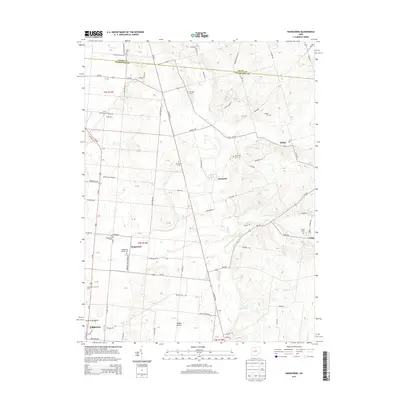 2013 Kingscreek2013 Print · USGSChampaign County at the start of the 2010s reveals a quiet agricultural landscape of small hamlets and family-named crossroads. Genealogists and local historians can trace legacy sites like Mt Tabor Cem, the settlement of Mingo, and the Dugan Prairie marshlands.
 - 2013 Map of Northville, 2013 Print
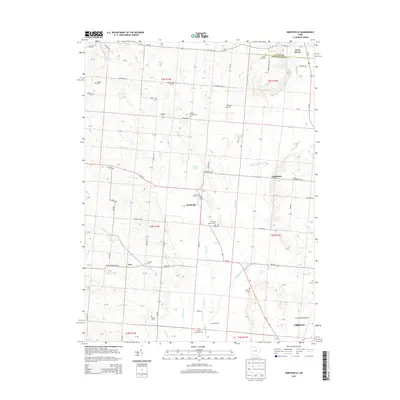 2013 Northville2013 Print · USGSThe rural landscape north of Urbana and West Liberty is captured here in the early twenty-first century. Genealogists can trace family history through numerous burial sites like Scott and Pullins Cem, Snowhill Cem, and Concord Cem.
 - 2016 Map of Urbana East, 2016 Print
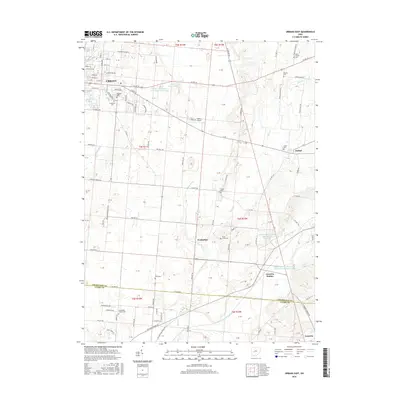 2016 Urbana East2016 Print · USGSChampaign County at the start of the 2010s shows a landscape of established family farms surrounding the eastern expansion of Urbana. Researchers can trace rural lineages through numerous local burial grounds such as Oakdale Cem, Sharon Cem, and Moorefield Chapel Cem.
 - 2016 Map of Urbana West, 2016 Print
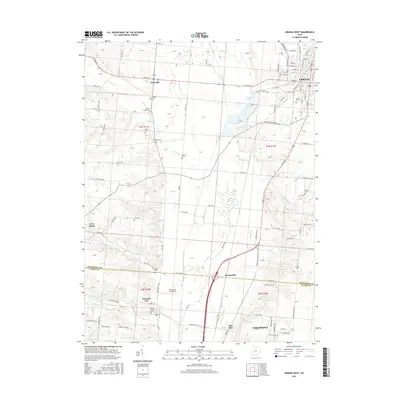 2016 Urbana West2016 Print · USGSThe Mad River valley south of Urbana is shown here in the mid-2010s, capturing the area's mix of higher education and rural crossroads. Genealogists and historians can locate numerous family burial grounds like Owens Cem and Shockey Cem or trace the old paths of Old Troy Pike.
Showing maps 1-25 of 35
Top cities near Urbana
- Springfield historical maps
- Bellefontaine historical maps
- Mad River historical maps
- Harmony historical maps
- Saint Paris historical maps
- West Liberty historical maps
See more
Top neighborhoods of Urbana
- Scioto Street Historic District historical maps
- Urbana Monument Square Historic District historical maps
Frequently asked questions
- What are the different types of historical maps available for Urbana?
- What is the oldest map of Urbana?
- Where can I purchase historical maps of Urbana for my home or office?
- Where can I download high-res historical maps of Urbana?
- Are there historical topographic maps available for Urbana?
- Is there historical aerial imagery available for Urbana?
- Where are historical maps of Urbana sourced from?