2000s (21st Century) Maps of Kay County, Oklahoma
Explore 110 historic maps of Kay County from the 2000s (21st Century). These maps offer a rare glimpse into what life looked like during the 2000s — showing old roads, neighborhoods, homes, and landmarks that have changed or disappeared over time.
Whether you're researching your family's past, planning a metal detecting trip, or studying how Kay County's landscape evolved across the 2000s, these high-resolution maps are a powerful tool for exploring the history of this region.
- Focus on a specific era: All maps on this page are from the 2000s, giving you a focused view of this time period.
- See what’s changed: Compare century-old streets, trails, and buildings to today's modern landscape using overlays and satellite layers.
- Research with precision: Use these maps for genealogy, historical research, land use analysis, or educational projects.
- View, download, or print: Maps are fully viewable online in high resolution, and can be downloaded or printed for your own records.
Start exploring Kay County's history through authentic maps from the 2000s. This is your window into the past.
Kay County, OK maps
(110)- 2009 Map of Newkirk SW, 2009 Print
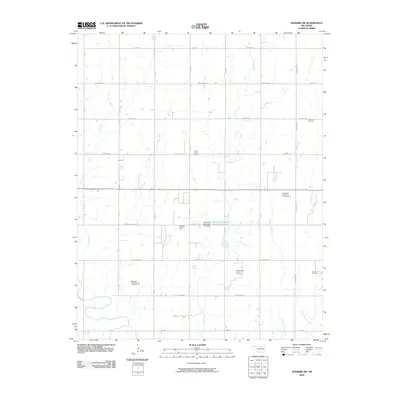 2009 Newkirk SW2009 Print · USGSKay County at the close of the first decade of the 2000s shows a landscape deeply integrated with the energy industry. Researchers can trace the extents of the Blackwell Southeast Oil and Gas Field and locate heritage sites like Banner Cemetery.
 - 2009 Map of Tonkawa, 2009 Print
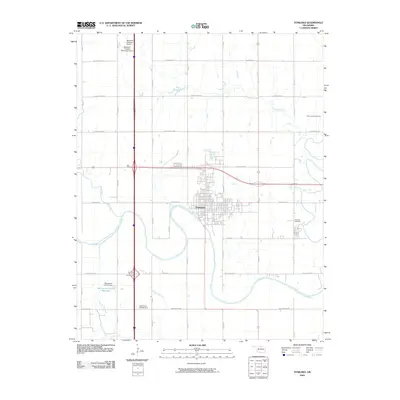 2009 Tonkawa2009 Print · USGSTonkawa and the northern Oklahoma prairie are captured here in the early twenty-first century as the landscape balances river-bottom agriculture and energy production. Researchers can trace the local infrastructure from Tonkawa Cemetery to the West Autwine Oil Field.
 - 2009 Map of Kaw City, 2009 Print
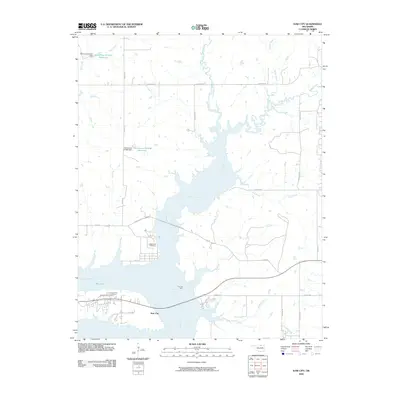 2009 Kaw City2009 Print · USGSKaw City and the surrounding Kay County landscape appear here in the early twenty-first century as a nexus of water and energy. Researchers can pinpoint the Kaw Oil Field or trace family sites at Washunga Cemetery and Grandview Cemetery near the shores of Kaw Lake.
 - 2009 Map of Marland, 2009 Print
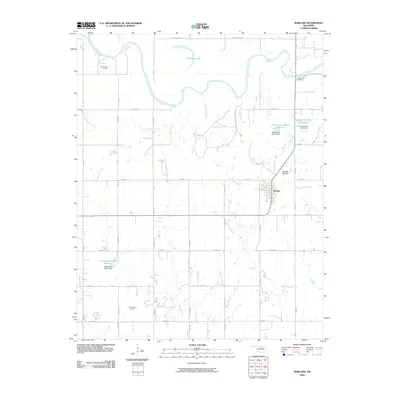 2009 Marland2009 Print · USGSNorth central Oklahoma at the dawn of the millennium shows a landscape defined by the Salt Fork Arkansas River and active energy production. Genealogists and historians can locate Cowboy Hill Cemetery or trace the extensive Three Sands Oil Field and the rural center of Marland.
 - 2009 Map of Eddy, 2009 Print
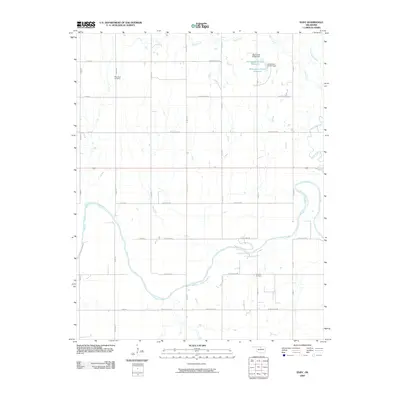 2009 Eddy2009 Print · USGSKay County at the start of the twenty-first century remains a landscape of river bends and oil fields. Researchers can trace the meandering Salt Fork Arkansas River and locate local landmarks like New Hope Cemetery and the Thomas Oil Field.
 - 2009 Map of Tonkawa SE, 2009 Print
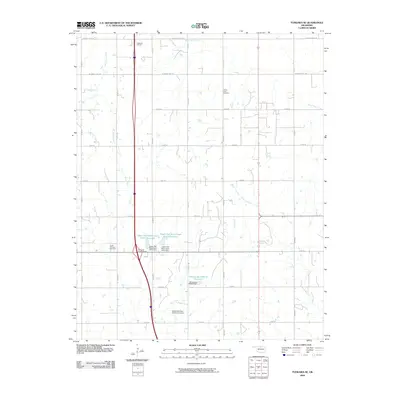 2009 Tonkawa SE2009 Print · USGSNoble County's energy and agricultural landscape is captured here during the first decade of the 21st century. Researchers can locate the Tonkawa Oil Field, trace the reach of Birds Nest Creek, and find the Prairie View Cemetery among a network of rural section roads.
 - 2009 Map of Billings, 2009 Print
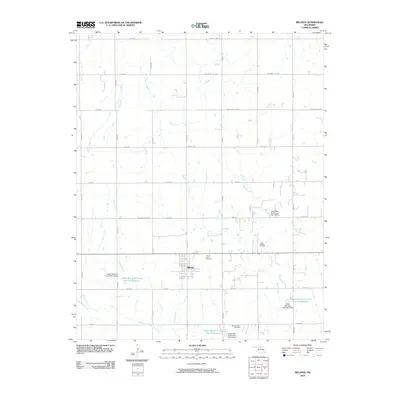 2009 Billings2009 Print · USGSBillings and the surrounding Noble County plains are captured here in the early twenty-first century. Genealogists and researchers can locate Sacred Heart Cemetery, trace the East Billings Oil Field, and follow the waters of Red Rock Creek through the rural section lines.
 - 2009 Map of Charley Creek East, 2009 Print
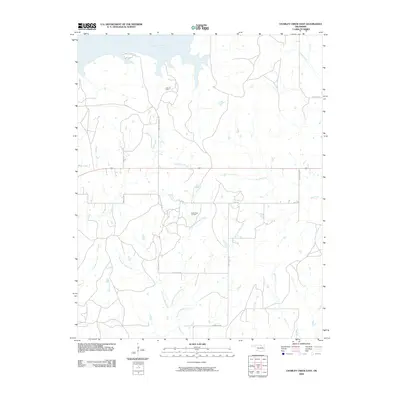 2009 Charley Creek East2009 Print · USGSOsage County's river valley and oil country are shown here in the early twenty-first century, just as the landscape is shaped by energy and water. Researchers can trace the legacy of the Kaw Oil Field and follow local routes like Burbank Landing Rd.
 - 2010 Map of Blackwell, 2010 Print
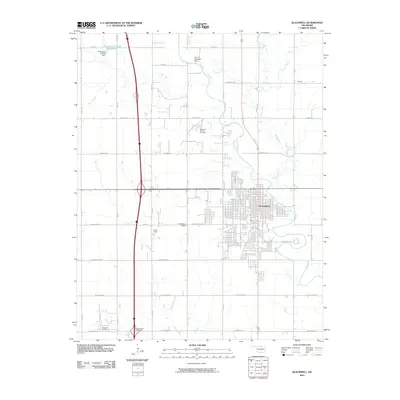 2010 Blackwell2010 Print · USGSBlackwell and its surrounding Kay County oil fields are documented here in the early twenty-first century. Researchers can trace local landmarks like the Earl Henry Airport, the rural reaches of Bitter Creek, and industrial footprints including the Blackwell Oil and Gas Field.
 - 2010 Map of Ponca City NW, 2010 Print
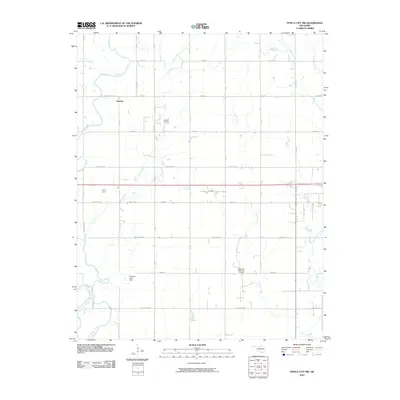 2010 Ponca City NW2010 Print · USGSThe rural landscape of Kay County is captured here in the early 21st century, defined by its petroleum history and river systems. Genealogists and local historians can locate the settlement of Autwine and trace the paths of the Chikaskia River and Autwine Oil Field.
 - 2010 Map of Ponca City, 2010 Print
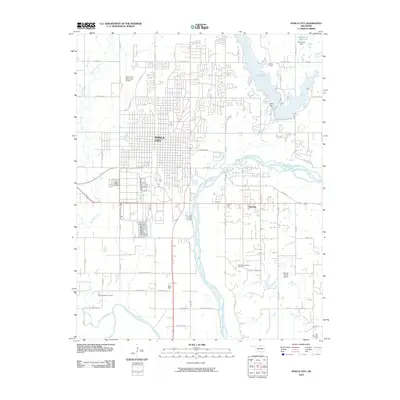 2010 Ponca City2010 Print · USGSPonca City and the Arkansas River valleys are documented here during the early 2000s. Genealogists and historians can locate the Ponca Indian Cemetery and White Eagle, alongside industrial sites like the Southwest McCord Oil Field and the waters of Lake Ponca.
 - 2010 Map of Kildare, 2010 Print
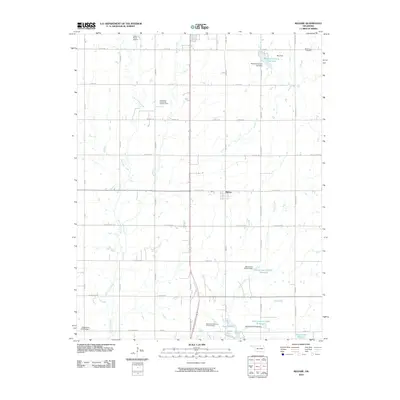 2010 Kildare2010 Print · USGSOklahoma's northern plains are captured here in the early twenty-first century, showing a mix of energy production and rural community life. Researchers can find deep local roots at Wolf Creek Cemetery or trace the extent of the Northwest Kildare Oil and Gas Field.
 - 2010 Map of Uncas, 2010 Print
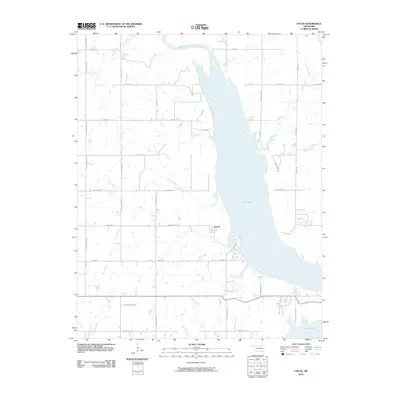 2010 Uncas2010 Print · USGSKaw Lake and the Arkansas River valley are captured in this early twenty-first-century survey of Kay County. Genealogists and local historians can trace the rural road network surrounding Uncas and locate waterfront features along Coon Creek and Bear Creek.
 - 2010 Map of Ponca City SE, 2010 Print
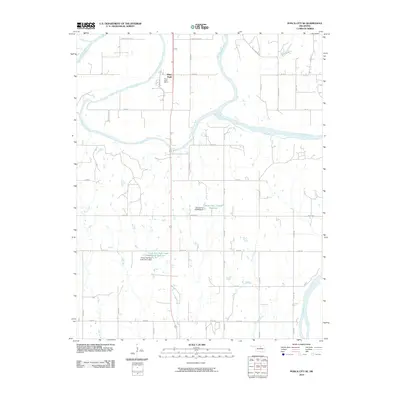 2010 Ponca City SE2010 Print · USGSThe confluence of the Salt Fork and Arkansas Rivers defines this Kay County landscape during the early twenty-first century. Genealogists and local historians can trace the roads around White Eagle and the Ponca Indian Agency, or locate landmarks like Cowboy Hill.
 - 2010 Map of Nardin, 2010 Print
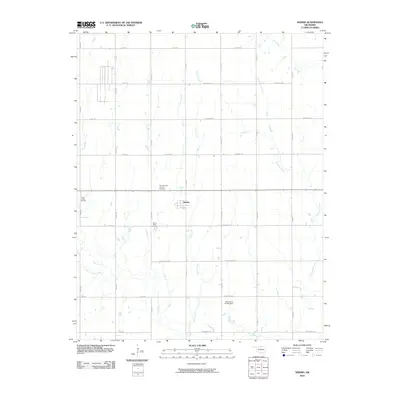 2010 Nardin2010 Print · USGSThe Kay County plains around the turn of the millennium are defined by a mix of agriculture and energy extraction. Researchers can locate Mount Olive Cemetery, the settlement of Nardin, and several regional petroleum zones like the Deer Creek Oil Field.
 - 2010 Map of Charley Creek West, 2010 Print
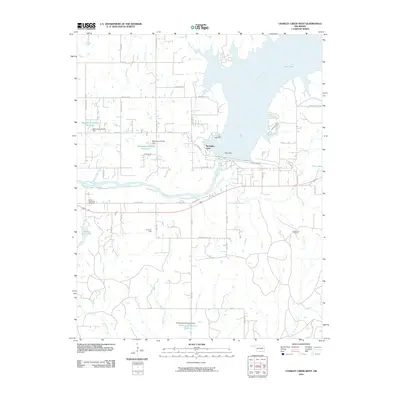 2010 Charley Creek West2010 Print · USGSNear Ponca City during the early twenty-first century, the landscape is defined by the massive Kaw Dam and the waters of the Arkansas River. Researchers can trace local landmarks like Sunset Memorial Gardens, Camp McFadden, and the production footprints of the Hardy Oil Field.
 - 2010 Map of Braman, 2010 Print
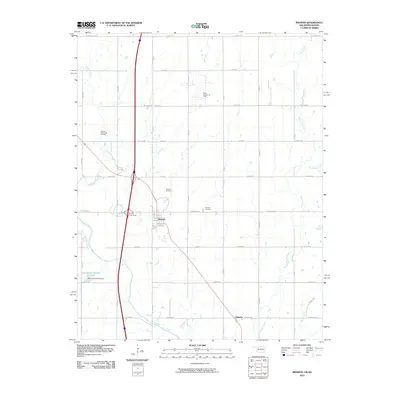 2010 Braman2010 Print · USGSKay County near the Kansas border is captured here during a period of sustained energy production and rural quiet. Local historians can trace the extent of the Braman Oil Field or locate family sites near Braman Cemetery and the small settlement of Sumpter.
 - 2010 Map of Newkirk, 2010 Print
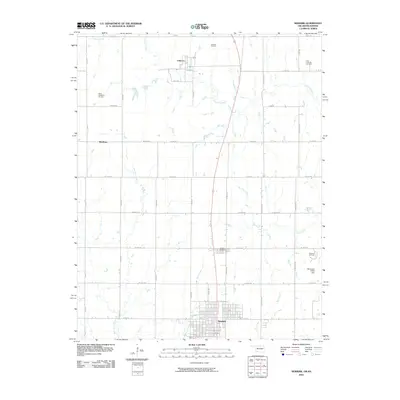 2010 Newkirk2010 Print · USGSKay County, Oklahoma, is shown in the early twenty-first century as a landscape defined by its grid roads and petroleum heritage. Researchers can trace the footprints of established settlements like Chilocco and Middleton or locate family sites near the Newkirk Cemetery.
 - 2010 Map of Hardy, 2010 Print
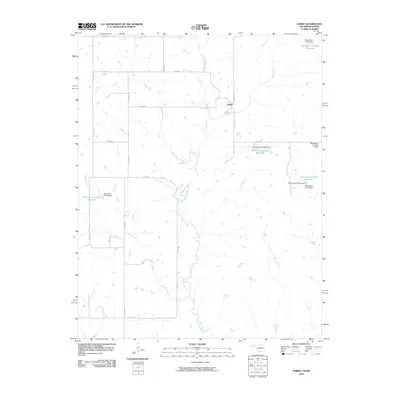 2010 Hardy2010 Print · USGSHardy and the surrounding Kay County borderlands appear in the early twenty-first century as a landscape of structured ranching and seasonal creeks. Researchers can trace the rural road grid and water management features like Little Beaver Creek, Hardy, and the Oknoname 071037 Reservoir.
 - 2010 Map of Blackwell NW, 2010 Print
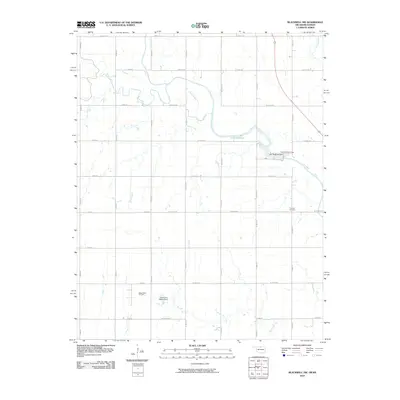 2010 Blackwell NW2010 Print · USGSThe Kansas-Oklahoma borderlands appear here in the early twenty-first century as a landscape of productive oil fields and managed waterways. Researchers can locate the Triumph Cemetery or trace the industrial footprint of the Webb North Oil Field and Lake Blackwell.
 - 2010 Map of Peckham, 2010 Print
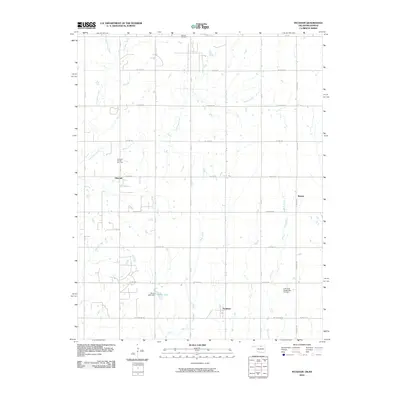 2010 Peckham2010 Print · USGSThe oil-rich plains of northern Oklahoma are captured here in the early twenty-first century, showcasing a landscape defined by energy extraction and agricultural grids. Trace the industrial footprint of the Dilworth Oil and Gas Field and locate rural landmarks like Wentz Lake and the settlement of Peckham.
 - 2010 Map of Kaw City NW, 2010 Print
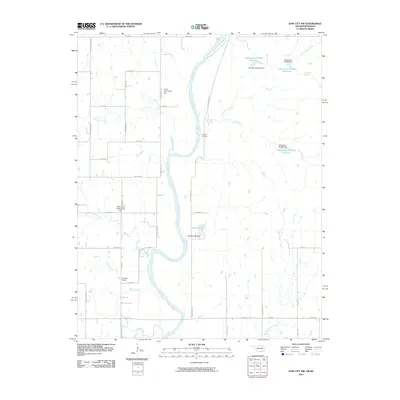 2010 Kaw City NW2010 Print · USGSNorth of Kaw City during the early twenty-first century, the Arkansas River basin shows a landscape of rural community halls and winding creeks. Researchers can locate Cooper Cemetery and trace the paths of Chilocco Creek and Sandy Creek as they meet the river.
 - 2012 Map of Blackwell NW, 2012 Print
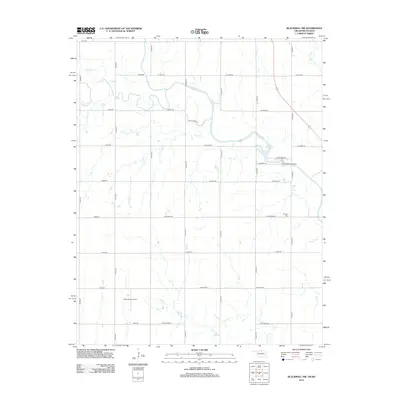 2012 Blackwell NW2012 Print · USGSThe Kansas-Oklahoma state line area is captured here during the early twenty-first century, showing a rural landscape shaped by agriculture and energy. Genealogists and historians can locate the Triumph Cem, trace the waters of Bluff Cr, or examine the footprints of the Webb North Oil Field.
 - 2012 Map of Nardin, 2012 Print
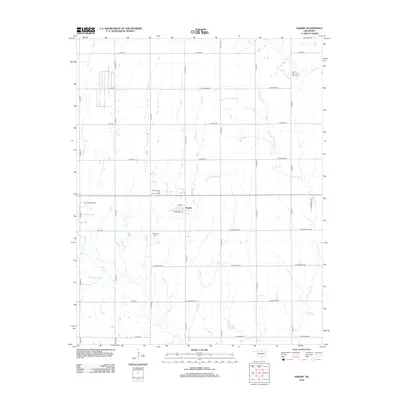 2012 Nardin2012 Print · USGSKay County, Oklahoma, is shown in the early twenty-first century as a landscape of energy extraction and structured prairie farming. Researchers can locate the Mt Olive Cem and trace the footprints of the North Nardin Oil and Gas Field and Deer Creek Oil Field.
 - 2012 Map of Tonkawa, 2012 Print
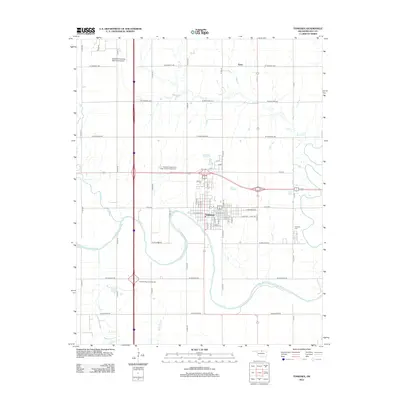 2012 Tonkawa2012 Print · USGSIn the early twenty-first century, the riverfront town of Tonkawa serves as a vital Oklahoma crossroads near the Kansas border. Genealogists and historians can trace local families at the Tonkawa Cem or examine the campus layout of Northern Oklahoma Coll.
Showing maps 1-25 of 110
Top cities of Kay County
- Ponca City historical maps
- Blackwell historical maps
- Tonkawa historical maps
- Newkirk historical maps
- Kaw City historical maps
- Braman historical maps
See more
Frequently asked questions
- What are the different types of historical maps available for Kay County?
- What is the oldest map of Kay County?
- Where can I purchase historical maps of Kay County for my home or office?
- Where can I download high-res historical maps of Kay County?
- Are there historical topographic maps available for Kay County?
- Is there historical aerial imagery available for Kay County?
- Where are historical maps of Kay County sourced from?