Old Maps of Williamston, South Carolina for Metal Detecting
Plan your next treasure hunt with 32 historic maps of Williamston. Find old homesites, ghost towns, trails, and gathering spots that may be lost to time — perfect for identifying promising metal detecting locations.
- Locate forgotten sites: Uncover places like long-lost settlements, abandoned rail lines, or gathering spots.
- Plan better hunts: Use map overlays combined with LiDAR or satellite views to narrow in on historically rich areas.
- Made for detectorists: Thousands of hobbyists use these maps to discover relics, coins, and hidden history.
Use these historic maps to boost your research and find new opportunities beneath the surface of Williamston.
Williamston, SC maps
(32)- 1888 Map of Pickens
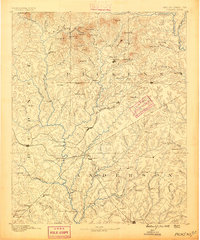 1888 Pickens1888 Print · USGSThe South Carolina Piedmont comes alive in the late nineteenth century, showing the rural communities of Pickens and Anderson. Genealogists can trace family landmarks like Sutton's Mill, Six Mile Church, and river crossings at Cherry's Ferry.
 - 1894 Map of Pickens
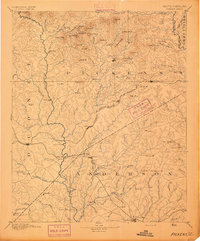 1894 Pickens1894 Print · USGSNorthwest South Carolina in the late nineteenth century was a landscape of river-driven industry and emerging rail lines. Researchers can trace ancestral roots through family landmarks like Watson Mill, the community at Old Pickens, and the rural New Hope Church.6 unique versions available
 - 1954 Map of Greenville, 1965 Print
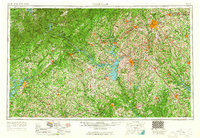 1954 Greenville1965 Print · USGSThe Upstate and Northeast Georgia are captured here during a decade of massive transformation as new reservoirs reshaped the Piedmont. Genealogists and hikers can trace the Appalachian Trail over Brasstown Bald or locate old community centers like Demorest, Westminster, and Royston.3 unique versions available
 - 1957 Map of Anderson, 1958 Print
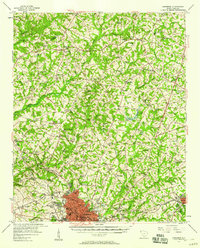 1957 Anderson1958 Print · USGSUpstate South Carolina during the late fifties centers on the growth of Anderson and its surrounding textile and agricultural communities. Genealogists and local historians can trace family roots through numerous rural landmarks like McElmoyle Sch, Willis Chapel, and Sandy Springs.2 unique versions available
 - 1957 Map of Williamston, 1958 Print
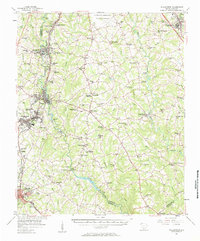 1957 Williamston1958 Print · USGSMid-century South Carolina comes into focus as textile towns and military installations expand across the Piedmont landscape. Genealogists can trace family roots through dozens of rural landmarks like McKelvey Crossroads, Standing Springs Ch, and Traynham Cem.2 unique versions available
 - 1958 Map of Greenville
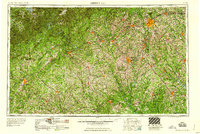 1958 Greenville1958 Print · USGSThe Piedmont and Blue Ridge foothills come alive in this mid-century survey of the Upstate and Northeast Georgia. Trace the regional rail-and-river economy through the Southern Railway corridors and early reservoir developments like Lake Sidney Lanier.
 - 1983 Map of Piercetown
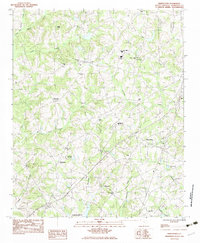 1983 Piercetown1983 Print · USGSAnderson County's rural crossroads and family homesteads are captured here in the early eighties. Genealogists and local historians can trace the foundations of the community at Pickens Chapel Ch, Piercetown, and the Anderson Speedway.2 unique versions available
 - 1983 Map of Belton East
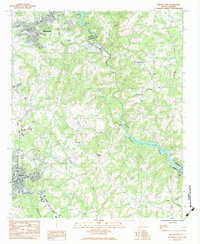 1983 Belton East1983 Print · USGSUpstate South Carolina in the early eighties reveals a landscape of river-powered industry and deep-rooted rural communities. Researchers can trace family landmarks and transport hubs like the Pelzer Mills Dam, Cheddar, and Cedar Grove Sch.
 - 1983 Map of Belton West
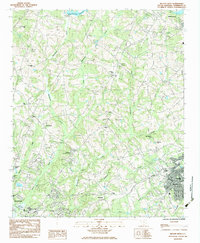 1983 Belton West1983 Print · USGSThe rail junctions and river valleys of Anderson County are captured here in the early 1980s as the suburbs of ANDERSON expanded toward Belton. Researchers can locate family landmarks like Forest Lawn Memorial Cemetery, the Drive-In Theatre, and numerous rural houses of worship including Hopewell Ch.2 unique versions available
 - 1983 Map of Pelzer
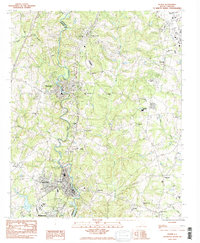 1983 Pelzer1983 Print · USGSThe Saluda River corridor in the early 1980s reveals the industrial and community ties between Anderson and Greenville counties. Local historians can trace numerous rural landmarks, including Bessie Pond Ch, the Seaboard Southern rail lines, and the growth of West Pelzer.2 unique versions available
 - 1984 Map of Greenville
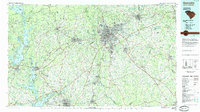 1984 Greenville1984 Print · USGSThe South Carolina Upstate undergoes rapid suburban growth in the mid-eighties as modern interstates begin to reshape the landscape. Researchers can trace historic rail lines like the Greenville and Northern Railway and locate local landmarks such as Clemson University and Paris Mountain State Park.
 - 1991 Map of Greenville
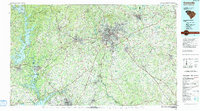 1991 Greenville1991 Print · USGSThe South Carolina Upstate was a landscape of rapid growth and engineering in the early nineties. Researchers can trace the expansion of Greenville and Spartanburg, find Clemson University, or study the massive reservoirs of Hartwell Lake and Lake Keowee.
 - 2011 Map of Piercetown, 2011 Print
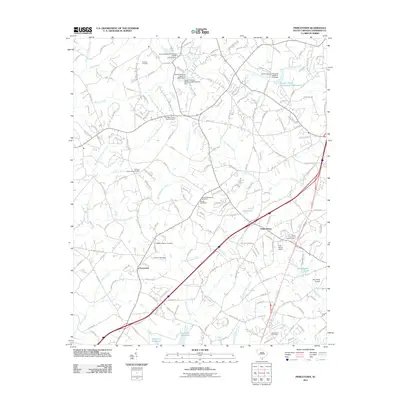 2011 Piercetown2011 Print · USGSAnderson County's rural communities and crossroad settlements are captured here in the early twenty-first century. Researchers can locate several burial grounds including Macedonia Cemetery and landmarks like the Anderson Speedway or Stringer Ridge Lookout Tower.
 - 2011 Map of Pelzer, 2011 Print
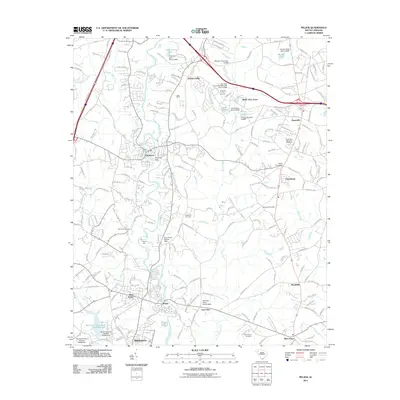 2011 Pelzer2011 Print · USGSThe Saluda River corridor in the early twenty-first century reveals a landscape shaped by both early industrial waterpower and modern suburban growth. Researchers can trace family roots through numerous sites like Waycross Cemetery or explore the historic textile hubs of Piedmont, West Pelzer, and Pelzer.
 - 2011 Map of Belton East, 2011 Print
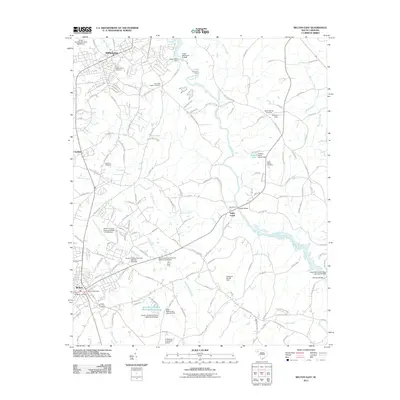 2011 Belton East2011 Print · USGSIn the early twenty-first century, this area of the South Carolina Piedmont shows a landscape defined by the Saluda River and its many tributaries. Researchers can locate family heritage sites like Beech Springs Cemetery or trace the agricultural footprint of Callaham Orchards and Moores Field.
 - 2011 Map of Belton West, 2011 Print
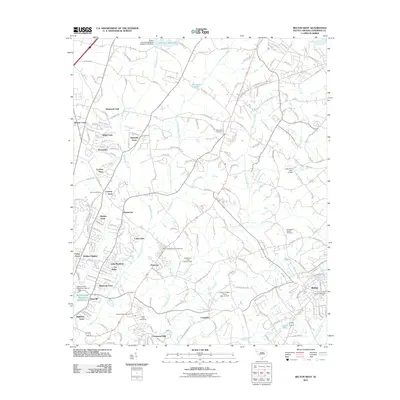 2011 Belton West2011 Print · USGSThe western outskirts of Belton are seen here in the early twenty-first century as suburban growth reaches toward the Rocky River. Genealogists and historians can locate several historic burial sites, including Whitefield Cemetery and Eureka Baptist Cemetery, alongside the East Park Speedway.
 - 2014 Map of Pelzer, 2014 Print
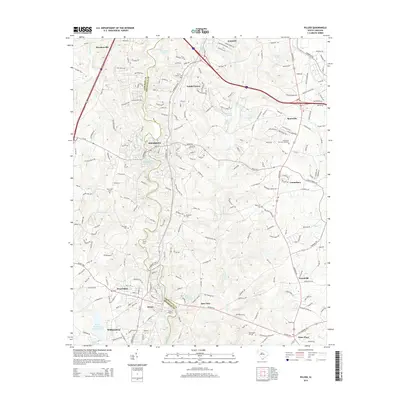 2014 Pelzer2014 Print · USGSUpper South Carolina in the early twenty-first century reveals a landscape defined by the Saluda River as it flows through textile and river towns. Genealogists and local historians can trace family locations near Rehoboth Cem, Martin Ford, and the residential blocks of Piedmont and Pelzer.
 - 2014 Map of Piercetown, 2014 Print
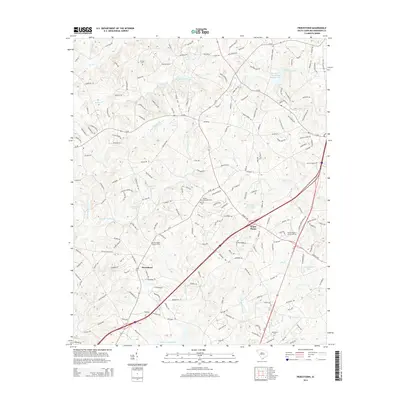 2014 Piercetown2014 Print · USGSAnderson County at the beginning of the twenty-first century reveals a landscape of small communities and established family burial sites. Genealogists and local historians can trace the areas around Piercetown, the Beulah Cem, and Friendship Baptist Cem.
 - 2014 Map of Belton East, 2014 Print
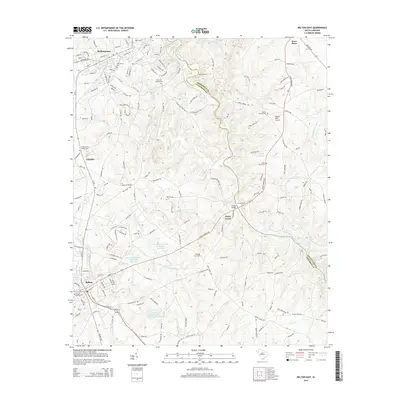 2014 Belton East2014 Print · USGSThe borderlands of Anderson and Greenville counties are captured here in the early 21st century, centered on the Saluda River valley. Local historians can trace old river crossings like Hollands Ford and find family names at Cedar Shoals Cem or Beech Springs Cem.
 - 2014 Map of Belton West, 2014 Print
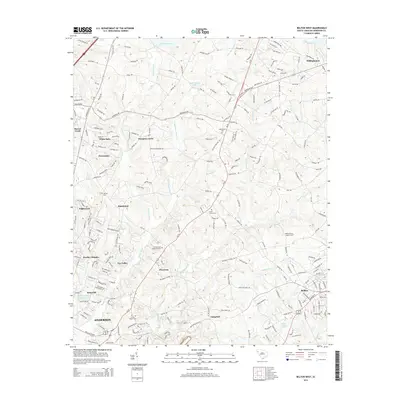 2014 Belton West2014 Print · USGSAnderson County's transition from rural farmland to suburban communities is captured here in the decade before the mid-2010s. Researchers can trace family sites and local history at the Union Grove Cem, Whitefield Church, or along the banks of the Rocky River.
 - 2017 Map of Belton West, 2017 Print
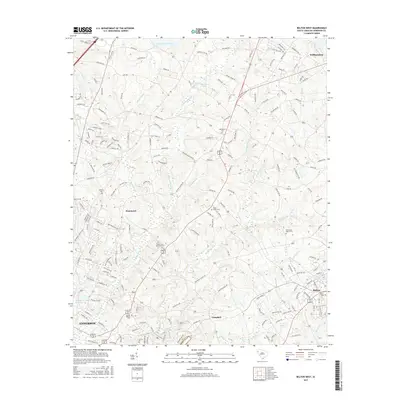 2017 Belton West2017 Print · USGSThe Piedmont landscape between ANDERSON and Belton is captured here during a period of steady growth and community preservation. Genealogists and local historians can trace family locations through numerous sites like Whitefield Cem, Morrisons Lake, and Hammond.
 - 2017 Map of Piercetown, 2017 Print
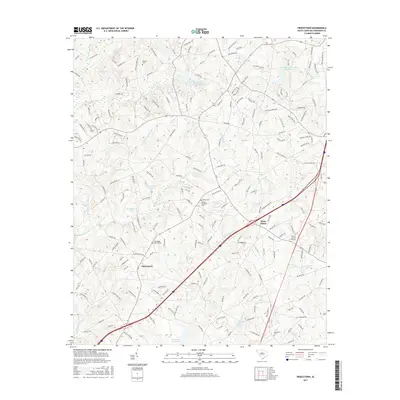 2017 Piercetown2017 Print · USGSAnderson County's rural crossroads and family homesteads are preserved in this recent survey of the Upstate. Researchers can locate several community burial grounds, including Beulah Methodist Cem and Friendship Baptist Cem, alongside landmarks like Piercetown and White Plains.
 - 2017 Map of Pelzer, 2017 Print
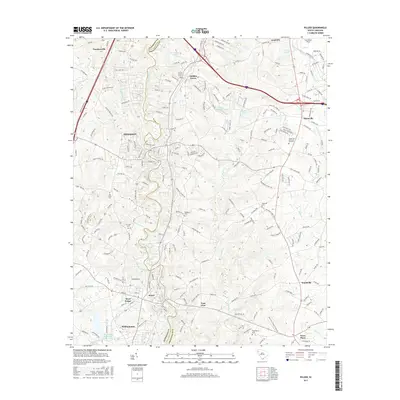 2017 Pelzer2017 Print · USGSThe Saluda River corridor in the late 2010s reveals a landscape of industrial heritage and modern growth along the Anderson and Greenville county line. Genealogists and local historians can locate several family burial grounds and community pillars like Harrison Cem, Rehoboth School, and Piedmont.
 - 2017 Map of Belton East, 2017 Print
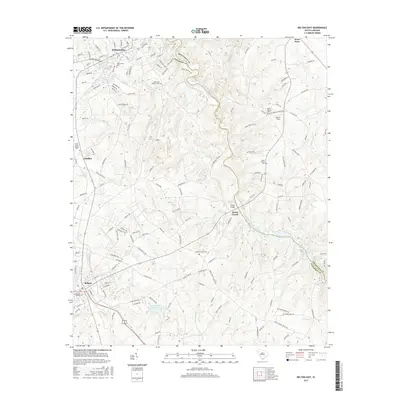 2017 Belton East2017 Print · USGSAnderson and Greenville Counties are captured here during a period of modern growth that maintains its rural character. Genealogists can trace family lines through several local sites like Shadow Grove Cem, Williamston Cem, and the community at Toney Creek.
 - 2020 Map of Belton East, 2020 Print
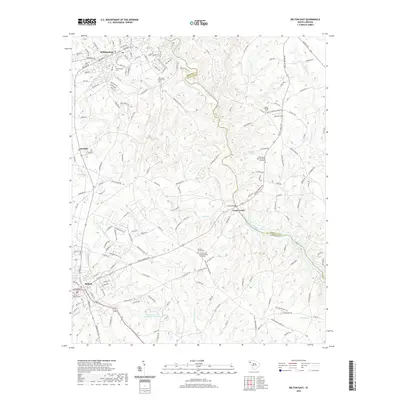 2020 Belton East2020 Print · USGSAnderson and Greenville counties meet along the winding Saluda River in this modern survey of the South Carolina Piedmont. Genealogists and local historians can trace family plots at Big Creek Baptist Cem, Shadow Grove Cem, and Beech Springs Cem.
Showing maps 1-25 of 32
Top cities near Williamston
- Greenville historical maps
- Anderson historical maps
- Mauldin historical maps
- Easley historical maps
- Simpsonville historical maps
- Piedmont historical maps
See more
Frequently asked questions
- What are the different types of historical maps available for Williamston?
- What is the oldest map of Williamston?
- Where can I purchase historical maps of Williamston for my home or office?
- Where can I download high-res historical maps of Williamston?
- Are there historical topographic maps available for Williamston?
- Is there historical aerial imagery available for Williamston?
- Where are historical maps of Williamston sourced from?