Old Maps of Sealy, Texas
Explore 29 old maps of Sealy, spanning from 1953 to today. These high-resolution historic maps reveal how streets, neighborhoods, landmarks, and natural features evolved over time — perfect for genealogy, metal detecting, research, and local history exploration.
What you can do with these maps:
- See how Sealy changed over time: Compare historical maps to modern-day views to trace roads, homesites, rail lines & more.
- View detailed metadata: Each map includes creators, publishers, year, scale, and archive source.
- Overlay maps with satellite & LiDAR: Visualize the past alongside modern tools to explore terrain & human change.
- Trusted historical sources: Maps sourced from the USGS, Library of Congress, and other archives.
- Access maps your way: View online, download high-res files, or order prints for personal or research use.
Start exploring old maps of Sealy to uncover forgotten places, hidden landmarks, and the deep history beneath your feet.
Sealy, TX maps
(29)- 1953 Map of Seguin, 1965 Print
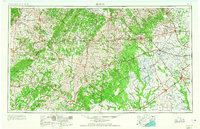 1953 Seguin1965 Print · USGSSouth Texas in the early fifties shows a thriving river-and-rail economy across the Guadalupe and Colorado basins. Genealogists and historians can trace rail routes like the Southern Pacific through Seguin, locate oil wells, or find the Gary AAF near San Marcos.4 unique versions available
 - 1956 Map of Sealy
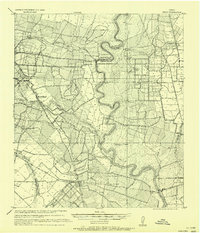 1956 Sealy1956 Print · USGSThe Brazos River valley between Austin and Waller counties is shown here as it transitioned through the early twentieth century. Researchers can locate early post offices at Burleigh PO and Browntown, trace ferry crossings, or find the Cotton Gin and Wesley Chapel.
 - 1956 Map of Wallis
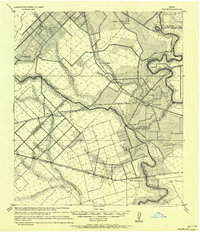 1956 Wallis1956 Print · USGSThe Brazos and San Bernard rivers dominate this coastal prairie landscape during the early twentieth century. Trace family roots and vanished rail stops through Wallis, Chesterville, and Lissie along the Gulf Colorado and Santa Fe Railway.
 - 1958 Map of Seguin
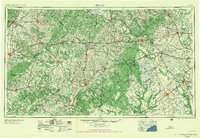 1958 Seguin1958 Print · USGSSouth Texas in the late fifties was a network of river-valley settlements and active oilfields tied together by major rail lines. Genealogists and historians can trace family-named sites across Rabb Prairie, locate the Behring Store, or follow the Southern Pacific through Schulenburg.
 - 1960 Map of Wallis, 1961 Print
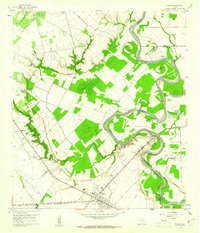 1960 Wallis1961 Print · USGSThe Brazos River bottomlands in the early sixties reveal a landscape shaped by rail junctions and small farming communities. Genealogists can trace family roots through sites like Hartville Cem, Mount Olive Ch, and the intersection of two major railroads in Wallis.3 unique versions available
 - 1960 Map of San Felipe, 1961 Print
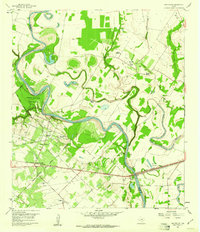 1960 San Felipe1961 Print · USGSThe Brazos River valley in the early 1960s reveals a landscape of colonial heritage and oil-era industry. Genealogists can trace family names through numerous rural sites like Rosses Cem, Wesley Chapel, and the community of Frydek.5 unique versions available
 - 1960 Map of Rexville, 1961 Print
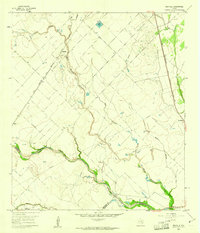 1960 Rexville1961 Print · USGSThe rural borderlands of Austin and Wharton Counties are captured here in the early sixties as the oil and gas industry matured. Trace old rail lines like the Gulf Colorado and Santa Fe through Rexville or locate the Chesterville Oil Field.2 unique versions available
 - 1960 Map of Sealy, 1961 Print
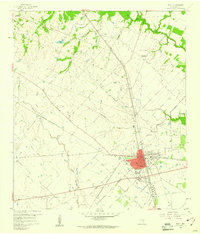 1960 Sealy1961 Print · USGSSealy served as a vital rail crossroads in the early sixties, where major lines met amidst the rolling ranch land and creek bottoms. Local researchers can locate Macedonia Cem, the Hospital, and the path of the Old Railroad Grade.3 unique versions available
 - 1985 Map of Eagle Lake
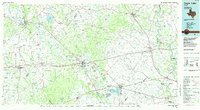 1985 Eagle Lake1985 Print · USGSSoutheast Texas in the mid-eighties shows a landscape defined by the Colorado River and a booming energy sector. Genealogists and historians can trace rail-tied towns like La Grange and Fayetteville or locate the Frelsburg Oil Field and Stephen F Austin State Park.2 unique versions available
 - 2010 Map of Sealy, 2010 Print
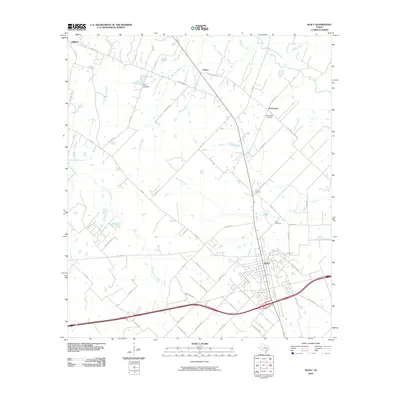 2010 Sealy2010 Print · USGSAustin County is captured here in the early twenty-first century, centered on the growing town of Sealy and its surrounding agricultural communities. Researchers can trace family history through local landmarks like Macedonia Cemetery or follow the waters of Little Bernard Creek and Bullinger Creek.
 - 2010 Map of San Felipe, 2010 Print
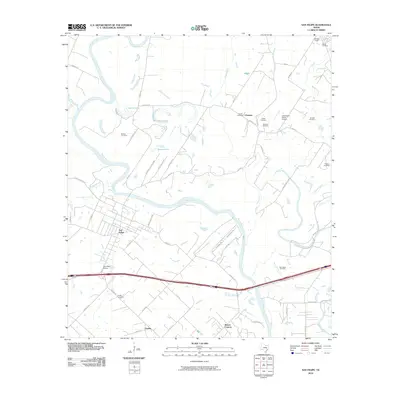 2010 San Felipe2010 Print · USGSTexas river life and rural industry meet along the Brazos in the early twenty-first century. Researchers can trace family history through numerous burial grounds like Rosses Cemetery or locate industrial sites such as the San Felipe Oil Field.
 - 2010 Map of Wallis, 2010 Print
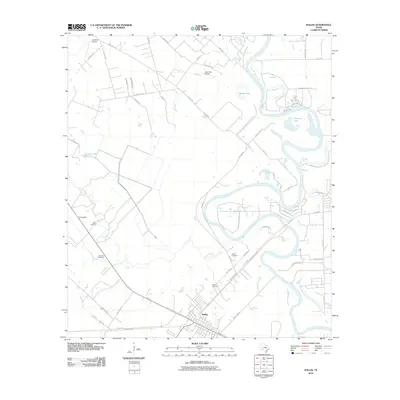 2010 Wallis2010 Print · USGSAustin County at the turn of the decade is defined by the winding Brazos River and the rural crossroads of Wallis. Researchers can locate several burial sites like Allens Cemetery and aviation landmarks such as Longbird Airport.
 - 2010 Map of Rexville, 2010 Print
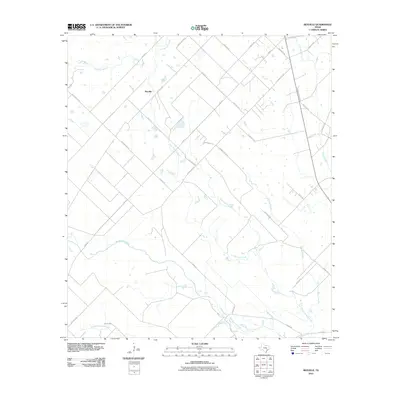 2010 Rexville2010 Print · USGSCoastal plain agriculture and a dense network of creeks characterize this Austin County landscape in the early 2000s. Genealogists can trace family-named routes like Klopsteck Rd and Beckendorff Rd near the settlement of Rexville.
 - 2013 Map of Wallis, 2013 Print
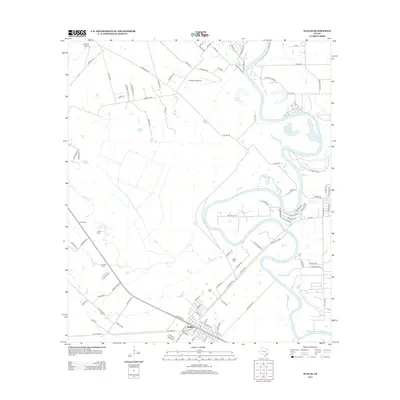 2013 Wallis2013 Print · USGSSurrounding the town of Wallis in the early twenty-first century, this Austin County landscape is defined by the winding Brazos River and rural aviation hubs. Researchers can trace family history at Hartville Cem and Wallis Cem or locate regional sites like El Pleasant and Gloster Aerodrome.
 - 2013 Map of Rexville, 2013 Print
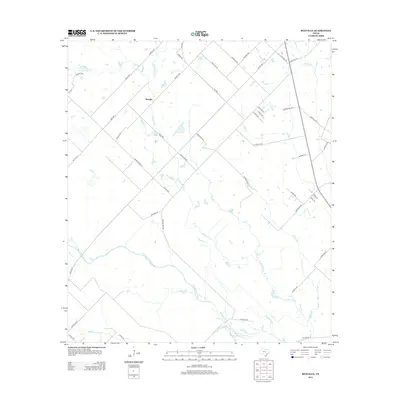 2013 Rexville2013 Print · USGSCoastal prairie and winding river bottoms define this Austin County landscape in the early 2010s. Genealogists and local historians can trace family land via roads like Beckendorff Rd and explore the waterways of Rexville, including the San Bernard River.
 - 2013 Map of Sealy, 2013 Print
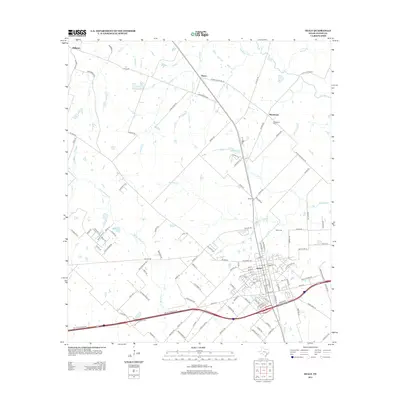 2013 Sealy2013 Print · USGSAustin County in the early 2010s shows a landscape of growing towns and deep-rooted rural outposts. Genealogists can trace family history through Sealy Cem, Macedonia Cem, and Glenn Cem while exploring the banks of Little Bernard Cr.
 - 2013 Map of San Felipe, 2013 Print
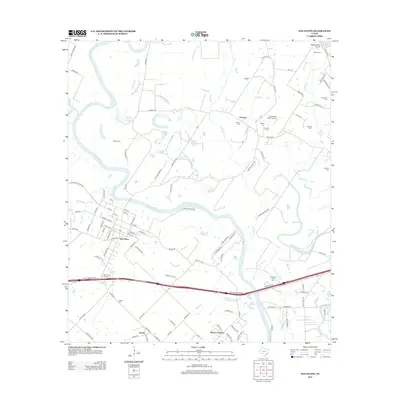 2013 San Felipe2013 Print · USGSSan Felipe and the surrounding Brazos River bottomlands are captured here in the early twenty-first century. Genealogists and local historians can trace family plots at Rosses Cem and Frydek Cem or locate industrial markers like the San Felipe Siding.
 - 2016 Map of San Felipe, 2016 Print
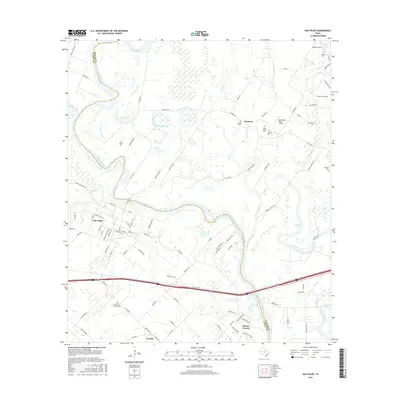 2016 San Felipe2016 Print · USGSIn this modern survey of the Texas Brazos valley, historic river settlements and numerous family cemeteries are documented in detail. Genealogists can trace family roots at the Edwin Waller Cem, Saint Mary's Catholic Cem, or within the streets of San Felipe.
 - 2016 Map of Sealy, 2016 Print
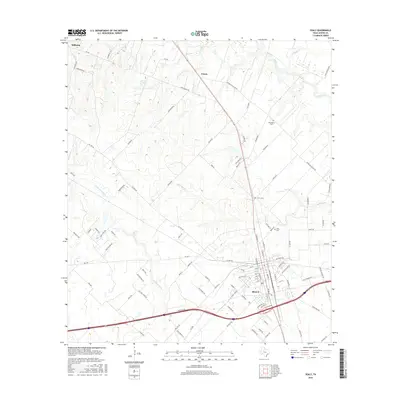 2016 Sealy2016 Print · USGSAustin County at the start of the 2010s shows a landscape of established rural communities and winding creek bottoms. Genealogists and local researchers can trace family landmarks and burial sites like Macedonia Cem, Sealy Cem, and the old settlement at Peters.
 - 2016 Map of Wallis, 2016 Print
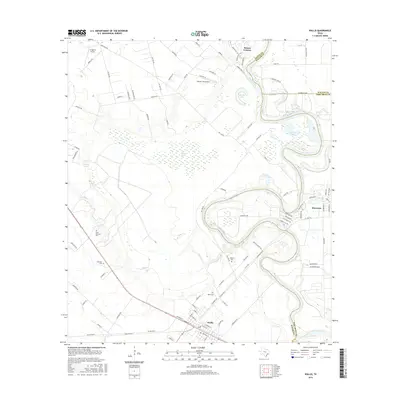 2016 Wallis2016 Print · USGSThe Brazos River lowlands at the Austin and Fort Bend county line are captured here in the mid-2010s. Researchers can trace family history at the Allen Johnston Cem or explore landmarks like Alligator Hole and Longbird Airport.
 - 2016 Map of Rexville, 2016 Print
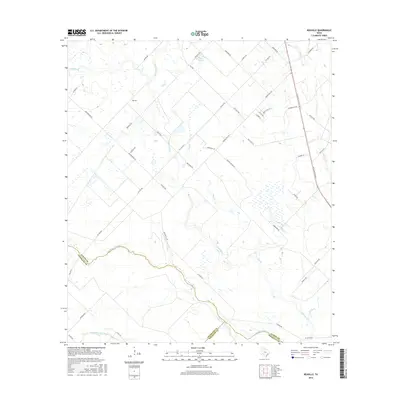 2016 Rexville2016 Print · USGSTexas ranching and river life define this mid-decade survey where three counties meet along the San Bernard River. Researchers can trace the rural layout of Rexville or locate family-named landmarks such as Lake Vinnau and the drainage of Allens Cr.
 - 2019 Map of Sealy, 2019 Print
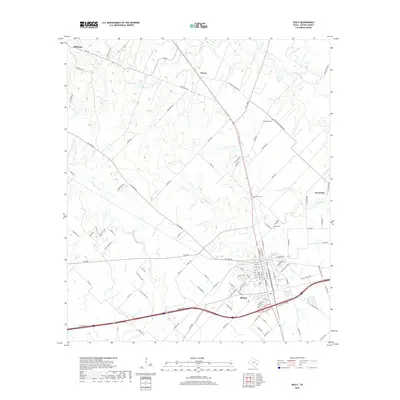 2019 Sealy2019 Print · USGSSealy and the surrounding Austin County countryside are captured here in the late 2010s as modern transit routes meet historic settlements. Genealogists and local historians can pinpoint Macedonia Cem, trace the waters of Bullinger Cr, and locate the quiet community of Peters.
 - 2019 Map of Rexville, 2019 Print
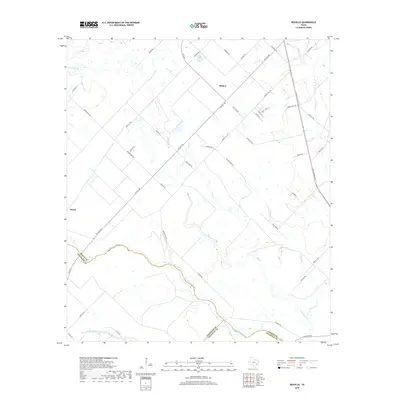 2019 Rexville2019 Print · USGSThe Texas prairie south of Sealy is captured here in the late 2010s, showing a landscape defined by the winding San Bernard River. Genealogists and locals can trace family-named routes and small settlements like Beard and Lake Virnau.
 - 2019 Map of Wallis, 2019 Print
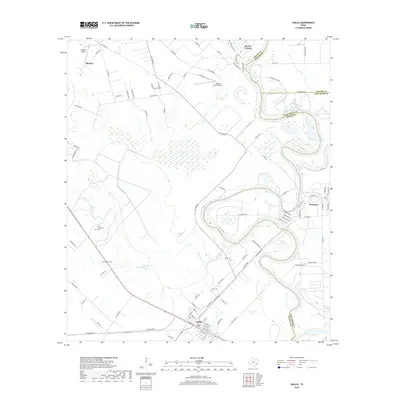 2019 Wallis2019 Print · USGSThe tri-county borderlands of Austin, Waller, and Fort Bend Counties come into focus in this late twenty-tens survey. Genealogists can locate family burial sites at Hartville Cem or Allen - Johnston Cem and trace the meandering course of the Brazos River.
 - 2019 Map of San Felipe, 2019 Print
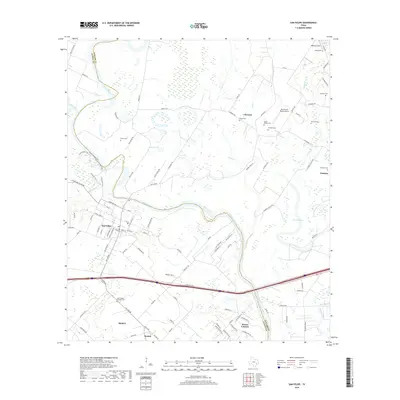 2019 San Felipe2019 Print · USGSThe Brazos River valley between Austin and Waller counties remains a rural landscape defined by family legacies and river bottomlands. Genealogists can trace local history through numerous burial sites like Edwin Waller Cem and the community of Frydek.
Showing maps 1-25 of 29
Top cities near Sealy
- Rosenberg historical maps
- Brookshire historical maps
- Bellville historical maps
- Eagle Lake historical maps
- East Bernard historical maps
- Wallis historical maps
See more
Frequently asked questions
- What are the different types of historical maps available for Sealy?
- What is the oldest map of Sealy?
- Where can I purchase historical maps of Sealy for my home or office?
- Where can I download high-res historical maps of Sealy?
- Are there historical topographic maps available for Sealy?
- Is there historical aerial imagery available for Sealy?
- Where are historical maps of Sealy sourced from?