Old Maps of Brown County, Texas for Academic Research
Study the evolution of Brown County with 187 high-resolution historic maps. Whether you're teaching, researching, or modeling changes in land use, these maps provide essential visual documentation of urban, environmental, and geographic change.
- Analyze long-term change: Track patterns in development, transportation, and natural features.
- Ideal for environmental or urban studies: Support academic projects with primary historical map data.
- Use in the classroom or lab: Educators and researchers rely on these maps to bring historical context to life.
These maps are a powerful tool for teaching, research, and visualizing how Brown County has changed over the decades.
Brown County, TX maps
(187)- 1885 Map of San Saba
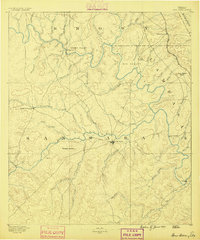 1885 San Saba1885 Print · USGSCentral Texas in the late nineteenth century comes alive through this survey of the river valleys and high knobs. Genealogists and researchers can trace the early foundations of San Saba and Goldthwaite, or find forgotten locations like Regency and Bendy.
 - 1887 Map of Coleman, 1889 Print
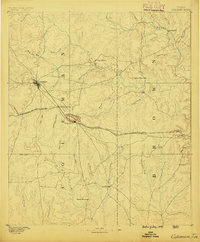 1887 Coleman1889 Print · USGSCentral Texas was undergoing a rapid transformation into a rail-connected ranching hub in the late 1880s. Local researchers can trace the early layout of Coleman and locate frontier landmarks like Camp Colorado, Byrds Store, and the Santa Anna Mountains.2 unique versions available
 - 1889 Map of Brownwood
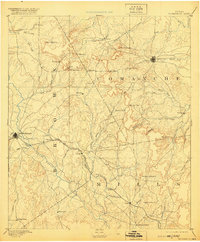 1889 Brownwood1889 Print · USGSCentral Texas ranching and rail expansion are captured here in the late nineteenth century. You can trace early family settlements and landmarks like Williams Ranch, Comanche, and the path of the Gulf Colorado and Santa Fe Railroad.
 - 1889 Map of Coleman, 1905 Print
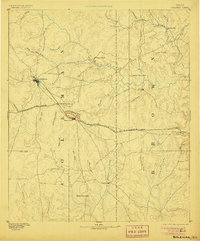 1889 Coleman1905 Print · USGSCentral Texas is captured in the late nineteenth century as the railroad began transforming the frontier into a network of cattle and farming towns. Genealogists can trace early homesteading hubs and remote outposts like Camp Colorado, Byrds Store, and Trickham.4 unique versions available
 - 1894 Map of Brady
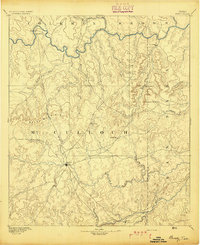 1894 Brady1894 Print · USGSCentral Texas ranching country comes to life in the late nineteenth century as regional hubs begin to take shape. Genealogists and researchers can trace early settlements and river crossings like Waldrip, Milburn, and the hilltop landmark of Lookout Mountain.5 unique versions available
 - 1894 Map of Eastland
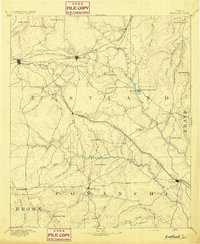 1894 Eastland1894 Print · USGSEastland County and its neighbors are captured here in the late nineteenth century during the expansion of the rail-and-ranching economy. Researchers can locate early town sites like Desdimonia and Merriman or trace the Texas Central Railroad through Carbon.6 unique versions available
 - 1894 Map of Brownwood
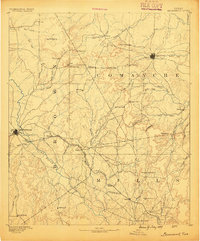 1894 Brownwood1894 Print · USGSCentral Texas was undergoing a rapid transformation in the late nineteenth century as rail lines began to reshape the cattle country. Researchers can trace the early footprints of Brownwood, locate the historic Williams Ranch, and follow the progress of the Gulf Colorado and Santa Fe Railroad.6 unique versions available
 - 1894 Map of San Saba
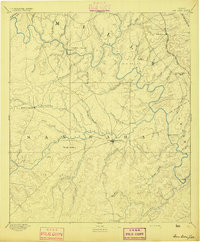 1894 San Saba1894 Print · USGSCentral Texas in the late nineteenth century is defined here by the meeting of the San Saba River and the Colorado River. Researchers can trace the path of the Gulf Colorado and Santa Fe Railroad near Goldthwaite or locate early settlements like Richland Springs and Red Bluff.4 unique versions available
 - 1924 Map of Coleman 1-a
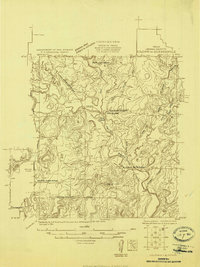 1924 Coleman 1-a1924 Print · USGSBrown County, Texas, was a landscape of oil exploration and rural schoolhouses in the mid-twenties. Genealogists and historians can trace family locations near Old Byrds, Grosvenor, or the Byrds Oil Field.
 - 1924 Map of Brownwood Reservoir Site
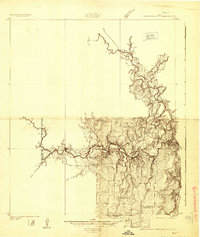 1924 Brownwood Reservoir Site1924 Print · USGSThe river valleys of Brown County are captured here in the mid-1920s during the planning of a major reservoir project. Researchers can trace the original landscape of Pecan Bayou and locate vanished landmarks like Rocky Church and Frys Ford before the waters rose.
 - 1925 Map of Brownwood 3-b
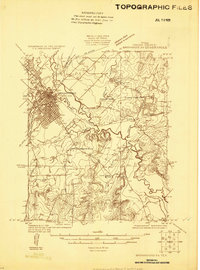 1925 Brownwood 3-b1925 Print · USGSBrownwood flourished as a Texas railroad junction in the mid-1920s, its growth shaped by two major rail lines and the winding Pecan Bayou. Genealogists and local historians can trace rural school districts like Woodland Heights School or find the Steppes Creek Church along the old Goldthwaite Road.
 - 1925 Map of Brady 1-b
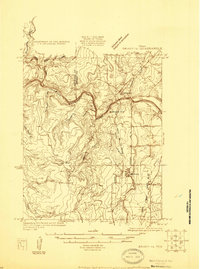 1925 Brady 1-b1925 Print · USGSThe Colorado River corridor near the border of McCulloch and Brown counties is captured here in the mid-1920s. Researchers can trace early infrastructure like the Rio Grande Highway and the railroad station at Mercury, or locate family-named landmarks like Morgen Mtn.
 - 1925 Map of Brady 1-a
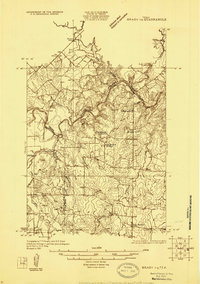 1925 Brady 1-a1925 Print · USGSCentral Texas river country and ranchland are captured in the mid-1920s as early highway networks began to reach remote crossings. Researchers can locate early rural landmarks like Elm Grove Church, Holt School, and the settlement of Milburn.
 - 1925 Map of Brownwood 3-d
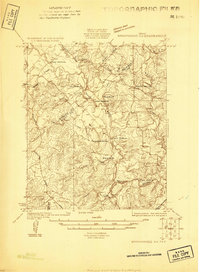 1925 Brownwood 3-d1925 Print · USGSCentral Texas ranching country along the border of Mills and Brown counties is shown here in the mid-1920s. Researchers can trace historic river fords and family landmarks like Adams Crossing, Slightdale School, and Shaws Ranch.
 - 1925 Map of San Saba 2-b
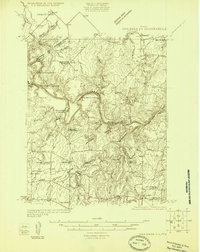 1925 San Saba 2-b1925 Print · USGSCentral Texas river life in the mid-twenties is centered here on the winding COLORADO RIVER. You can trace rural family roots at Bowser Cemetery and locate vanished schools like Indian Cr School and Oakland School.
 - 1927 Map of Grosvenor
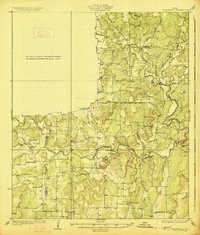 1927 Grosvenor1927 Print · USGSIn the mid-1920s, the rural landscapes of Brown and Coleman Counties were connected by winding wagon roads and creek fords. Genealogists can trace the early community hubs of Grosvenor and Thrifty alongside schools like Macedonia School and Buffalo School.2 unique versions available
 - 1928 Map of Mercury
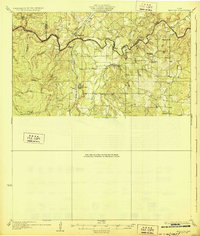 1928 Mercury1928 Print · USGSCentral Texas river country comes to life in the late 1920s as the railroad connects small cattle towns near the four-county junction. Trace family roots at Mercury and Winchell, or locate old landmarks like Elm Grove Church and Holt School.
 - 1928 Map of Zephyr
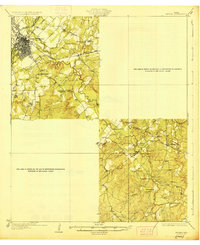 1928 Zephyr1928 Print · USGSCentral Texas ranching and rail activity are on full display in the mid-1920s as Brownwood expands toward the southeast. Trace ancestral connections at Steppes Creek Church or locate vanished local landmarks like Slighdale School and Adams Crossing.
 - 1930 Map of Richland Springs
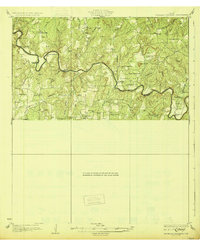 1930 Richland Springs1930 Print · USGSThe Colorado River divides Mills and San Saba counties in the late 1920s, a period defined by small-town farming and ranching. You can trace early family sites through several river crossings and community hubs like Hanna Valley Cem and the Jones Valley Sch.
 - 1931 Map of Mullin
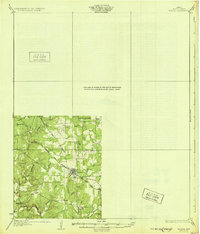 1931 Mullin1931 Print · USGSMills County, Texas, was a landscape of rail-driven trade and rural ranching in the mid-1920s. Genealogists and historians can trace family locations near the Gulf Colorado and Santa Fe railroad, Duren Sch, and the old Williams Ranch.
 - 1931 Map of Baird
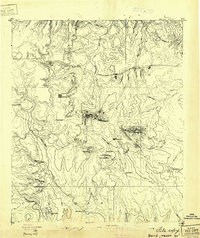 1931 Baird1931 Print · USGSCallahan County ranching and rail life are documented here in the early twentieth century. Genealogists and local historians can trace the foundations of Baird, the Rough Creek P.O., and distinctive landmarks like Caddo Peak and Round Mt.
 - 1932 Map of Baird
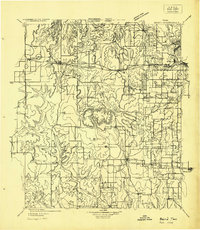 1932 Baird1932 Print · USGSCallahan and Eastland counties appear in the early 1930s, showing the region's transition into the oil and highway era. Genealogists can locate family homes near Belle Plain, Oak Ridge School, and along the Missouri Kansas & Texas railroad.
 - 1948 Map of Richland Springs, 1966 Print
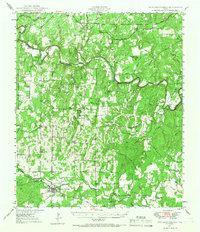 1948 Richland Springs1966 Print · USGSThe northern San Saba County landscape in the late 1940s is defined by its deep river valleys and the presence of the Camp Bowie Military Reservation. Genealogists and historians can trace rural school districts and small settlements like Locker, Skeeterville, and Varga Chapel Church.
 - 1950 Map of Zephyr
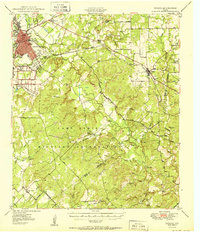 1950 Zephyr1950 Print · USGSBrownwood and the surrounding central Texas countryside are shown at a pivotal mid-century moment as the military and rail industries shaped the local economy. Researchers can locate the sprawling Camp Bowie Military Reservation, find local burial sites like Indian Creek Cemetery, and trace the path of the Santa Fe railroad.2 unique versions available
 - 1950 Map of Mercury
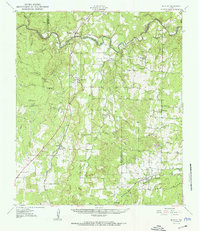 1950 Mercury1950 Print · USGSMcCulloch County and its neighbors are shown in the mid-twentieth century as the rural landscape transitioned from pioneer roots to modern ranching. Researchers can trace family history through community sites like Cowboy Cemetery, Elm Grove School, and the village of Mercury.2 unique versions available
Showing maps 1-25 of 187
Top cities of Brown County
Frequently asked questions
- What are the different types of historical maps available for Brown County?
- What is the oldest map of Brown County?
- Where can I purchase historical maps of Brown County for my home or office?
- Where can I download high-res historical maps of Brown County?
- Are there historical topographic maps available for Brown County?
- Is there historical aerial imagery available for Brown County?
- Where are historical maps of Brown County sourced from?