1900s (20th Century) Maps of El Paso County, Texas
Explore 107 historic maps of El Paso County from the 1900s (20th Century). These maps offer a rare glimpse into what life looked like during the 1900s — showing old roads, neighborhoods, homes, and landmarks that have changed or disappeared over time.
Whether you're researching your family's past, planning a metal detecting trip, or studying how El Paso County's landscape evolved across the 1900s, these high-resolution maps are a powerful tool for exploring the history of this region.
- Focus on a specific era: All maps on this page are from the 1900s, giving you a focused view of this time period.
- See what’s changed: Compare century-old streets, trails, and buildings to today's modern landscape using overlays and satellite layers.
- Research with precision: Use these maps for genealogy, historical research, land use analysis, or educational projects.
- View, download, or print: Maps are fully viewable online in high resolution, and can be downloaded or printed for your own records.
Start exploring El Paso County's history through authentic maps from the 1900s. This is your window into the past.
El Paso County, TX maps
(107)- 1903 Map of Cerro Alto, 1929 Print
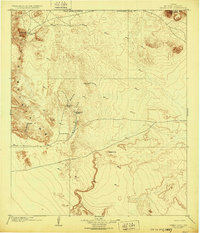 1903 Cerro Alto1929 Print · USGSThe high desert of West Texas and the New Mexico border come alive in this turn-of-the-century survey. Trace early cattle-country water sources like Sparrow Tanks and Coyote Tanks or the peaks of the Hueco Mountains.
 - 1908 Map of El Paso
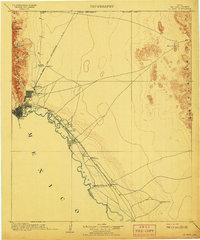 1908 El Paso1908 Print · USGSEl Paso and the lower Rio Grande valley are seen here in the first decade of the century as the railroad and military presence transformed the borderlands. Genealogists can trace family footprints in historic river towns like San Elizario, Ysleta, and Socorro, or find early ranch sites like Newman's Ranch.2 unique versions available
 - 1917 Map of Canutillo, 1957 Print
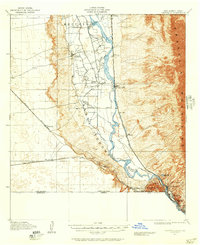 1917 Canutillo1957 Print · USGSThe Rio Grande valley and the international border come to life in this survey from the early twentieth century. Genealogists and researchers can trace the rail-and-river economy through old stations like Strauss, local landmarks like La Vista School, and the industrial Smelter district.
 - 1919 Map of Canutillo
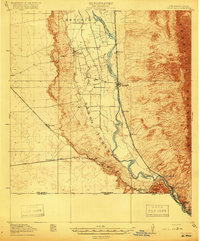 1919 Canutillo1919 Print · USGSThe Rio Grande valley at the Texas and New Mexico border comes to life in this survey from just after the Great War. Genealogists and historians can trace family-named locations and early institutions like La Vista School, the Smelter, and West El Paso PO.3 unique versions available
 - 1939 Map of Ysleta, 1958 Print
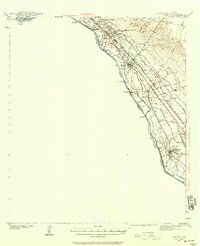 1939 Ysleta1958 Print · USGSThe Rio Grande Valley southeast of El Paso comes alive in this pre-war survey, showing the deep-rooted mission settlements and complex irrigation networks of the borderlands. Genealogists can trace family footprints in historic Ysleta, Socorro, and San Elizario.
 - 1939 Map of Heuco Tanks, 1961 Print
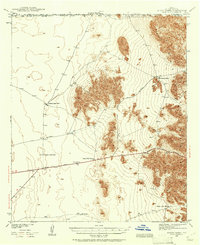 1939 Heuco Tanks1961 Print · USGSEl Paso County ranching and transit routes are documented here just before the Second World War. Trace the historic Old Butterfield Trail past Escontrias Ranch or locate family landmarks like Deep Well Ranch and Helms West Well.
 - 1940 Map of Heuco Tanks
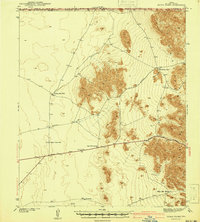 1940 Heuco Tanks1940 Print · USGSEl Paso County ranching and transit are captured at the end of the 1930s as the desert landscape evolved. Genealogists and historians can trace the Old Butterfield Trail and locate family outposts like Escontrias Ranch and Rockhouse.
 - 1940 Map of Bassett Lake, 1954 Print
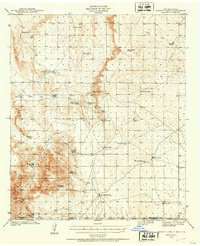 1940 Bassett Lake1954 Print · USGSThe high desert of Otero County at the start of the 1940s reveals a landscape organized around vital water sources and remote ranching outposts. Researchers can trace the network of desert storage like Camaleche Tanks and Escondida Tank or locate the site of Foster Ranch.
 - 1940 Map of Newman, 1965 Print
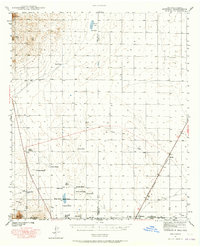 1940 Newman1965 Print · USGSThe high desert borderlands near the New Mexico-Texas line come alive in the 1940s, showing a landscape of remote cattle operations and vital rail links. Trace family history through ranch sites like Trueblood Ranch, locate the old Blythe Sch, and follow the Southern Pacific tracks to Newman.
 - 1941 Map of El Paso
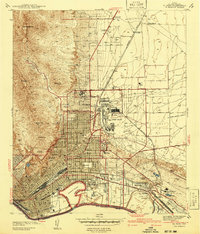 1941 El Paso1941 Print · USGSEl Paso and the borderlands are seen here just before the massive expansion of the mid-century, defined by the mountain peaks and the shifting river. Researchers can trace the unusual boundary at Cordova Island, locate early schools like Radford Sch, or find family names at Tobin Ranch.
 - 1941 Map of Clint
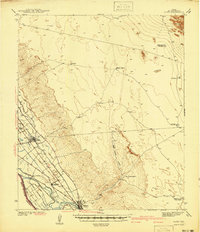 1941 Clint1941 Print · USGSThe Rio Grande valley southeast of El Paso comes alive in the early 1940s, showing a landscape defined by irrigation and iron rails. Researchers can trace the development of Clint, Fabens, and Cuadrilla along the Texas and Pacific railroad.
 - 1941 Map of Ysleta
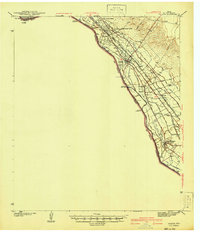 1941 Ysleta1941 Print · USGSThe El Paso Lower Valley was a thriving corridor of irrigation and international trade just before the war. Researchers can trace the heritage of the Rio Grande through the San Antonio Mission, the Ysleta Jesuit College, and the grounds of the County Farm.
 - 1941 Map of Tornillo
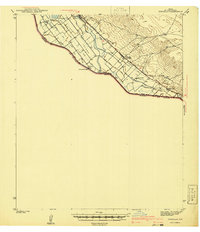 1941 Tornillo1941 Print · USGSEl Paso County's borderlands and irrigation networks are shown here at the start of the 1940s. Genealogists and historians can trace the foundations of Fabens, locate Adobe Houses, and follow the Southern Pacific railroad past Tornillo.
 - 1941 Map of Heuco Mountains, 1958 Print
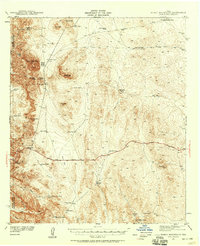 1941 Heuco Mountains1958 Print · USGSThe rugged Hueco Mountains of West Texas are captured here in the early 1940s, showing a landscape defined by ranching and historic travel routes. Trace the historic Butterfield Trail and locate family landmarks like Helms Ranch and Hueco Inn.2 unique versions available
 - 1941 Map of Desert, 1961 Print
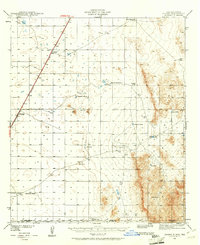 1941 Desert1961 Print · USGSThe arid borderlands of Otero County and the New Mexico-Texas line are captured here in the early 1940s, when the railroad was the primary artery of life. Genealogists and historians can trace old ranching outposts like McCracken Ranch and Davis Ranch along the Southern Pacific tracks.2 unique versions available
 - 1942 Map of Borrego
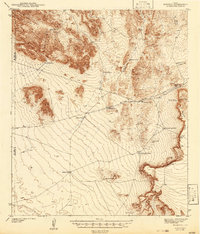 1942 Borrego1942 Print · USGSHigh desert ranching and mining operations in Hudspeth County are documented here in the early 1940s. Researchers can locate named water improvements and local industry sites like the Old Padre Mine, Minnie Veale Well, and Cunningham Tank.3 unique versions available
 - 1942 Map of Fort Bliss
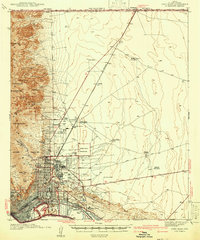 1942 Fort Bliss1942 Print · USGSEl Paso and its military neighbors are captured here in the early 1940s as the desert landscape rapidly modernized. Researchers can trace family ranching sites like Tobin Ranch alongside the expansion of Fort Bliss and the Biggs Field.
 - 1943 Map of La Mesa
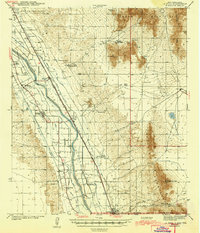 1943 La Mesa1943 Print · USGSThe Mesilla Valley during the early years of the war reveals a complex system of desert irrigation and historic land grants. Genealogists can trace family roots through numerous local landmarks, including the Memorial Ridge Cem, San Luis Ch, and the Beasley Homestead.2 unique versions available
 - 1943 Map of Desert
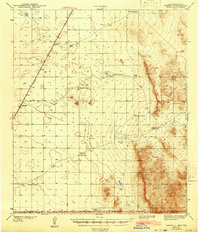 1943 Desert1943 Print · USGSOtero County ranching and rail operations are captured here during the early years of the war. Genealogists and historians can trace family landmarks and water sources like the McCracken Ranch, Davis Ranch, and the isolated Desert station along the Southern Pacific.
 - 1943 Map of Newman
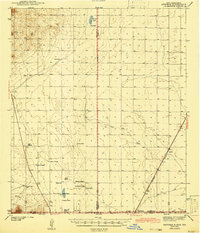 1943 Newman1943 Print · USGSThe high desert of the New Mexico and Texas borderlands comes alive in this wartime survey of the ranching country north of El Paso. Genealogists can trace the remote family outposts of the day, including Trueblood Ranch and Manning Ranch, and the isolated Blythe Sch.2 unique versions available
 - 1943 Map of Heuco Mountains
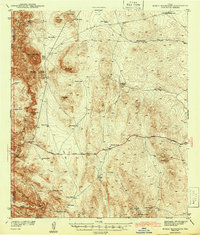 1943 Heuco Mountains1943 Print · USGSHudspeth County ranching and desert travel come into focus in the early 1940s as modern highways began to parallel historic wagon routes. Researchers can locate remote family sites like Helms Ranch and Helm Cem or trace the path of the Butterfield Road.
 - 1943 Map of El Paso
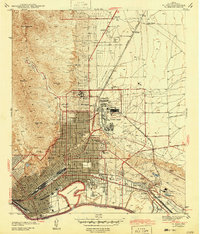 1943 El Paso1943 Print · USGSEl Paso at the start of the 1940s reveals a city shaped by international borders and heavy industry. Genealogists can trace family roots through local schools like Radford Sch and Cooley Sch or locate ancestors at Restlawn Cemetery.
 - 1943 Map of Fort Hancock
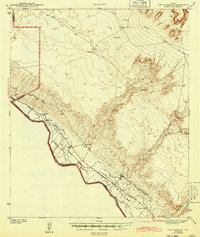 1943 Fort Hancock1943 Print · USGSThe Rio Grande borderlands of West Texas during the early 1940s reveal a landscape of desert ranching and intensive river-fed irrigation. Genealogists and historians can trace rail-side settlements like Acala and Fort Hancock alongside the intricate Young Drain and McNary Main Canal systems.2 unique versions available
 - 1943 Map of Bassett Lake
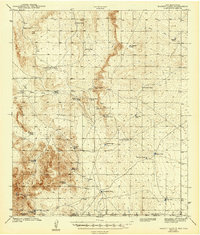 1943 Bassett Lake1943 Print · USGSThe arid high desert of Otero County and the Texas border are captured here during the early war years. Genealogists and desert historians can trace early ranching sites like Foster Ranch and numerous family-named landmarks including John Key Tank and Roberts Tank.
 - 1944 Map of Heuco Tanks, 1949 Print
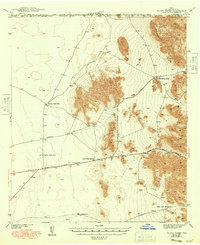 1944 Heuco Tanks1949 Print · USGSEl Paso County at the dawn of the 1940s shows a high-desert ranching landscape shaped by water and heritage. Genealogists and historians can trace historic family holdings like Escontrias Ranch and the path of the storied Old Butterfield Trail.
Showing maps 1-25 of 107
Top cities of El Paso County
- El Paso historical maps
- Socorro historical maps
- Horizon City historical maps
- San Elizario historical maps
- Fabens historical maps
- Canutillo historical maps
See more
Frequently asked questions
- What are the different types of historical maps available for El Paso County?
- What is the oldest map of El Paso County?
- Where can I purchase historical maps of El Paso County for my home or office?
- Where can I download high-res historical maps of El Paso County?
- Are there historical topographic maps available for El Paso County?
- Is there historical aerial imagery available for El Paso County?
- Where are historical maps of El Paso County sourced from?