1950s Maps of El Paso County, Texas
Explore 32 historic maps of El Paso County from the 1950s. These maps offer a rare glimpse into what life looked like during the 1950s — showing old roads, neighborhoods, homes, and landmarks that have changed or disappeared over time.
Whether you're researching your family's past, planning a metal detecting trip, or studying how El Paso County's landscape evolved across the 1950s, these high-resolution maps are a powerful tool for exploring the history of this region.
- Focus on a specific era: All maps on this page are from the 1950s, giving you a focused view of this time period.
- See what’s changed: Compare century-old streets, trails, and buildings to today's modern landscape using overlays and satellite layers.
- Research with precision: Use these maps for genealogy, historical research, land use analysis, or educational projects.
- View, download, or print: Maps are fully viewable online in high resolution, and can be downloaded or printed for your own records.
Start exploring El Paso County's history through authentic maps from the 1950s. This is your window into the past.
El Paso County, TX maps
(32)- 1953 Map of El Paso
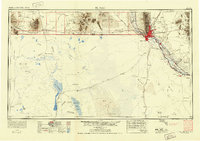 1953 El Paso1953 Print · USGSEl Paso and the border region are shown here in the early fifties, documenting a landscape of shared river life and rising military presence. Genealogists and historians can trace rail-tied communities like Smeltertown, San Elizario, and the grounds of Fort Bliss.
 - 1954 Map of Carlsbad, 1963 Print
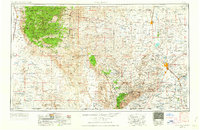 1954 Carlsbad1963 Print · USGSSoutheastern New Mexico's desert peaks and river valleys appear in this mid-century study of the borderlands. Researchers can locate vanished sites like Sacramento City, trace the Pecos River reservoirs, and explore Carlsbad Caverns.3 unique versions available
 - 1954 Map of Van Horn, 1964 Print
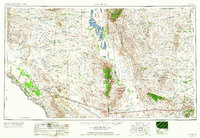 1954 Van Horn1964 Print · USGSThe Trans-Pecos region of West Texas comes into focus in the mid-1950s as a vital corridor of rail and desert commerce. Researchers can trace the path of the Texas and Pacific through Van Horn or locate remote rail sidings like Borracho and Laska Siding.2 unique versions available
 - 1955 Map of Heuco Tanks, 1959 Print
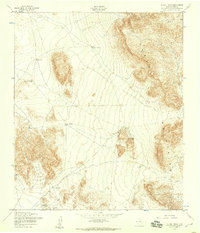 1955 Heuco Tanks1959 Print · USGSEl Paso County's high desert landscape is captured here in the mid-1950s, highlighting the essential water sources of the region. Researchers can trace the network of ranching infrastructure through features like Hueco Tanks, Eighteen Tank, and a Landing Strip (Aband).
 - 1955 Map of Clint, 1959 Print
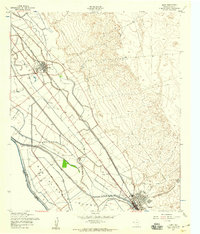 1955 Clint1959 Print · USGSThe El Paso County borderlands are captured here in the mid-1950s, showing the agricultural transformation of San Elizario Island. Genealogists and historians can trace rail-side life in Clint and Fabens, alongside landmarks like San Lorenzo Cemetery and the early Fabens Airfield.2 unique versions available
 - 1955 Map of Clint SE, 1959 Print
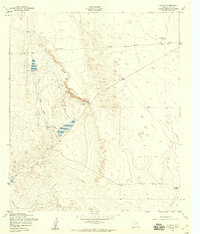 1955 Clint SE1959 Print · USGSEl Paso County ranch lands are captured here in the mid-fifties, revealing a desert landscape shaped by essential water infrastructure. Researchers can trace historic stock tanks and remote landmarks like Fabens Desert Chapel, Cottonwood Dam, and the T and P Well.2 unique versions available
 - 1955 Map of North Franklin Mountain, 1959 Print
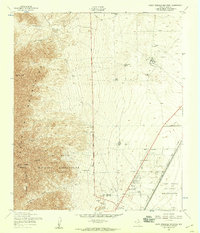 1955 North Franklin Mountain1959 Print · USGSNorth of El Paso in the mid-1950s, the desert landscape was a mix of rugged peaks and growing military and urban footprints. Researchers can trace the early layout of Tobin and Castner Range, or find water landmarks like Rattlesnake Tanks and Cottonwood Spring.4 unique versions available
 - 1955 Map of Nations South Well, 1959 Print
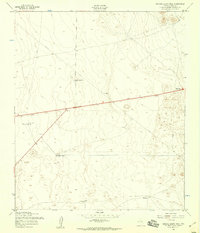 1955 Nations South Well1959 Print · USGSEl Paso County's arid landscape in the mid-fifties was defined by the critical infrastructure of water management and isolated outposts. Researchers can trace the development of The Hueco Club and utility networks like the Hueco Water Wells and Rockhouse.2 unique versions available
 - 1955 Map of Nations East Well, 1959 Print
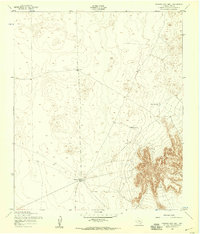 1955 Nations East Well1959 Print · USGSEl Paso County ranchlands are captured here in the mid-1950s, showing a landscape defined by desert water management and remote range life. Researchers can trace historic ranch infrastructure including Nations East Well, Tiger Tank, and the high ground of San Juan Tank.2 unique versions available
 - 1955 Map of Ysleta NW, 1959 Print
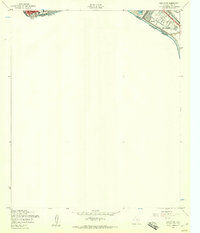 1955 Ysleta NW1959 Print · USGSEl Paso's southeastern fringe comes into focus in the mid-1950s, showing the intersection of international trade and local recreation along the Rio Grande. Researchers can trace early suburban layouts in Lakeside and identify the rail hubs of the T & P and T & NO (SP).3 unique versions available
 - 1955 Map of Clint NE, 1959 Print
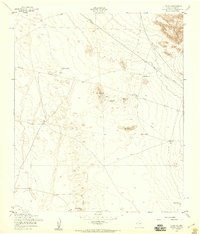 1955 Clint NE1959 Print · USGSThe El Paso County desert landscape in the mid-1950s is defined by critical water infrastructure and the rising peaks of the Hueco Mountains. Researchers can trace the era's land use through a network of named sites like Gentleman Well, Backbone Hill, and Skunk Tank.2 unique versions available
 - 1955 Map of El Paso, 1959 Print
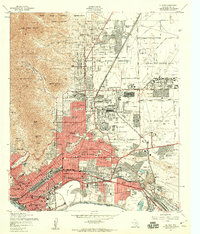 1955 El Paso1959 Print · USGSEl Paso and the adjacent military installations are shown here in the mid-fifties as the city expanded toward the airport. Genealogists and historians can trace neighborhood growth through dozens of named sites like Loretto College, Ascarate Park, and the Union Sta.3 unique versions available
 - 1955 Map of Clint NW, 1959 Print
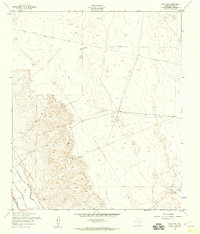 1955 Clint NW1959 Print · USGSThe arid El Paso County desert meets early irrigation infrastructure in the mid-fifties. Researchers can trace the ranching life of the era through isolated landmarks like Joint Well and the Ysleta Lateral.3 unique versions available
 - 1955 Map of San Elizario, 1959 Print
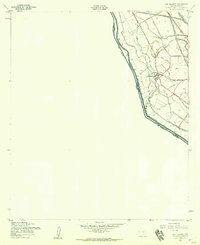 1955 San Elizario1959 Print · USGSSan Elizario in the mid-fifties sat at the heart of a vital irrigation network along the Mexican border. Researchers can trace ancestral property and local infrastructure through named ditches like the Barrial Lateral or historic routes like the Old Spanish Trail.4 unique versions available
 - 1955 Map of Ysleta, 1959 Print
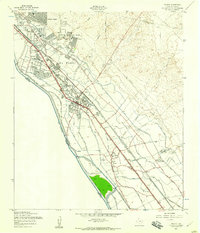 1955 Ysleta1959 Print · USGSThe Rio Grande valley southeast of El Paso comes to life in the mid-fifties, showing the intersection of international transit and desert irrigation. Genealogists can trace family landmarks like the Ysleta Jesuit Cem or search for historic sites like the Bracero Reception Center and Socorro Sch.3 unique versions available
 - 1955 Map of Fort Bliss NE, 1959 Print
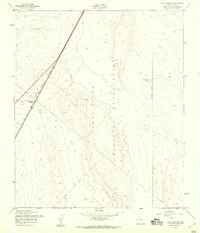 1955 Fort Bliss NE1959 Print · USGSThe Texas desert north of El Paso comes alive in the mid-fifties, showing the intersection of military expansion and essential rail transit. Locate aviation and transport history via the Newman Radio Beacon Towers and the Southern Pacific rail line.2 unique versions available
 - 1955 Map of Fort Bliss SE, 1959 Print
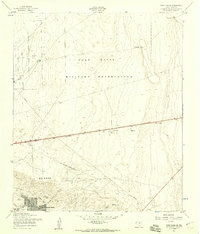 1955 Fort Bliss SE1959 Print · USGSEl Paso and the surrounding desert were undergoing rapid postwar expansion in the mid-fifties as military and civilian footprints grew. You can trace the development of Del Norte Heights, locate the old Drive-in Theater, and see the footprint of Biggs Air Force Base.3 unique versions available
 - 1955 Map of Helms West Well, 1959 Print
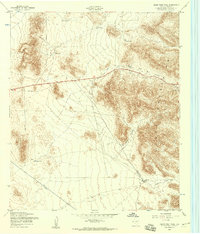 1955 Helms West Well1959 Print · USGSEl Paso County ranching and transit infrastructure are captured here in the mid-1950s, highlighting a landscape defined by water and wind. Trace the locations of Helms West Well, the Landing Strip, and remote water catchments like Dugout Tank.
 - 1955 Map of Smeltertown, 1962 Print
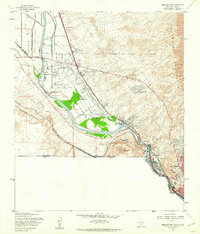 1955 Smeltertown1962 Print · USGSEl Paso and the borderlands are seen here in the mid-fifties, where industry and education meet the high desert. Researchers can trace the riverfront development of Smeltertown or locate historical sites like La Guna Cem and the University of Texas Western College.5 unique versions available
 - 1955 Map of Strauss, 1962 Print
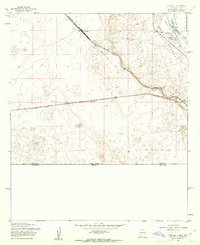 1955 Strauss1962 Print · USGSThe borderlands of southern New Mexico meet the Texas line in the mid-1950s, centered on the vital rail traffic of the southwest. Genealogists and rail historians can trace the Southern Pacific through Strauss, find the Santa Nina Ch, and follow the Old Railroad Grade near Mastodon.
 - 1955 Map of Canutillo, 1962 Print
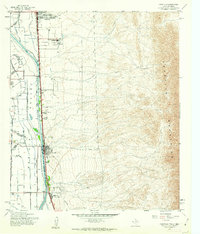 1955 Canutillo1962 Print · USGSThe Mesilla Valley at the New Mexico-Texas border shows a desert landscape transformed by river engineering in the mid-1950s. Genealogists and historians can trace the rail-side growth of Canutillo and Anthony or locate the Federal Correctional Institution and Mt Zion Ch.4 unique versions available
 - 1955 Map of Newman, 1962 Print
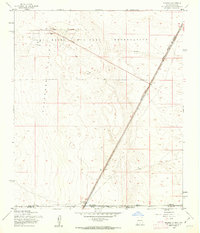 1955 Newman1962 Print · USGSThe high desert of the New Mexico and Texas border comes into focus in the mid-1950s, centered on the Newman settlement. Researchers can trace the diagonal path of the Southern Pacific railroad and locate early military infrastructure like a Meteorological Station and several Ruins.2 unique versions available
 - 1955 Map of Anthony, 1962 Print
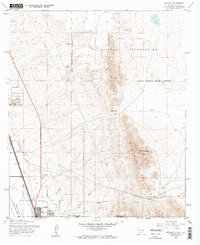 1955 Anthony1962 Print · USGSThe Texas-New Mexico borderlands meet the slopes of the Franklin Mountains in the mid-fifties. Genealogists and historians can trace the irrigation canals of the Three Saints Lateral and locate local landmarks like La Purisima Ch and the Cemetery in Anthony.2 unique versions available
 - 1955 Map of Desert SE, 1962 Print
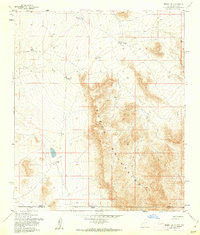 1955 Desert SE1962 Print · USGSThe high desert borderlands between New Mexico and Texas are captured here in the mid-1950s. Researchers can trace the era's arid-land infrastructure through numerous water catchments like Lake Tank and find evidence of past habitation at the Ruins near the Hueco Mountains.
 - 1955 Map of La Union, 1962 Print
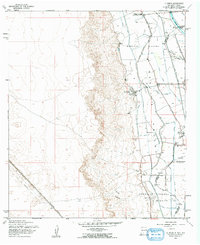 1955 La Union1962 Print · USGSThe Mesilla Valley landscape comes alive in this mid-fifties study of the irrigated corridor south of Las Cruces. Genealogists and local historians can trace the foundations of La Union, the Refugio Colony, and rural landmarks like St Lukes Ch and Central Sch.2 unique versions available
Showing maps 1-25 of 32
Top cities of El Paso County
- El Paso historical maps
- Socorro historical maps
- Horizon City historical maps
- San Elizario historical maps
- Fabens historical maps
- Canutillo historical maps
See more
Frequently asked questions
- What are the different types of historical maps available for El Paso County?
- What is the oldest map of El Paso County?
- Where can I purchase historical maps of El Paso County for my home or office?
- Where can I download high-res historical maps of El Paso County?
- Are there historical topographic maps available for El Paso County?
- Is there historical aerial imagery available for El Paso County?
- Where are historical maps of El Paso County sourced from?