Old Maps of Startup, Washington for Genealogy
Trace your family roots with 32 historic maps of Startup. These high-res maps reveal old neighborhoods, homesites, landmarks, and streets — helping you uncover where your ancestors lived and how the area evolved over time.
- Explore historic neighborhoods: Identify where your relatives may have lived in the 1800s or 1900s.
- Compare maps over time: Trace the changes in streets, buildings, and landmarks for multi-generational research.
- Perfect for genealogy & ancestry research: Used by family historians and researchers to map out lineage and migration.
These maps are an incredible resource for exploring your personal connection to Startup's past.
Startup, WA maps
(32)- 1921 Map of Sultan
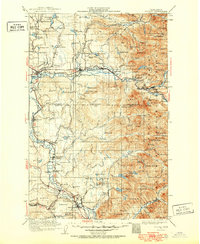 1921 Sultan1921 Print · USGSThe Snoqualmie and Skykomish river valleys are defined by timber and rail in the 1920s. Researchers can trace early industry through the Apex Mines, Coke Ovens, and rural schools like Mountain View School.4 unique versions available
 - 1923 Map of Sultan
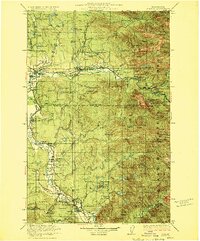 1923 Sultan1923 Print · USGSThe Skykomish and Snoqualmie river valleys thrive in the early twenties as centers of timber and rail. Genealogists can trace family roots through rural sites like Forest Glade School or follow the Lumber RR lines to the Apex Mines.4 unique versions available
 - 1953 Map of Sultan, 1955 Print
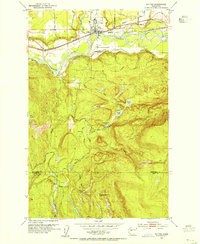 1953 Sultan1955 Print · USGSThe river-and-rail corridor of the Skykomish Valley is captured here in the early fifties, centering on the town of Sultan. Researchers can trace the Great Northern line and discover upland features like Drunken Charlie Lake and the Old Railroad Grade.4 unique versions available
 - 1956 Map of Monroe, 1958 Print
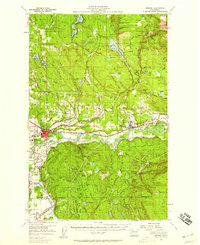 1956 Monroe1958 Print · USGSSnohomish County in the mid-fifties shows a landscape of river-valley agriculture and upland timber. Trace the Great Northern rail lines through Monroe and Sultan, or locate rural landmarks like Wagner Sch and the State Reformatory.2 unique versions available
 - 1957 Map of Index, 1959 Print
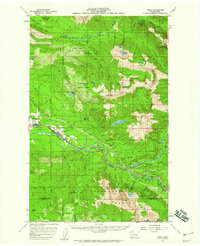 1957 Index1959 Print · USGSThe mountain corridors of the North Cascades come alive in the late 1950s as the rail and timber industries thrive. Researchers can trace the path of the Great Northern Railway through mountain towns like Gold Bar and find old extraction sites like the Kromona Mine.3 unique versions available
 - 1957 Map of Wenatchee, 1973 Print
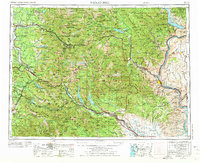 1957 Wenatchee1973 Print · USGSThe northern Cascades and Columbia River valley appear here in the mid-fifties, showing the region's critical rail and transit corridors. Researchers can trace the routes of the Great Northern RR and Milwaukee Road through settlements like Skykomish, Baring, and Dryden.2 unique versions available
 - 1975 Map of Skykomish River, 1977 Print
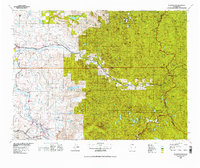 1975 Skykomish River1977 Print · USGSThe Cascades meet the river valleys in the mid-seventies, showing the vital rail corridors and mountain towns along the Skykomish River. Researchers can trace the path of the Pacific Crest National Scenic Trail and locate historic sites like State Reformatory Farm No 2 and the Old Cascade Tunnel.2 unique versions available
 - 1989 Map of Lake Chaplain
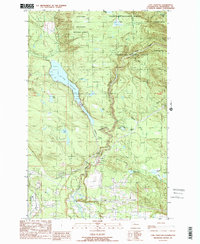 1989 Lake Chaplain1989 Print · USGSSnohomish County water systems and forests are captured here in the late eighties, featuring the critical Lake Chaplain reservoir. Trace local industrial footprints through the Powerhouse, the Quarry, and an extensive Aqueduct network.
 - 1989 Map of Wallace Lake
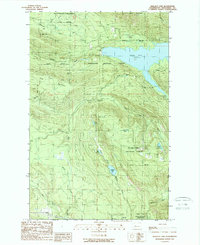 1989 Wallace Lake1989 Print · USGSSnohomish County during the late eighties shows a landscape of deep forests, hydroelectric power, and mountain recreation. Researchers can trace the path of an Old Railroad Grade, locate the Lockwood Mine, or study the impact of Culmback Dam on Spada Lake.
 - 1989 Map of Gold Bar
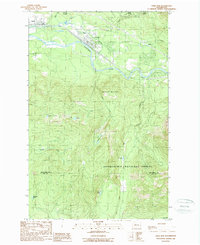 1989 Gold Bar1989 Print · USGSThe Skykomish River valley in the late eighties shows the timber and transport routes that shaped Snohomish County. Trace the paths of an OLD RR GRADE and find local landmarks like the FISH HATCHERY or the high waters of Duffey Lakes.2 unique versions available
 - 1993 Map of Sultan
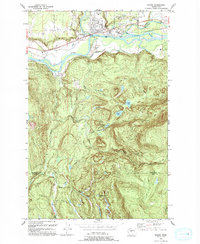 1993 Sultan1993 Print · USGSSultan sits at the confluence of two major rivers in the early nineties, where timber history meets a growing valley community. Trace the remnants of the Old Railroad Grade or locate high-country landmarks like Drunken Charlie Lake and Lake Elsie.
 - 1997 Map of Sultan, 2003 Print
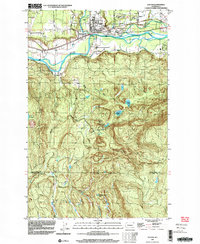 1997 Sultan2003 Print · USGSThe confluence of the Skykomish and Sultan rivers defines this late-century landscape, showing the town of Sultan as it transitioned from a timber hub to a growing residential community. Researchers can trace historic industrial footprints and local landmarks like the Cemetery, the Old Railroad Grade, and Drunken Charlie Lake.
 - 2011 Map of Wallace Lake, 2011 Print
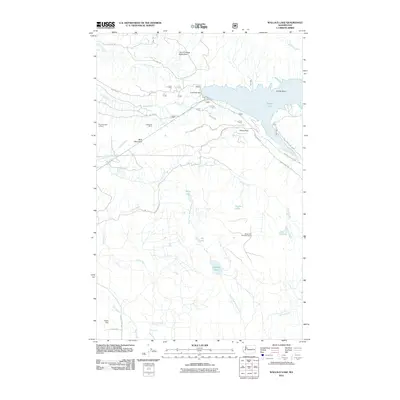 2011 Wallace Lake2011 Print · USGSThe Sultan Basin high country is captured here during the early twenty-first century, showing the critical watershed infrastructure and forest access of Snohomish County. Trace the historic Lockwood Mine, find the Blue Mountain Lookout, or locate Olney Falls.
 - 2011 Map of Gold Bar, 2011 Print
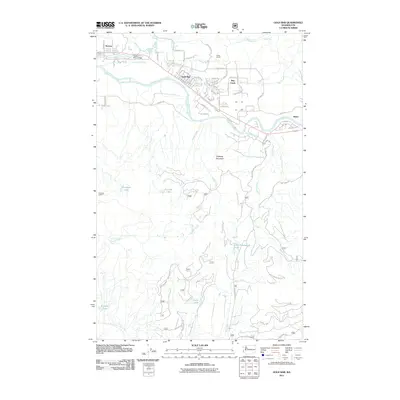 2011 Gold Bar2011 Print · USGSThe river valleys of Snohomish County are documented here in the early twenty-first century as the corridor from Startup to Reiter matured. Researchers can trace local landmarks like Camp Huston, the Wallace River Bridge, and several alpine lakes including Little Cavanaugh Lake.
 - 2011 Map of Lake Chaplain, 2011 Print
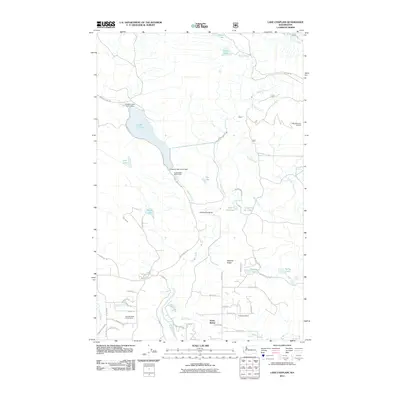 2011 Lake Chaplain2011 Print · USGSSnohomish County is captured here in the early twenty-first century, showcasing the vital water infrastructure surrounding Lake Chaplain. Researchers can trace the path of the Sultan River, locate the Everett Water Work Intake, and explore the settlement of North Sultan.
 - 2011 Map of Sultan, 2011 Print
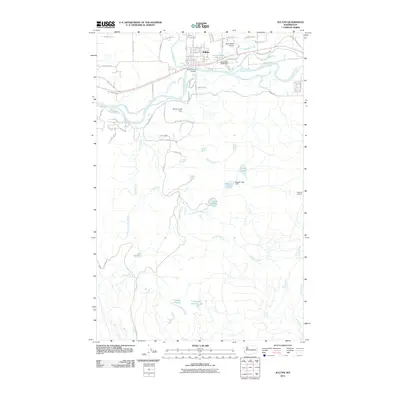 2011 Sultan2011 Print · USGSThe community of Sultan is captured here just after the turn of the millennium, where the river valleys meet the rising mountain foothills. Researchers can trace the layout of local neighborhoods and find landmarks like Sky Harbor Airport, the Sultan Mill Pond, and Haystack Lookout.
 - 2014 Map of Gold Bar, 2014 Print
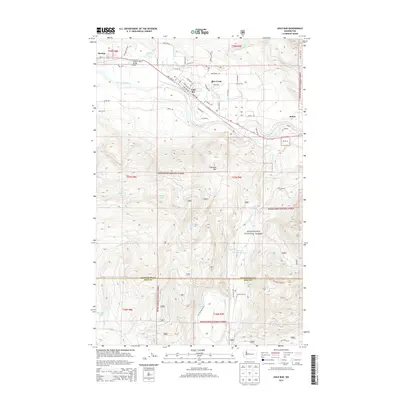 2014 Gold Bar2014 Print · USGSThe Skykomish River valley comes alive in the mid-2010s, showing the vital rail and road links connecting the riverside towns of Gold Bar and Startup. Researchers can trace the path of the BNSF Railway or locate remote high-country features like Airplane Lake and Haystack Mtn.
 - 2014 Map of Lake Chaplain, 2014 Print
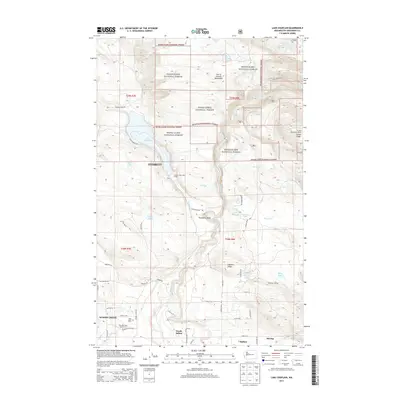 2014 Lake Chaplain2014 Print · USGSThe Sultan River valley in Snohomish County is captured here in the early twenty-first century, showing the critical infrastructure of the City of Everett Watershed. Researchers can locate the Blue Mountain Lookout, the grounds of Rain Spirit Farm, and the distinct paths of Monroe Camp Rd.
 - 2014 Map of Wallace Lake, 2014 Print
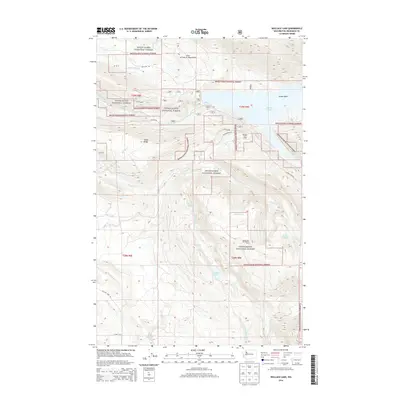 2014 Wallace Lake2014 Print · USGSThe Cascade foothills east of Everett are shown here in the mid-2010s, centering on the high-elevation Sultan Basin. Researchers can trace the protected boundaries of the City of Everett Watershed and locate mountain landmarks like Olney Pass and Wallace Lake.
 - 2014 Map of Sultan, 2014 Print
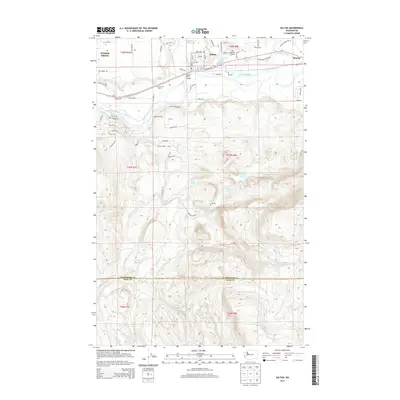 2014 Sultan2014 Print · USGSThe Sultan River valley and the Snohomish-King county line come into focus during the early twenty-first century. Local historians can trace the footprints of Hofstra Dairy, the Sultan Mill Pond, and the Sultan River Bridge.
 - 2017 Map of Sultan, 2017 Print
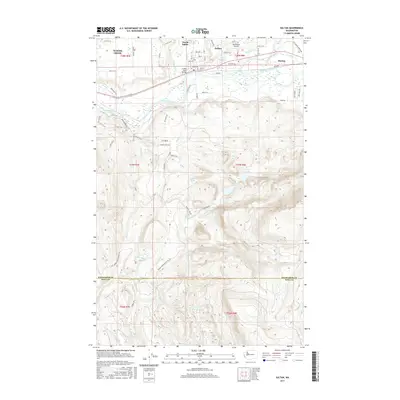 2017 Sultan2017 Print · USGSThe confluence of the Skykomish and Wallace Rivers defines this Washington river valley in the 2010s. Researchers can trace the layout of Sultan and Startup or locate remote high-altitude features like Drunken Charlie Lake and Lake Dorothy.
 - 2017 Map of Lake Chaplain, 2017 Print
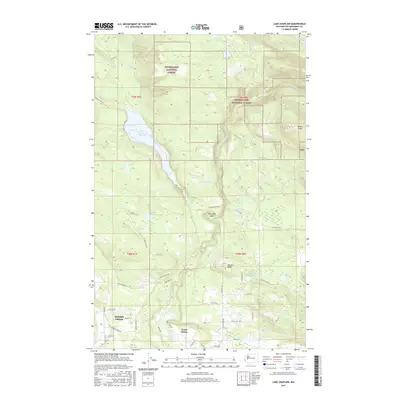 2017 Lake Chaplain2017 Print · USGSThe wooded ridges of Snohomish County are captured here in the late 2010s, showing the intersection of industrial timberlands and residential growth. Genealogists and local historians can trace the outskirts of North Sultan and name-bearing landmarks like Sultan Ridge, Lake Chaplain, and Woods Creek.
 - 2017 Map of Wallace Lake, 2017 Print
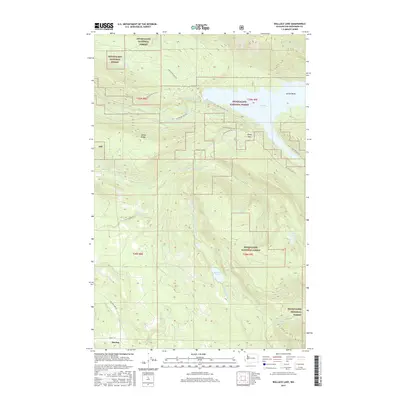 2017 Wallace Lake2017 Print · USGSThe foothills of the Cascades meet the Skykomish Valley in this 2017 survey of Snohomish County's timberlands and watersheds. Researchers can trace the drainage of the Sultan River from the Spada Lake reservoir down to the valley settlement of Startup.
 - 2017 Map of Gold Bar, 2017 Print
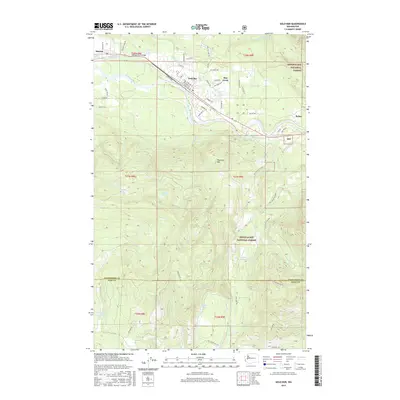 2017 Gold Bar2017 Print · USGSThe foothills of the Cascades come into focus in 2017, where the Skykomish and Wallace rivers meet. Genealogists and hikers can trace the street grids of Gold Bar, Startup, and May Creek or locate remote high-country water like Airplane Lake and Winter Lake.
 - 2020 Map of Gold Bar, 2020 Print
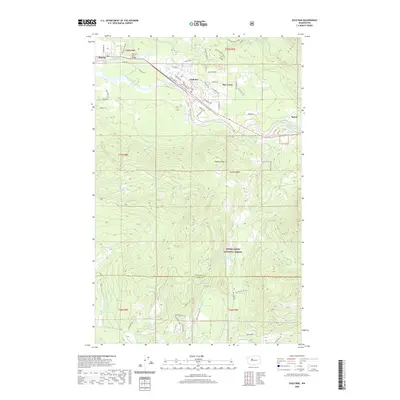 2020 Gold Bar2020 Print · USGSSnohomish County settlements and the Cascade foothills are captured here during a period of modern forest management and river conservation. Researchers can trace the Old Railroad Grade and locate local landmarks like Wallace Falls and the Reiter Skykomish Rearing Ponds.
Showing maps 1-25 of 32
Top cities near Startup
- Everett historical maps
- Sammamish historical maps
- Monroe historical maps
- Duvall historical maps
- Woods Creek historical maps
- Sultan historical maps
See more
Frequently asked questions
- What are the different types of historical maps available for Startup?
- What is the oldest map of Startup?
- Where can I purchase historical maps of Startup for my home or office?
- Where can I download high-res historical maps of Startup?
- Are there historical topographic maps available for Startup?
- Is there historical aerial imagery available for Startup?
- Where are historical maps of Startup sourced from?