Old Maps of Remington, Wisconsin for Academic Research
Study the evolution of Remington with 45 high-resolution historic maps. Whether you're teaching, researching, or modeling changes in land use, these maps provide essential visual documentation of urban, environmental, and geographic change.
- Analyze long-term change: Track patterns in development, transportation, and natural features.
- Ideal for environmental or urban studies: Support academic projects with primary historical map data.
- Use in the classroom or lab: Educators and researchers rely on these maps to bring historical context to life.
These maps are a powerful tool for teaching, research, and visualizing how Remington has changed over the decades.
Remington, WI maps
(45)- 1953 Map of Eau Claire, 1965 Print
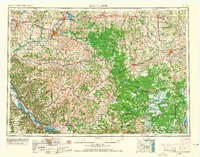 1953 Eau Claire1965 Print · USGSWest-central Wisconsin in the mid-fifties shows a landscape of river-valley industry and vast wildlife refuges during the transition from rails to modern highways. Genealogists and historians can trace the rail corridors of the Chicago and North Western or locate family-named landmarks like Decorah Mound and Chippewa Island.4 unique versions available
 - 1957 Map of Pittsville, 1959 Print
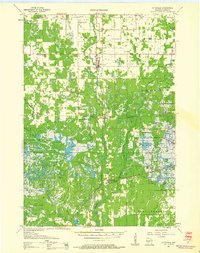 1957 Pittsville1959 Print · USGSWood County in the late fifties was a specialized landscape of marshland agriculture and remote rural outposts. Genealogists and historians can trace family-named schools like Wallace Sch, find the Babcock Cem, and locate the expansive Cranberry Bogs.2 unique versions available
 - 1957 Map of City Point, 1960 Print
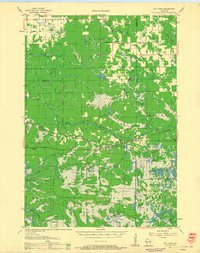 1957 City Point1960 Print · USGSJackson and Clark Counties are shown here in the late fifties, dominated by the timber and cranberry industries of the Central Wisconsin Sand County. Genealogists and historians can locate rural landmarks like Audubon Sch, Martyrs Cem, and the old rail siding at Spaulding.2 unique versions available
 - 1958 Map of Eau Claire
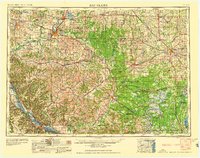 1958 Eau Claire1958 Print · USGSWestern Wisconsin in the late fifties shows a landscape of growing regional hubs and massive wildlife refuges. Trace the rail lines of the Chicago and North Western between Eau Claire and Marshfield, or explore the terrain around Iron Mound and Lake Wissota.
 - 1958 Map of Necedah, 1960 Print
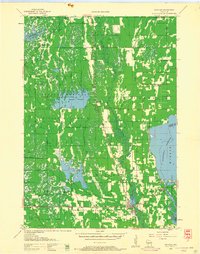 1958 Necedah1960 Print · USGSJuneau County in the late fifties shows a landscape shaped by massive water projects and conservation efforts. Genealogists and hikers can trace old country roads to find the Rockview Sch, Zion Cem, and the tracks of the Chicago and North Western.3 unique versions available
 - 1958 Map of Wyeville, 1960 Print
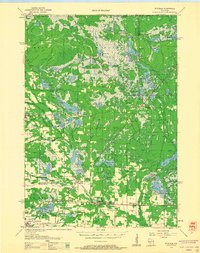 1958 Wyeville1960 Print · USGSWisconsin's cranberry and timber country is documented here in the late fifties, centered on the rail junctions of Monroe and Juneau Counties. You can trace the rural infrastructure of the day, from the Indian Cem and St Marks Ch to the Chicago and North Western rail lines.
 - 1964 Map of Eau Claire
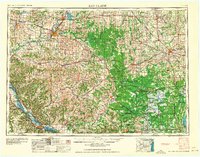 1964 Eau Claire1964 Print · USGSWest-central Wisconsin in the mid-1960s was a hub of river-driven industry and expanding rail networks. Researchers can trace historic homesteads near Menomonie, follow the Soo Line RR through Marshfield, or explore the grounds of the Camp McCoy Military Reservation.
 - 1967 Map of Pittsville, 1969 Print
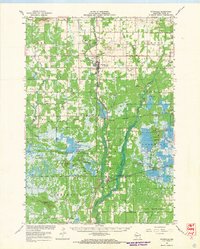 1967 Pittsville1969 Print · USGSWood County in the late sixties shows a unique landscape of managed wetlands and cranberry production. Genealogists and local historians can trace family sites near Pittsville, find the Cranmoor Sch, or locate cemeteries like St Johns Cem and Babcock Cem.2 unique versions available
 - 1969 Map of New Miner, 1971 Print
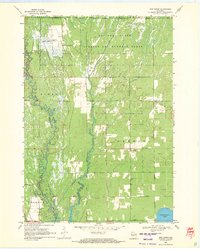 1969 New Miner1971 Print · USGSJuneau County was a landscape of specialized land use in the late sixties, from military ranges to wildlife conservation. Researchers can locate the New Miner settlement, several rural burial grounds like Novotny Cem, and the tracks of the M St P & P railroad.2 unique versions available
 - 1969 Map of Finley, 1971 Print
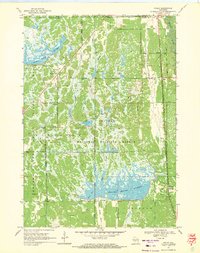 1969 Finley1971 Print · USGSJuneau County’s wetland interior is documented here in the late sixties, showcasing the vast water management systems of the Necedah National Wildlife Refuge. Researchers can trace the rail corridor of the Chicago Milwaukee St Paul and Pacific and locate local landmarks like Finley and Meadow Valley Cem.
 - 1970 Map of Mather, 1972 Print
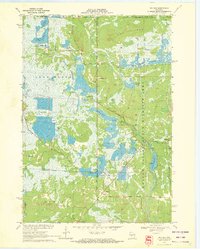 1970 Mather1972 Print · USGSThe cranberry bogs and flowages of Juneau County are at their peak development in this 1970s record of the central Wisconsin marshes. Genealogists and historians can locate Mather, the Oak Grove Cem, and the old rail-aligned settlement of Norway Ridge.
 - 1970 Map of City Point, 1972 Print
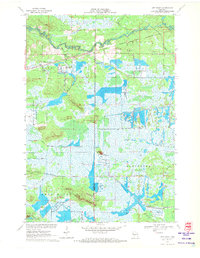 1970 City Point1972 Print · USGSWood County’s cranberry country and rail history are well-preserved here in the early seventies, centered on the junction at City Point. Researchers can trace the legacy of local families through the Martyrs Cem City Point Cem and the complex drainage of the Remington Ditch and Bissig Ditch.3 unique versions available
 - 1984 Map of Babcock
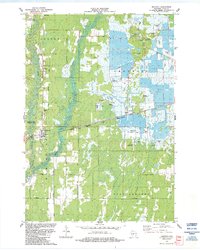 1984 Babcock1984 Print · USGSWood County’s cranberry country is documented here in the mid-1980s, showing a unique landscape of bogs and rural landing strips. Genealogists and local historians can locate the Babcock Cem and trace early routes like Lonesome Road or Creamery Road.
 - 1984 Map of Quail Point Flowage
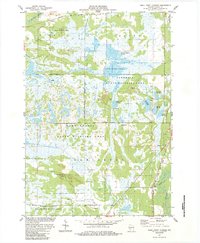 1984 Quail Point Flowage1984 Print · USGSWood County was a landscape of managed wetlands and conservation at the dawn of the 1980s. Local researchers can trace the rail corridors of the Green Bay and Western, locate the Lookout Tower on South Bluff, and explore the marshes around Scranton.
 - 1985 Map of Black River Falls
 1985 Black River Falls1985 Print · USGSCentral Wisconsin in the mid-1980s is defined by its sprawling wildlife refuges and the winding Black River corridor. Genealogists and researchers can trace rural settlements like Millston and Warrens or locate historical sites such as the Iron Mine and the grounds of Fort McCoy.2 unique versions available
 - 2010 Map of Babcock, 2010 Print
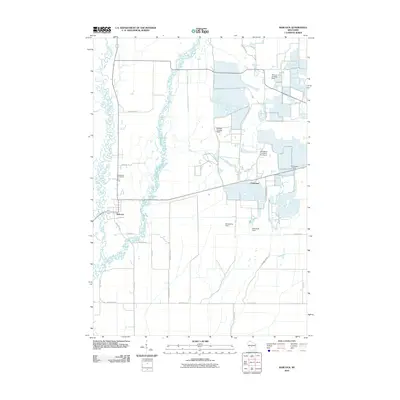 2010 Babcock2010 Print · USGSCranmoor and the surrounding marshlands of Wood County appear in 2010 as a specialized landscape of cranberry bogs and private airfields. Researchers can trace the banks of the Yellow River, locate the Babcock Cemetery, and see the aviation network at Whittlesey Cranberry Co Airport.
 - 2010 Map of Mather, 2010 Print
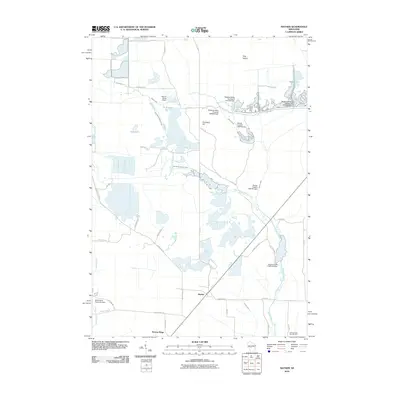 2010 Mather2010 Print · USGSMather and Norway Ridge were hubs of activity in central Wisconsin during the early twenty-first century, surrounded by a complex system of dams and flowages. Researchers can trace the water-management history of the region through labels like the Meadow Valley Flowage 2WP395 Dam and 16 Reservoir.
 - 2010 Map of Finley, 2010 Print
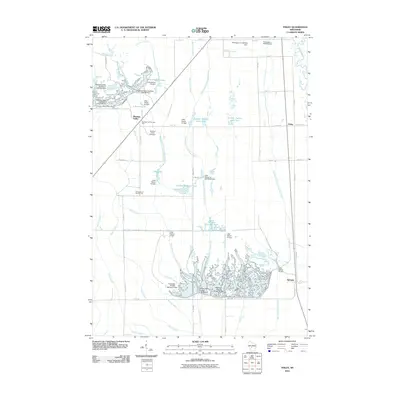 2010 Finley2010 Print · USGSThe Central Wisconsin wetlands of Juneau County appear here as a complex grid of water management and small rural outposts. Researchers can trace the extensive network of drainage channels and pools, from the Meadow Valley Cemetery to the Greenhead Flowage and the settlement of Sprague.
 - 2010 Map of Quail Point Flowage, 2010 Print
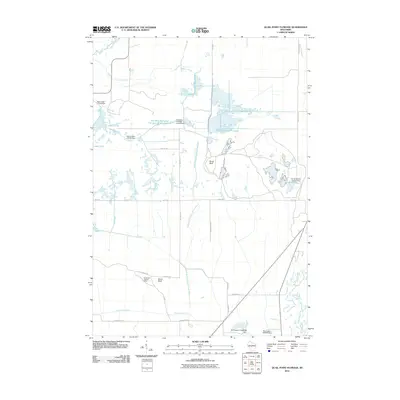 2010 Quail Point Flowage2010 Print · USGSWisconsin’s wetland management systems are on full display in this 2010 survey of Wood County’s flowages and bluffs. Researchers can trace the engineering of the Gallagher Flowage Controls Dam or locate the historic South Bluff Lookout Tower positioned near the Remington Ditch.
 - 2010 Map of City Point, 2010 Print
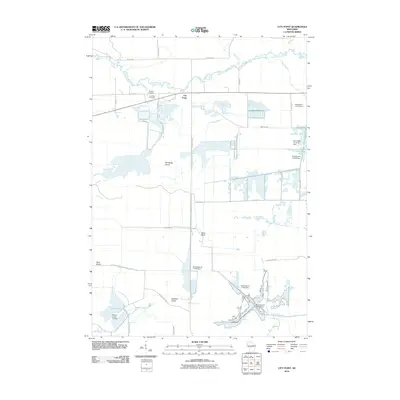 2010 City Point2010 Print · USGSCity Point and the surrounding Jackson County wetlands are captured here in the early twenty-first century, showing a landscape shaped by water and wood. Researchers can trace local lineage at Martyrs Cemetery or explore the network of dams and canals including Remington Ditch and Van Tassle Island.
 - 2010 Map of New Miner, 2010 Print
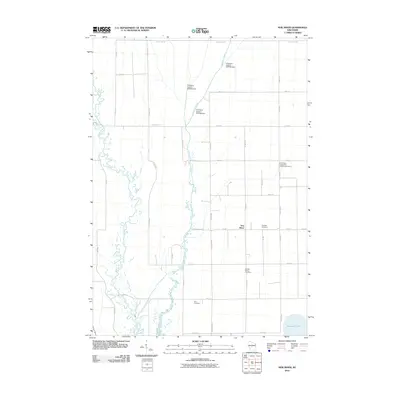 2010 New Miner2010 Print · USGSFinley and New Miner are depicted here during the first decade of the 21st century, showing a landscape defined by cranberry production and river management. Genealogists can locate several local burial grounds including Novotny Cemetery and Saint Pauls Evangelical Lutheran Cemetery near New Miner.
 - 2013 Map of Quail Point Flowage, 2013 Print
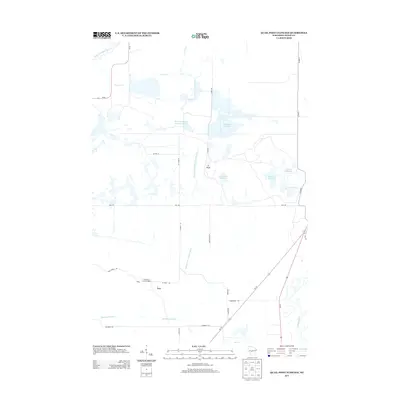 2013 Quail Point Flowage2013 Print · USGSThis Wood County landscape at the start of the 2010s reveals a complex network of wetlands and water management systems. Researchers can trace the drainage of Remington Ditch and locate the South Bluff Lookout Tower overlooking Quail Point Flowage and Bullgrass Flowage.
 - 2013 Map of Finley, 2013 Print
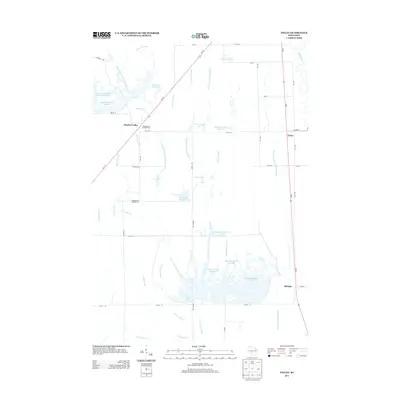 2013 Finley2013 Print · USGSFinley and the surrounding Wisconsin wetlands are shown in the early twenty-first century as a land shaped by water management. Genealogists and researchers can trace the drainage laterals and flowages that define the area, from Meadow Valley to Sprague-Mather Flowage.
 - 2013 Map of Babcock, 2013 Print
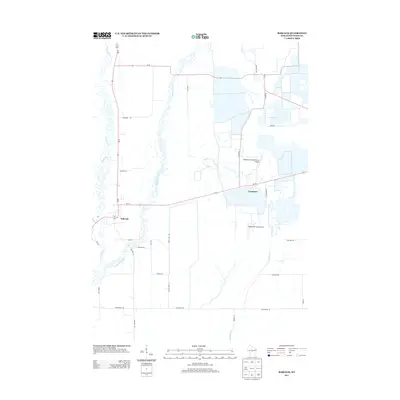 2013 Babcock2013 Print · USGSWood County’s cranberry country is documented here in the early twenty-first century, showing a landscape shaped by water and agriculture. Researchers can trace the drainage patterns of Cranberry Creek and locate unique aviation sites like Whittlesey Cranberry Co Airport.
 - 2013 Map of City Point, 2013 Print
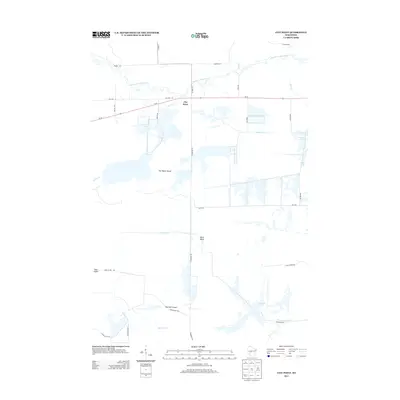 2013 City Point2013 Print · USGSJackson County's wetland landscape is captured here in the early twenty-first century, centered on the small community of City Point. Genealogists and local historians can trace family-named landmarks like Van Tassle Island and Ketchum Island among a complex network of drainage works including Weisner Ditch.
Showing maps 1-25 of 45
Top cities near Remington
- Strongs Prairie historical maps
- Pittsville historical maps
- Lynn historical maps
- Vesper historical maps
- Cutler historical maps
- Sherwood historical maps
See more
Top neighborhoods of Remington
Frequently asked questions
- What are the different types of historical maps available for Remington?
- What is the oldest map of Remington?
- Where can I purchase historical maps of Remington for my home or office?
- Where can I download high-res historical maps of Remington?
- Are there historical topographic maps available for Remington?
- Is there historical aerial imagery available for Remington?
- Where are historical maps of Remington sourced from?