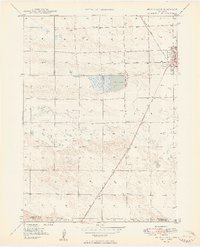
1949 Map of Bronco Lake
USGS Topo · Published 1949About this map
The western edge of Alliance serves as the focal point for this 1940s western Nebraska landscape, where the high plains meet early suburban and agricultural infrastructure. The topography is defined by the winding course of Snake Creek and the notable catchment of Bronco Lake. Education was decentralized at this time, evidenced by the presence of School No 11 and School No 1 serving rural districts, alongside the Letan Sch further south. The Chicago Burlington and Quincy railroad cuts a diagonal path across the terrain, illustrating the vital role of rail transport in connecting the Panhandle's cattle and crop centers. Near the town edge, St Josephs Hospital and the Alliance Country Club mark the expansion of community services and social life. The southern boundary of the map follows the Box Butte Co Morrill Co line, transitioning into the Letan area.
Find a feature on this map
16 named features on this map. Tap any name to fly to it.
Don’t see what you’re looking for? This feature index may not catch every label — zoom into the map to look around manually.
Map Details
Editions of this 1949 Bronco Lake Map
2 editions found
Other maps of this area
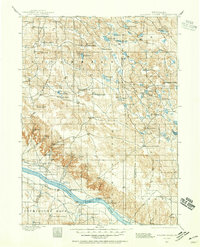
1896 · Browns Creek
USGS Topo · 1:125,000
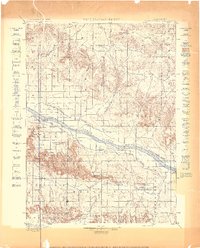
1898 · Camp Clarke
USGS Topo · 1:125,000
1899 · Browns Creek
USGS Topo · 1:125,000
1946 · Berea Creek East
USGS Topo · 1:24,000
1947 · Alliance
USGS Topo · 1:24,000
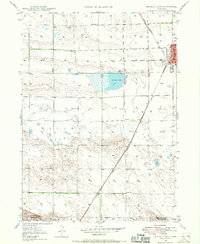
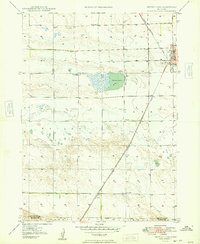
1947 · Bronco Lake
USGS Topo · 1:24,000
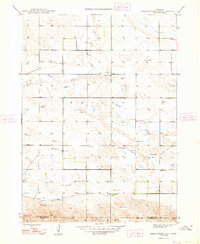
1948 · Hemingford 4 SE
USGS Topo · 1:24,000
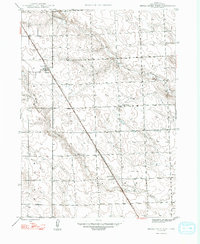
1948 · Berea Creek West
USGS Topo · 1:24,000
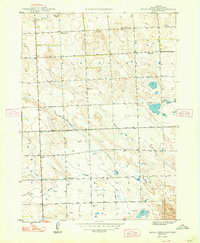
1948 · Berea Creek East
USGS Topo · 1:24,000
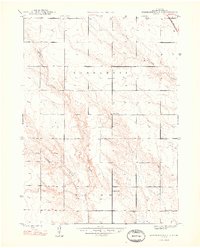
1948 · Hemingford 4 NE
USGS Topo · 1:24,000