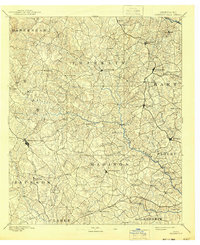
1891 Map of Carnesville
USGS Topo · Published 1930About this map
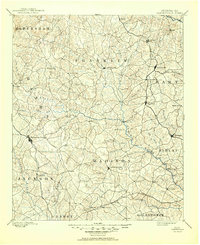
The Broad River and its numerous tributaries, including the Hudson River and Middle Fork, define the landscape of Northeast Georgia as it stood in the late nineteenth century. Small river-crossing communities such as Daniel Fy, Moore Fy, and Payton Fy illustrate the vital role of ferries in the local economy before the proliferation of bridges. This era captures the region's transition into the railroad age, evidenced by the path of the Elberton Air Line Rail Road connecting towns like Lavonia and Royston. Settlement patterns here show a mix of established county seats like Carnesville and Danielsville alongside rural centers like Harmony Grove and Fort Lamar, providing a clear view of the inland South's agricultural and transportation network before twentieth-century modernization.
Find a feature on this map
79 named features on this map. Tap any name to fly to it.
Don’t see what you’re looking for? This feature index may not catch every label — zoom into the map to look around manually.
Map Details
Editions of this 1891 Carnesville Map
6 editions found
Other maps of this area
1886 · Dahlonega
USGS Topo · 1:125,000
1886 · Walhalla
USGS Topo · 1:125,000
1888 · Pickens
USGS Topo · 1:125,000
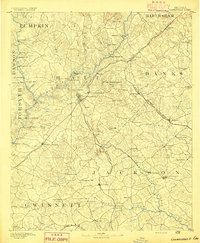
1891 · Gainesville
USGS Topo · 1:125,000
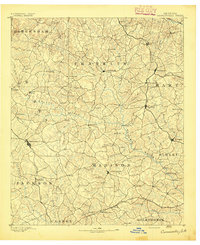
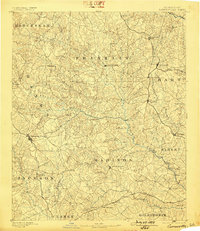
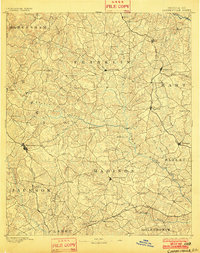
1891 · Carnesville
USGS Topo · 1:125,000
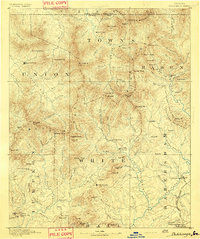
1892 · Dahlonega
USGS Topo · 1:125,000
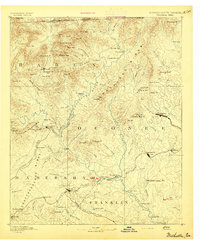
1892 · Walhalla
USGS Topo · 1:125,000
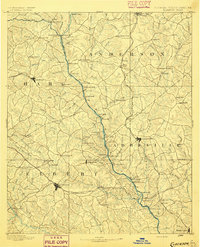
1893 · Elberton
USGS Topo · 1:125,000
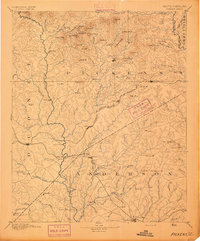
1894 · Pickens
USGS Topo · 1:125,000
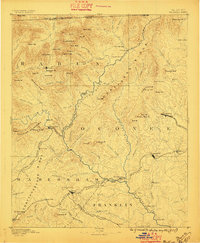
1896 · Walhalla
USGS Topo · 1:125,000