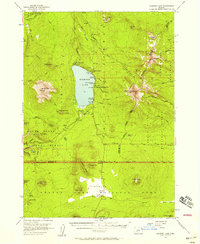
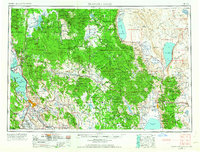
1956 Map of Diamond Lake
USGS Topo · Published 1958About this map
Diamond Lake sits at the heart of this mid-century survey, surrounded by a complex network of forest camps and conservation infrastructure. The map documents the recreational and administrative development of the high Cascades, featuring the State Fish Hatchery and the Diamond Lake Guard Sta alongside numerous seasonal sites like White Fir Forest Camp and Two Bear Cr Forest Camp. To the south, the dramatic volcanic landscape of Crater Lake National Park begins, marked by the distinctive Pumice Desert and a series of cinder cones such as Desert Cone and Red Cone. High peaks like Mt Thielsen and Mt Bailey define the skyline, while the Skyline Trail and Tipsoo Trail suggest the early routes of mountain transit. The convergence of four major administrative units—the Umpqua, Rogue River, and Deschutes National Forests—highlights the region's importance for resource management and preservation.
Find a feature on this map
62 named features on this map. Tap any name to fly to it.
Don’t see what you’re looking for? This feature index may not catch every label — zoom into the map to look around manually.
Map Details
Editions of this 1956 Diamond Lake Map
3 editions found
Other maps of this area
1889 · Klamath
USGS Topo · 1:250,000
1891 · Ashland
USGS Topo · 1:250,000
1893 · Ashland
USGS Topo · 1:250,000
1894 · Klamath
USGS Topo · 1:250,000
1897 · Ashland
USGS Topo · 1:250,000
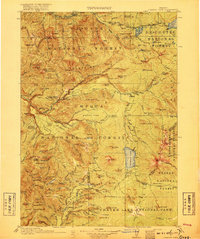
1917 · Diamond Lake
USGS Topo · 1:125,000
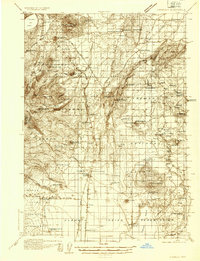
1935 · Chemult
USGS Topo · 1:96,000
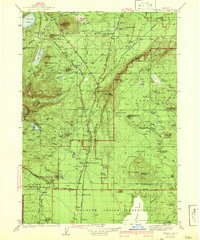
1941 · Chemult
USGS Topo · 1:125,000
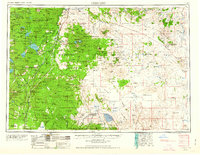
1955 · Crescent
USGS Topo · 1:250,000
1955 · Klamath Falls
USGS Topo · 1:250,000