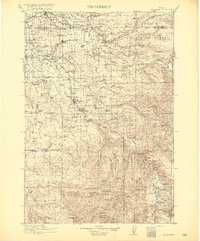
1916 Map of Estacada
USGS Topo · Published 1916About this map
The Clackamas River and Sandy River define this era of industrial and agricultural expansion in the foothills of the Cascades. The Portland Railway Light & Power Co line serves as a primary artery, connecting timber and power interests at Cazadero and Faraday with the growing northern settlements. River-based commerce is evident through the River Mill and the infrastructure of the Intake Portland Waterworks, while river crossings rely on the C. Murray Ferry and Feldrheimer Ferry.
Find a feature on this map
98 named features on this map. Tap any name to fly to it.
Don’t see what you’re looking for? This feature index may not catch every label — zoom into the map to look around manually.
Map Details
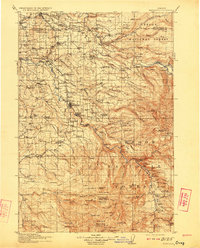
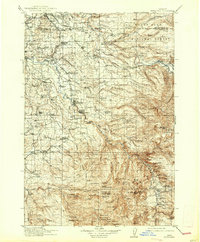
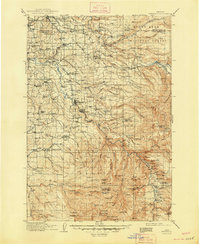
Editions of this 1916 Estacada Map
5 editions found
Other maps of this area
1897 · Portland
USGS Topo · 1:62,500
1905 · Portland
USGS Topo · 1:62,500
1911 · Boring
USGS Topo · 1:48,000
1914 · Boring
USGS Topo · 1:62,500
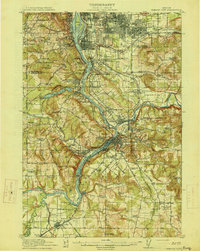
1914 · Oregon City
USGS Topo · 1:62,500
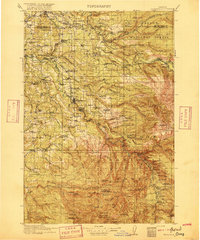
1916 · Estacada
USGS Topo · 1:125,000
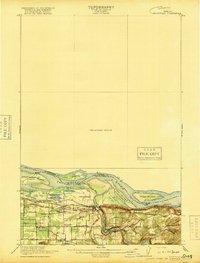
1918 · Troutdale
USGS Topo · 1:62,500
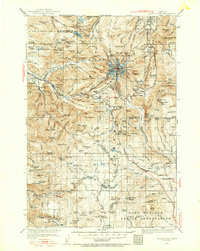
1924 · Mount Hood
USGS Topo · 1:125,000
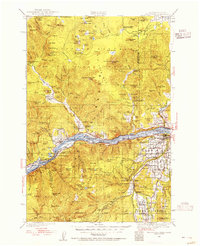
1926 · Hood River
USGS Topo · 1:125,000
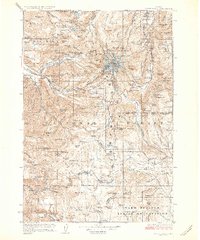
1927 · Mount Hood
USGS Topo · 1:125,000