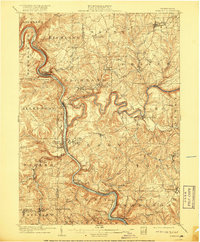
1908 Map of Foxburg
USGS Topo · Published 1917About this map
The Allegheny River and Clarion River carve deep, winding channels through this segment of Western Pennsylvania, defining the industrial and social boundaries of the early twentieth century. This survey highlights the complex intersection of river transport and rail, with the Baltimore and Ohio and Pennsylvania railroads following the narrow river benches to serve coal and iron interests. Evidence of the region’s extractive history is visible in the Blue Goose Mine and Eagle Mine, as well as the naming of the Canoe Furnace settlement.
Find a feature on this map
83 named features on this map. Tap any name to fly to it.
Don’t see what you’re looking for? This feature index may not catch every label — zoom into the map to look around manually.
Map Details
Editions of this 1908 Foxburg Map
5 editions found
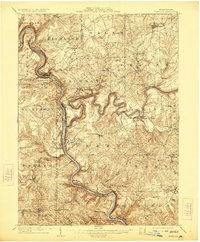
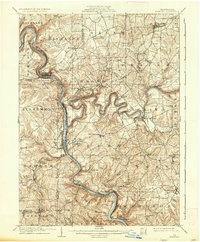
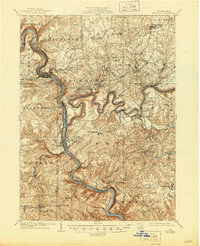
Other maps of this area
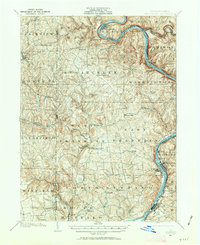
1900 · Kittanning
USGS Topo · 1:62,500
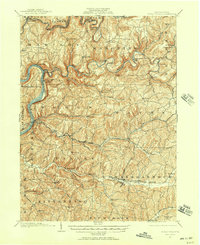
1901 · Rural Valley
USGS Topo · 1:62,500
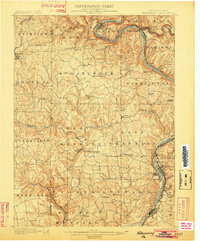
1902 · Kittanning
USGS Topo · 1:62,500
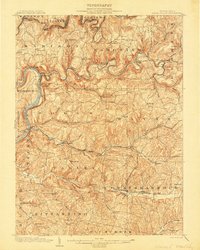
1903 · Rural Valley
USGS Topo · 1:62,500
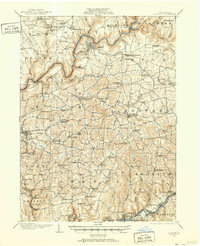
1906 · Clarion
USGS Topo · 1:62,500
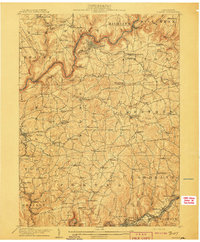
1907 · Clarion
USGS Topo · 1:62,500
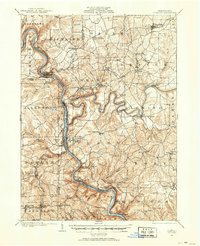
1907 · Foxburg
USGS Topo · 1:62,500
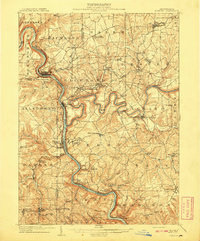
1908 · Foxburg
USGS Topo · 1:62,500
1909 · Franklin
USGS Topo · 1:62,500
1909 · Butler
USGS Topo · 1:62,500