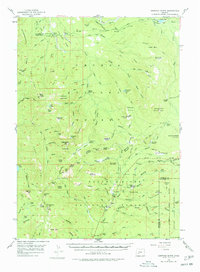
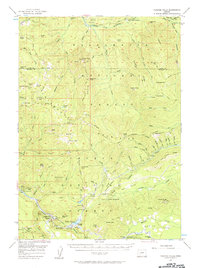
1956 Map of Garwood Butte
USGS Topo · Published 1978About this map
The Umpqua River and Rogue River headwaters converge in this high-altitude landscape during the mid-1950s. The region is defined by significant water management infrastructure, most notably the Clearwater Canal and Clearwater Trap Canal designed to harness the power of Watson Falls and Toketee Falls. These engineering works, alongside the Toketee Airstrip, reflect the mid-century industrial presence within the Umpqua National Forest.
Find a feature on this map
103 named features on this map. Tap any name to fly to it.
Don’t see what you’re looking for? This feature index may not catch every label — zoom into the map to look around manually.
Map Details
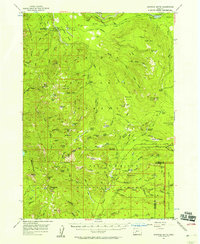
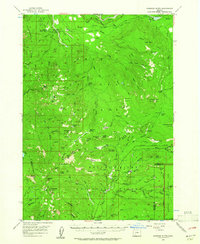
Editions of this 1956 Garwood Butte Map
3 editions found
Other maps of this area
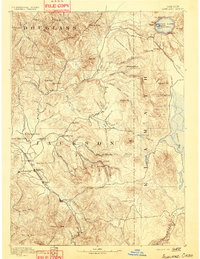
1891 · Ashland
USGS Topo · 1:250,000
1893 · Ashland
USGS Topo · 1:250,000
1897 · Ashland
USGS Topo · 1:250,000
1917 · Diamond Lake
USGS Topo · 1:125,000
1944 · Abbott Butte
USGS Topo · 1:62,500
1947 · Abbott Butte
USGS Topo · 1:62,500
1955 · Quartz Mtn
USGS Topo · 1:62,500
1955 · Illahee Rock
USGS Topo · 1:62,500
1955 · Medford
USGS Topo · 1:250,000
1956 · Toketee Falls
USGS Topo · 1:62,500