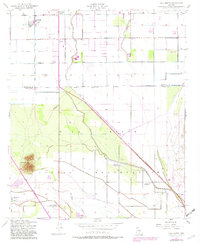
1952 Map of Gila Butte
USGS Topo · Published 1962About this map
The Gila River Indian Reservation dominates this 1950s landscape, where the Gila River provides a lifeline for desert agriculture. This map captures a pivotal moment of irrigation development in Pinal and Maricopa counties, showing the intricate network of the Consolidated Canal, Eastern Canal, and the East Branch. The infrastructure of the Southern Pacific railroad parallels the river, connecting small settlements and rail stops like Ocotillo, Serape, and Stotonic. Educational and community hubs such as St Peters Mission Sch and the Santan Day Sch are clearly marked, alongside the prominent landmark of Gila Butte. The transition from rural homesteading to organized irrigation is visible through the grid of roads like Rittenhouse Road and Hunt Highway, which cut through the open desert terrain.
Find a feature on this map
24 named features on this map. Tap any name to fly to it.
Don’t see what you’re looking for? This feature index may not catch every label — zoom into the map to look around manually.
Map Details
Editions of this 1952 Gila Butte Map
4 editions found
Other maps of this area
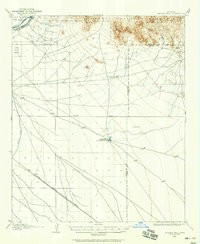
1904 · Desert Well
USGS Topo · 1:62,500
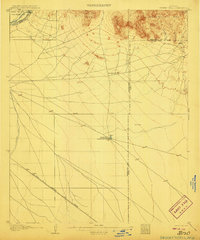
1906 · Desert Well
USGS Topo · 1:62,500
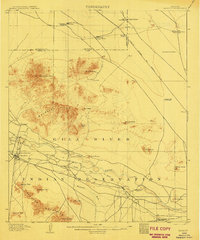
1907 · Sacaton
USGS Topo · 1:62,500
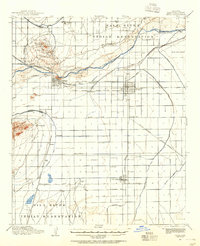
1913 · Mesa
USGS Topo · 1:62,500
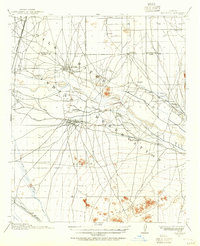
1914 · Gila Butte
USGS Topo · 1:62,500
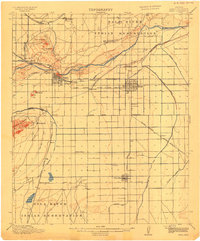
1915 · Mesa
USGS Topo · 1:62,500
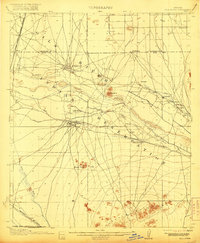
1917 · Gila Butte
USGS Topo · 1:62,500
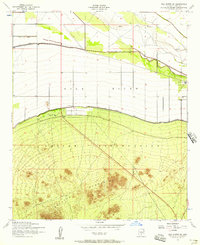
1952 · Gila Butte SE
USGS Topo · 1:24,000
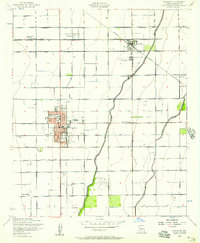
1952 · Chandler
USGS Topo · 1:24,000
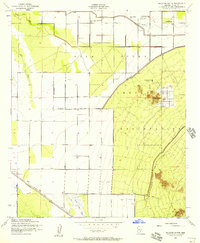
1952 · Sacaton Butte
USGS Topo · 1:24,000