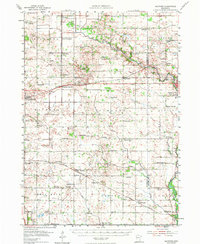
1954 Map of Hayward
USGS Topo · Published 1973About this map
Agricultural life in southern Minnesota is defined here by a dense grid of country schools and rural churches connected by the Chicago Milwaukee St Paul and Pacific and Illinois Central railroads. The landscape transitions from the developed outskirts of Austin and Austin Acres in the east to the wetlands of the Riceland and Moscow townships. A significant concentration of community landmarks, such as Trondhjem Ch and the Bohemian Cem, reflects the ethnic settlement patterns of Freeborn and Mower Counties during the mid-1950s.
Find a feature on this map
85 named features on this map. Tap any name to fly to it.
Don’t see what you’re looking for? This feature index may not catch every label — zoom into the map to look around manually.
Map Details
Editions of this 1954 Hayward Map
2 editions found
Other maps of this area
1954 · Albert Lea
USGS Topo · 1:62,500
1954 · Hayward
USGS Topo · 1:62,500
1954 · Austin
USGS Topo · 1:62,500
1954 · Mason City
USGS Topo · 1:250,000
1957 · Mason City
USGS Topo · 1:250,000
1958 · Mason City
USGS Topo · 1:250,000
1966 · Waltham
USGS Topo · 1:24,000
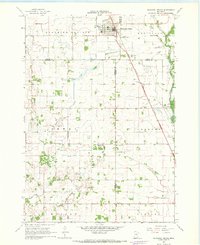
1967 · Blooming Prairie
USGS Topo · 1:24,000
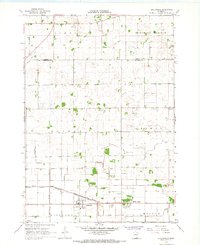
1967 · Hollandale
USGS Topo · 1:24,000
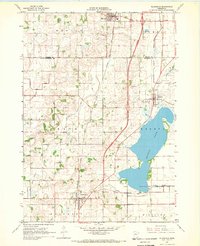
1967 · Ellendale
USGS Topo · 1:24,000