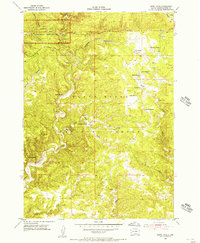
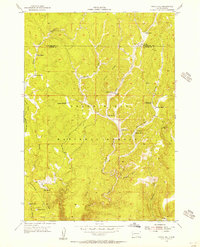
1955 Map of Jewel Cave
USGS Topo · Published 1956About this map
Jewel Cave National Monument and the surrounding high limestone plateaus of the Black Hills National Forest anchor this mid-century topographic record. The landscape is defined by a dense network of dry canyons, including the winding Hell Canyon and Lithograph Canyon, where water sources like Lithograph Spring and McKenna Spring were vital for the scattered cattle operations of the day. Settlement is sparse and primarily ranch-based, evidenced by the Morrison Ranch, Dunbar Ranch, and Ventling Ranch. This survey, conducted with the assistance of the Atomic Energy Commission, also notes specialized mineral extraction at the King Tut Mine and Stapp Quarry, alongside the rural Bull Flats Sch, providing a clear view of the mid-1950s ranching and mining infrastructure in Custer County.
Find a feature on this map
30 named features on this map. Tap any name to fly to it.
Don’t see what you’re looking for? This feature index may not catch every label — zoom into the map to look around manually.
Map Details
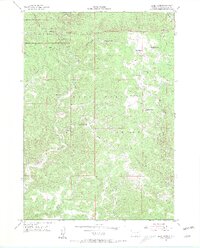
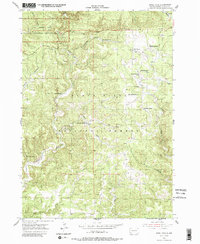
Editions of this 1955 Jewel Cave Map
3 editions found
Other maps of this area
1896 · Harney Peak
USGS Topo · 1:125,000
1901 · Harney Peak
USGS Topo · 1:125,000
1954 · Fourmile
USGS Topo · 1:24,000
1954 · Berne
USGS Topo · 1:24,000
1954 · Jewel Cave SE
USGS Topo · 1:24,000
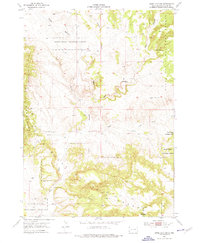
1954 · Jewel Cave SW
USGS Topo · 1:24,000
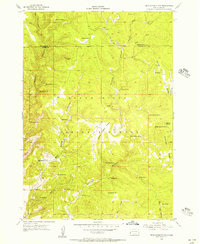
1955 · Dead Horse Flats
USGS Topo · 1:24,000
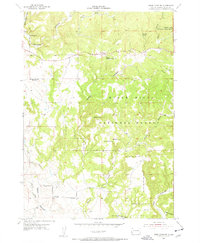
1955 · Jewel Cave NW
USGS Topo · 1:24,000
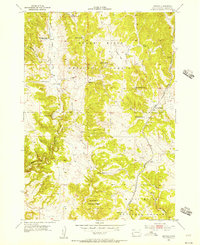
1955 · Argyle
USGS Topo · 1:24,000
1955 · Signal Hill
USGS Topo · 1:24,000