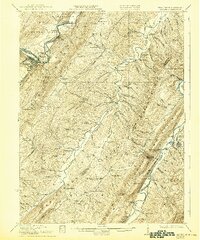
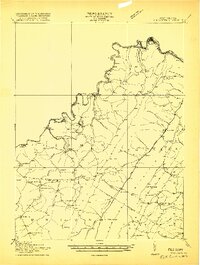
1922 Map of Keyser
USGS Topo · Published 1943About this map
Keyser and Romney anchor this topographic portrait of the Potomac highlands during the transition into the early twentieth century. The terrain is defined by the sharp, parallel ridges of Knobly Mountain and Mill Creek Mountain, which forced settlement and transport into narrow corridors like the valley of Patterson Creek. This landscape supported a dense network of rural infrastructure, including a remarkable concentration of one-room schools such as Red Star School, Pancake School, and Beaver Run School. Along the North Branch Potomac River, industrial activity is evidenced by the Baltimore and Ohio Railroad passing through McCool and Dawson. The map also captures several vital community centers of the era, from the milling hub at Reeses Mill to the ecclesiastical sites of Trinity Church and Bethesda Church.
Find a feature on this map
66 named features on this map. Tap any name to fly to it.
Don’t see what you’re looking for? This feature index may not catch every label — zoom into the map to look around manually.
Map Details
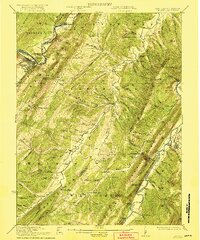
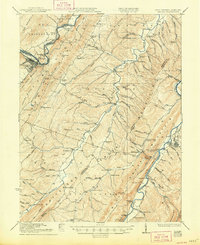
Editions of this 1922 Keyser Map
3 editions found
Other maps of this area
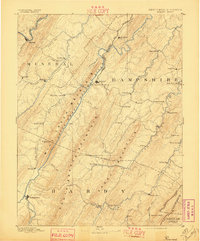
1891 · Romney
USGS Topo · 1:125,000
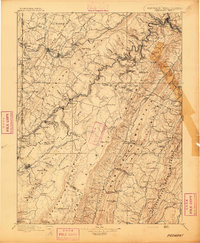
1895 · Piedmont
USGS Topo · 1:125,000
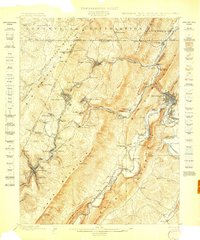
1898 · Frostburg
USGS Topo · 1:62,500
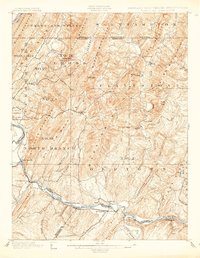
1899 · Flintstone
USGS Topo · 1:62,500
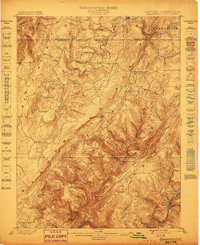
1899 · Grantsville
USGS Topo · 1:62,500
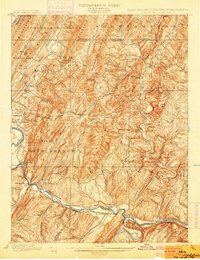
1900 · Flintstone
USGS Topo · 1:62,500
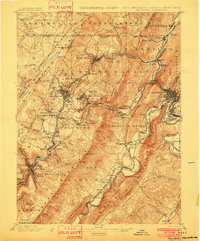
1901 · Frostburg
USGS Topo · 1:62,500
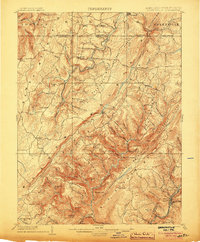
1904 · Grantsville
USGS Topo · 1:62,500
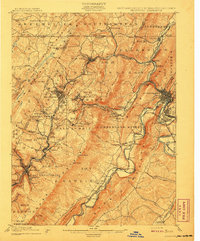
1908 · Frostburg
USGS Topo · 1:62,500
1919 · Elk Garden
USGS Topo · 1:48,000