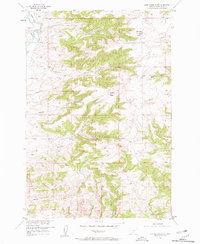
1957 Map of Lone Indian Butte
USGS Topo · Published 1960About this map
Lone Indian Butte stands as the primary landmark in this section of Sweet Grass County, where the high plains break into a complex system of drainage and erosion. Surveyed in the late 1950s as part of the Department of the Interior's Missouri River Basin project, the landscape is defined by the Sweet Grass Creek watershed and its numerous tributaries. Deeply carved coulees and gulches like Fahlgren and Norman Gulch illustrate the rugged topography characteristic of this part of Montana. The map also records distinctive topographic features such as the twin peaks of Squaw Teats and the broad depressions of Shanks Basin. Historically significant markers include the Base Line and several triangulation stations, including VABM Grey 5088 and VABM Lone Indian 5187, which provided the essential control points for this mid-century topographic study.
Find a feature on this map
16 named features on this map. Tap any name to fly to it.
Don’t see what you’re looking for? This feature index may not catch every label — zoom into the map to look around manually.
Map Details
Editions of this 1957 Lone Indian Butte Map
4 editions found
Other maps of this area
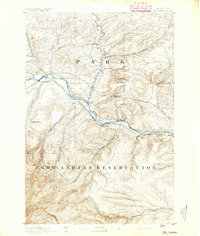
1891 · Big Timber
USGS Topo · 1:125,000
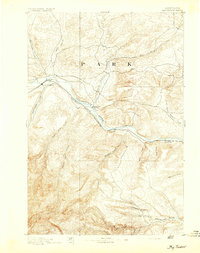
1893 · Big Timber
USGS Topo · 1:125,000
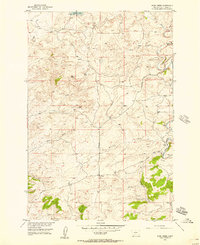
1954 · Ryan Creek
USGS Topo · 1:24,000
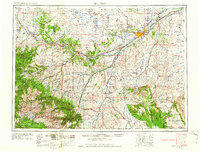
1954 · Billings
USGS Topo · 1:250,000
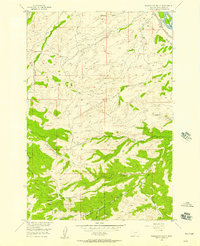
1955 · Packsaddle Butte
USGS Topo · 1:24,000
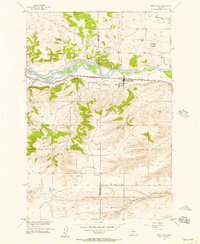
1955 · Reed Point
USGS Topo · 1:24,000
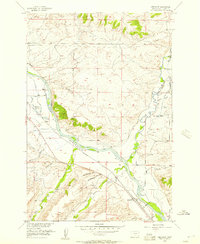
1955 · Greycliff
USGS Topo · 1:24,000
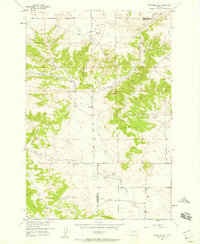
1955 · Stephens Hill
USGS Topo · 1:24,000
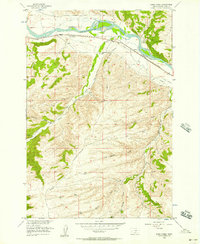
1956 · Work Creek
USGS Topo · 1:24,000
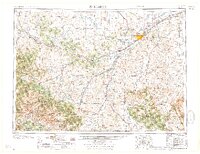
1957 · Billings
USGS Topo · 1:250,000