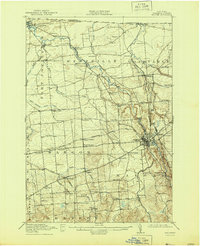
1917 Map of Malone
USGS Topo · Published 1944About this map
The Salmon River and its numerous tributaries, including Briggs Creek and Deer River, define the rural landscape of Franklin County just prior to the first World War. This territory, surveyed by Glenn S. Smith and T.F. Slaughter, shows a dense network of early 20th-century agrarian life, marked by a high concentration of local schools ranging from School No 1 to School No 18. The town of Malone serves as a significant regional hub, where the Rutland (Ogdensburg Division) meets the New York Central and Adirondack Division railroads at Malone Junction. This rail infrastructure was critical for the local economy, connecting smaller settlements like Westville, Constable, and North Bangor to larger markets. Notable local institutions, such as the County Almshouse, are clearly indicated, providing a detailed record of the social and civic geography of the era along the Canada-United States border.
Find a feature on this map
55 named features on this map. Tap any name to fly to it.
Don’t see what you’re looking for? This feature index may not catch every label — zoom into the map to look around manually.
Map Details
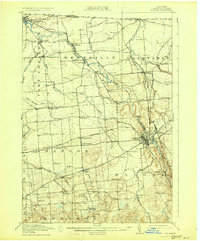
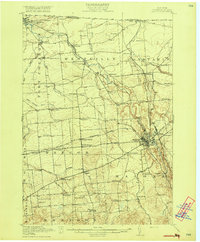
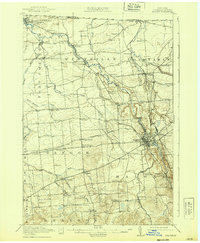
Editions of this 1917 Malone Map
5 editions found
Other maps of this area
1906 · Loon Lake
USGS Topo · 1:62,500
1908 · Loon Lake
USGS Topo · 1:62,500
1915 · Chateaugay
USGS Topo · 1:62,500
1915 · Malone
USGS Topo · 1:62,500
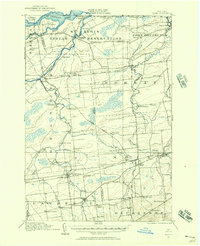
1915 · Moira
USGS Topo · 1:62,500
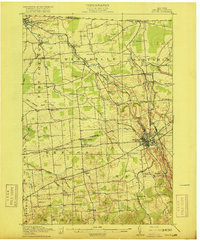
1917 · Malone
USGS Topo · 1:62,500
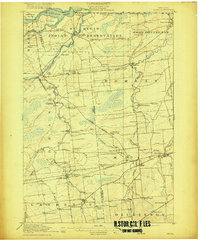
1917 · Moira
USGS Topo · 1:62,500
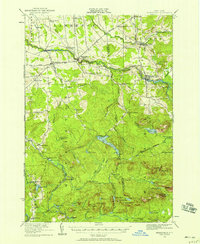
1919 · Nicholville
USGS Topo · 1:62,500
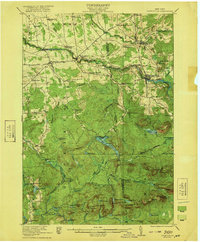
1921 · Nicholville
USGS Topo · 1:62,500
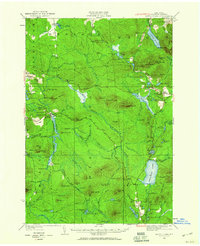
1921 · Santa Clara
USGS Topo · 1:62,500