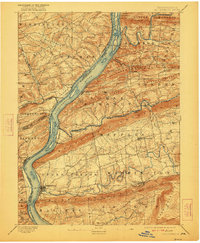
1893 Map of Millersburg
USGS Topo · Published 1922About this map
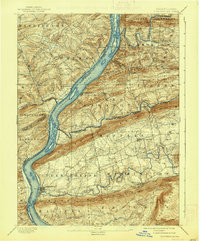
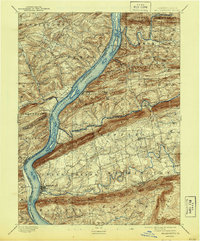
The Susquehanna River dominates this late-nineteenth-century landscape, serving as a primary corridor for both river and rail transport through Dauphin and Northumberland counties. Parallel to the river’s eastern bank, the Pennsylvania Canal and the Northern Central R. R. illustrate the transition from water-based freight to the speed of the iron horse. The topography is defined by the sharp, linear ridges of Berry Mountain and Mahantango Mountain, which constrain the river valley and guide the placement of settlements. Millersburg and Elizabethville emerge as significant hubs within this terrain, while smaller communities like McKee Half Falls and Port Trevorton dot the shoreline. To the east, the Summit Branch R. R. carves through the gaps toward Loyalton, linking the agricultural valleys and mining interests of the interior to the main Susquehanna artery.
Find a feature on this map
56 named features on this map. Tap any name to fly to it.
Don’t see what you’re looking for? This feature index may not catch every label — zoom into the map to look around manually.
Map Details
Editions of this 1893 Millersburg Map
7 editions found
Other maps of this area
1892 · Lykens
USGS Topo · 1:62,500
1892 · Hummelstown
USGS Topo · 1:62,500
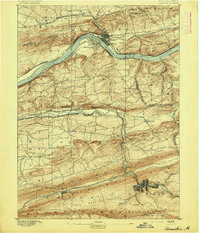
1892 · Shamokin
USGS Topo · 1:62,500
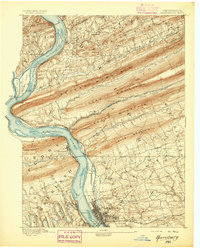
1892 · Harrisburg
USGS Topo · 1:62,500
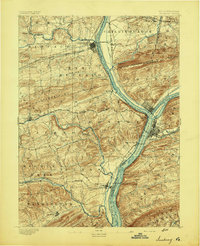
1893 · Sunbury
USGS Topo · 1:62,500
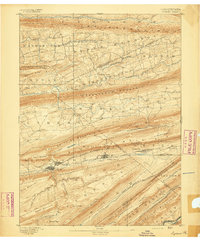
1893 · Lykens
USGS Topo · 1:62,500
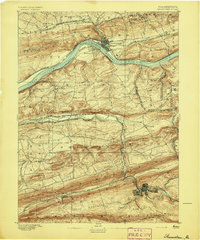
1893 · Shamokin
USGS Topo · 1:62,500
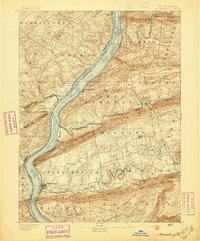
1893 · Millersburg
USGS Topo · 1:62,500
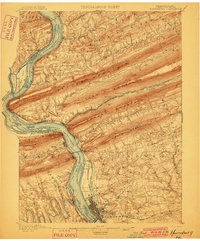
1899 · Harrisburg
USGS Topo · 1:62,500
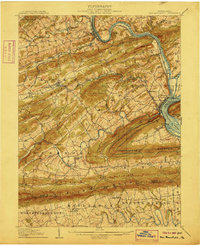
1907 · New Bloomfield
USGS Topo · 1:62,500