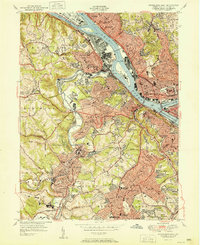
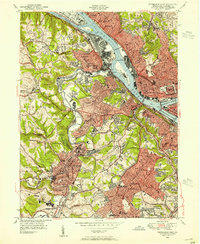
1951 Map of Pittsburgh West
USGS Topo · Published 1951About this map
The confluence of the Allegheny River and Monongahela River forms the Ohio River at the heart of this post-war survey, anchoring a landscape of heavy industry and dense residential expansion. Along the river banks, the Pittsburgh and Lake Erie and Pennsylvania railroads service the manufacturing hubs of McKees Rocks and Esplen, while the McKees Rocks Bridge and West End Bridge connect the river's north and south shores. Beyond the industrial corridors, the terrain rises into the boroughs of Dormont, Mount Lebanon, and Crafton, which are characterized by a tight network of schools and churches.
Find a feature on this map
96 named features on this map. Tap any name to fly to it.
Don’t see what you’re looking for? This feature index may not catch every label — zoom into the map to look around manually.
Map Details
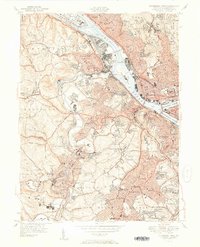
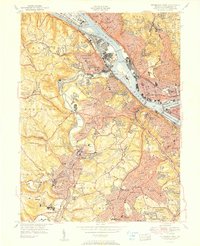
Editions of this 1951 Pittsburgh West Map
3 editions found
Other maps of this area
1904 · Mc Keesport
USGS Topo · 1:62,500
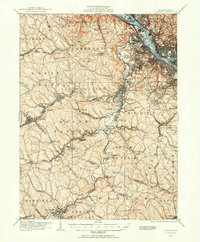
1904 · Carnegie
USGS Topo · 1:62,500
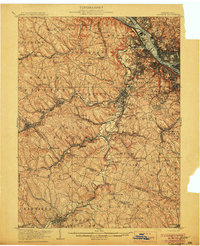
1906 · Carnegie
USGS Topo · 1:62,500
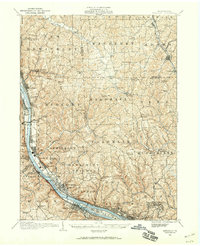
1906 · Sewickley
USGS Topo · 1:62,500
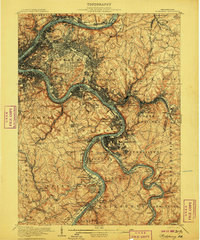
1907 · Pittsburg
USGS Topo · 1:62,500
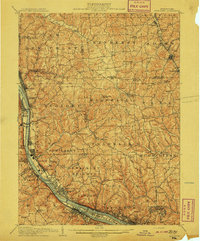
1908 · Sewickley
USGS Topo · 1:62,500
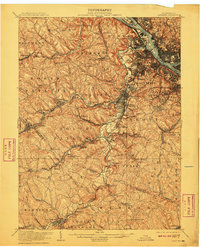
1908 · Carnegie
USGS Topo · 1:62,500
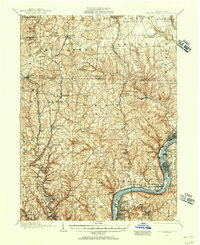
1908 · New Kensington
USGS Topo · 1:62,500
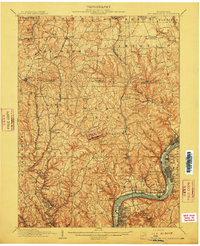
1910 · New Kensington
USGS Topo · 1:62,500
1948 · Pittsburgh West
USGS Topo · 1:24,000