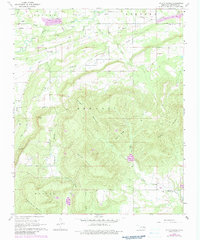
1968 Map of Potato Peaks
USGS Topo · Published 1983About this map
Latham and the small settlements of Bordeaux and Kennady anchor this survey of the Le Flore County uplands during the late 1960s. The landscape is defined by the sharp transition between industrial activity in the north and the high ridges of the south. Evidence of resource extraction is clear near the northern border, where a large Strip Mine and other mining operations follow the coal-bearing strata. To the south, the terrain rises steeply into Russell Mountain, Wolf Mountain, and the namesake Potato Peaks, cut by deep drainages like Wildhorse Hollow. For those researching family history, the map identifies local landmarks such as Long Prairie Cem and Dog Creek Cem. The drainage patterns of Brazil Creek and Red Oak Creek illustrate the natural corridors that influenced early settlement and road placement in this part of Oklahoma.
Find a feature on this map
31 named features on this map. Tap any name to fly to it.
Don’t see what you’re looking for? This feature index may not catch every label — zoom into the map to look around manually.
Map Details
Editions of this 1968 Potato Peaks Map
4 editions found
Other maps of this area
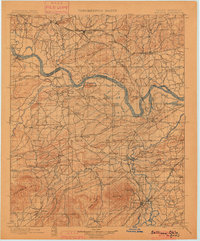
1900 · Sallisaw
USGS Topo · 1:125,000
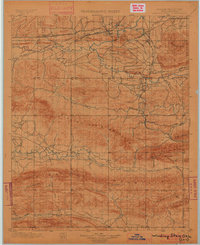
1900 · Winding Stair
USGS Topo · 1:125,000
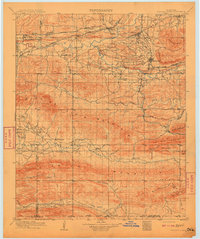
1909 · Winding Stair
USGS Topo · 1:125,000
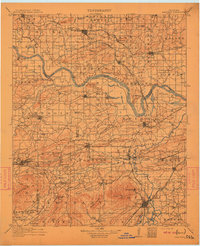
1911 · Sallisaw
USGS Topo · 1:125,000
1946 · Fort Smith
USGS Topo · 1:250,000
1950 · Mcalester
USGS Topo · 1:250,000
1959 · Heavener
USGS Topo · 1:62,500
1962 · McAlester
USGS Topo · 1:250,000
1965 · Fort Smith
USGS Topo · 1:250,000
1965 · McAlester
USGS Topo · 1:250,000